The Wild Blueberry Picking Map: Maine Barrens and Where the Public Can Pick
Where the public can pick wild Maine blueberries during the August harvest. The barrens, the public-access lands, and where to buy a real wood-handled rake.

Department
Heritage recipes, restaurants, craft beverages — the New England table.
The New England table is older than the country. Cod and corn fed the Plymouth colony before there was a Plymouth colony to speak of, and the recipes that survived three hundred winters are the ones with a reason to exist — they kept fishermen fed at sea, used what the soil and the bay actually produced, and held up a week in a barrel under a tarp. That’s the editorial filter for what shows up here.
We’re after the food that meant something. Boston Baked Beans cooked low all Saturday night because Sunday was the Sabbath. Brown bread steamed in a coffee can because the colonial hearth wasn’t an oven. Joe Froggers — the molasses and rum cookie out of Marblehead, designed to last weeks at sea — engineered for a problem nobody has anymore but worth keeping for the way they taste. The history isn’t decoration. It’s the reason the dish is shaped the way it is.
There’s a working kitchen behind everything we publish. Recipes get tested on weekday nights with a real oven, real pots, and the shopping list you’d actually use at a Stop & Shop or a Whole Foods. We tell you which substitutions hold up and which ones don’t. We tell you where the original calls for a half-pound of salt pork that you can’t find anymore and what to use instead. We don’t pretend that an iPhone-photo composition of arugula counts as a complete idea.
Heritage recipes — Joe Froggers, Boston Brown Bread, Indian Pudding, Boston Baked Beans, Switchel, Yankee Pot Roast, Pandowdy. The dishes that built the regional palate. Each one comes with the history that explains why it’s shaped the way it is, then a recipe you can actually run on a Tuesday.
Regional staples — the lobster roll done right, fried clams whole-belly versus strip, a working chowder that isn’t goopy, a bay-scallop preparation that respects the scallop. Steamers. Striper rolls. The seasonal seafood that defines a coastal summer if you live within driving distance of the water.
Bakery — the New England muffin tradition, the brown-bread-in-a-can defense, blueberry baking that uses Maine wild blueberries when you can get them and what to use when you can’t. Apple crisp the way it ought to be (more oats, less cake).
Pantry & drinks — homemade seasoning blends, hot buttered rum done the right way, the Ward 8 (Boston’s claim to a classic cocktail), and the case for keeping Vermont common crackers in the cupboard.
Yankee-Made eaters’ edition — the makers we recommend without commission obligations: Cabot, Jasper Hill, King Arthur, Maple Hills, Cellars at Jasper Hill. The dairy and grain operations that anchor the regional food economy.
We don’t write restaurant reviews of places we haven’t been. That’s Boston Magazine’s territory and they have on-the-ground critics paid to do it well. If we mention a restaurant by name, we either source the claim to a published reference or leave it out entirely. The same goes for “best of” lists assembled from internet research — they exist on every regional site that pays for content. We’d rather publish three honest recipes than thirty assembled from a content brief.
Every recipe published here has been run through a kitchen at least once. Where the recipe is in our 2015 archive — Joe Froggers, Boston Baked Beans, the brown bread, the bay scallops — the recipe came from family use. Where it’s a new addition, we note who wrote it, what tradition it draws from, and what the source is. If we adapted from a published cookbook, we credit the cookbook. If a Maine grandmother gave us the version we’re using, we say so by name when she’s signed off on it.
That’s the standard. Use what’s worth using. Skip the rest.
All entries
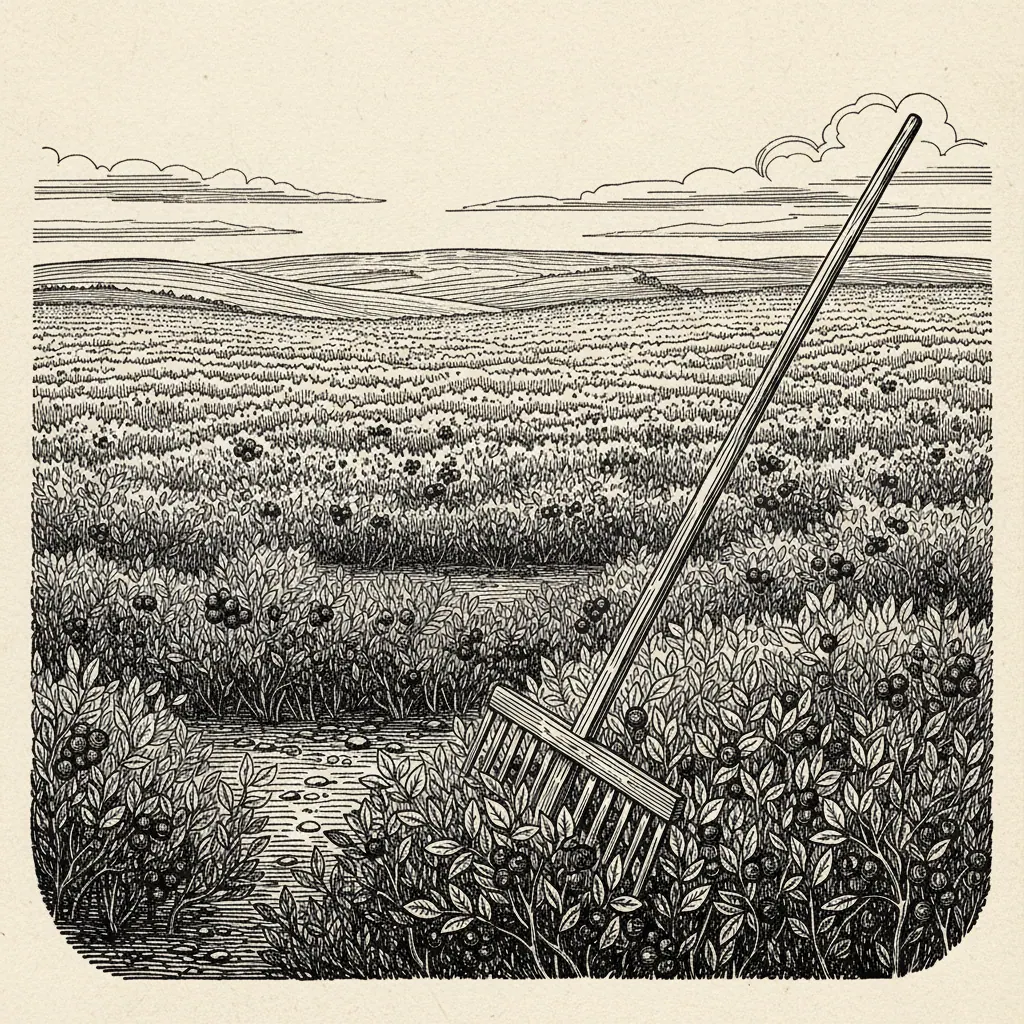
Where the public can pick wild Maine blueberries during the August harvest. The barrens, the public-access lands, and where to buy a real wood-handled rake.
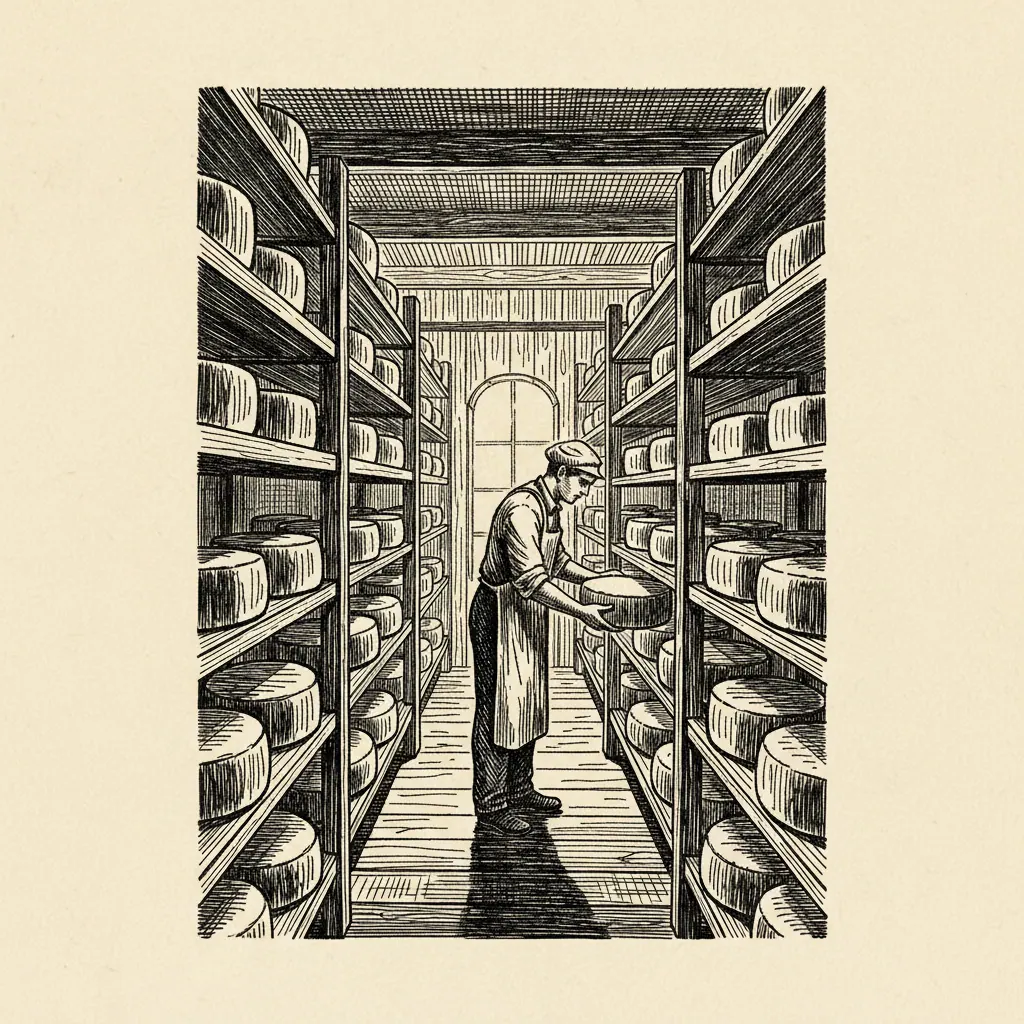
Twenty-five Vermont cheesemakers worth visiting, organized into a three-day driving tour with the cheeses that anchor each stop. Jasper Hill, Cabot, Shelburne.
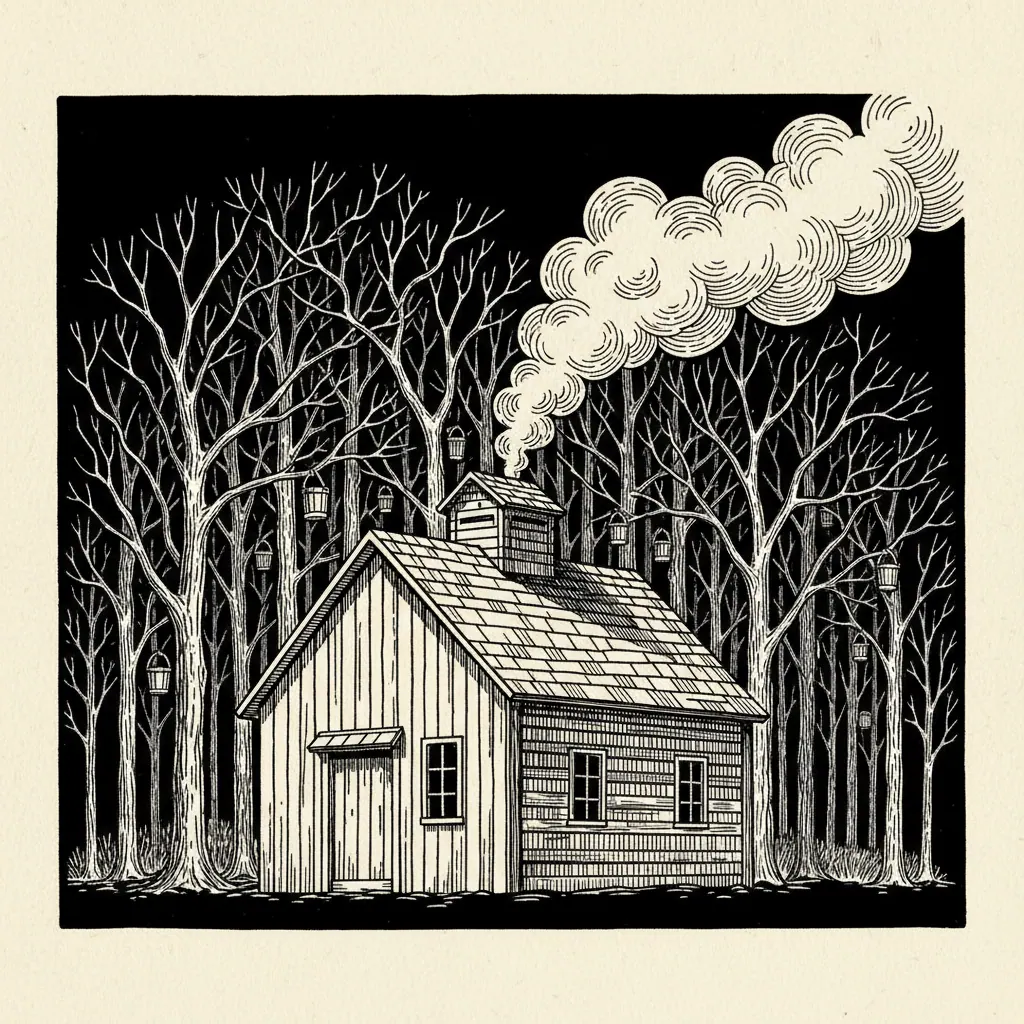
Every New England sugarhouse with a public open-house event. Vermont's fourth weekend of March, Maine Maple Sunday, the calendar by state.
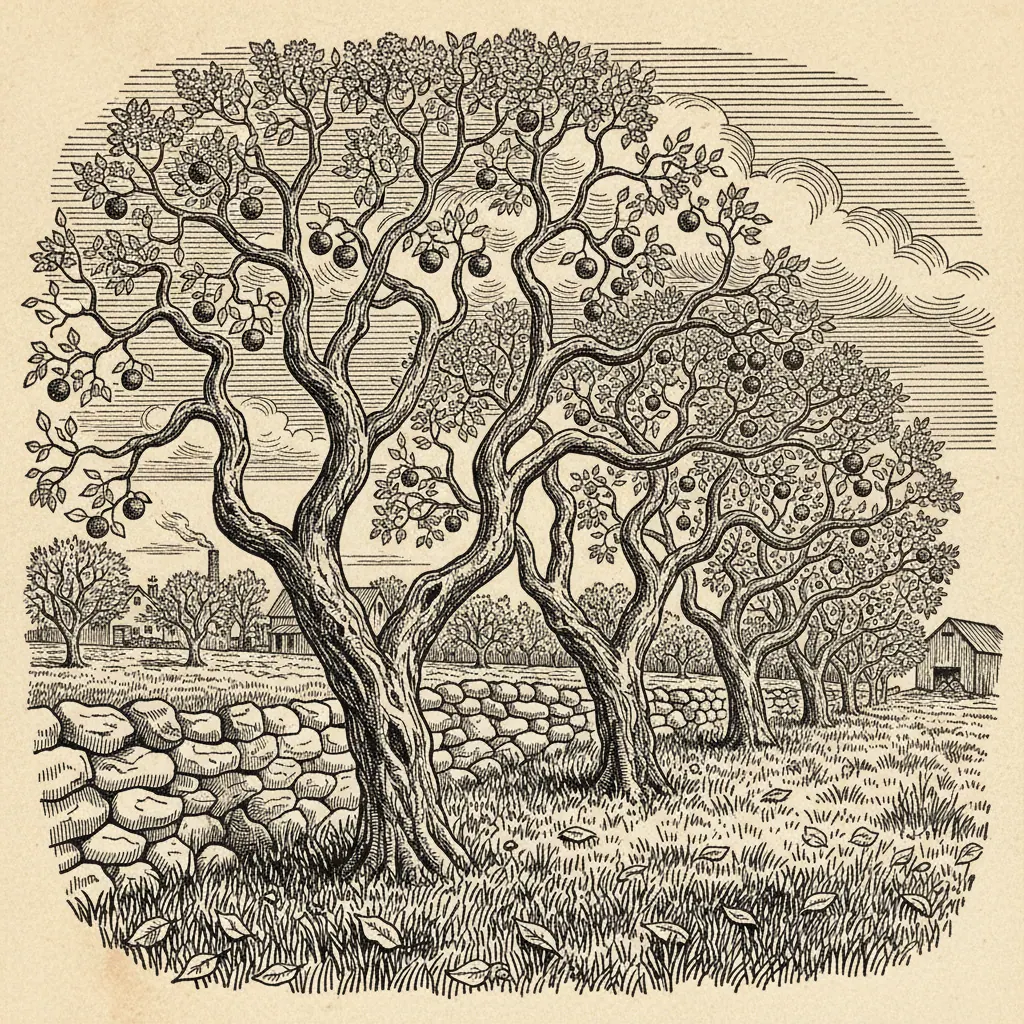
Ten verified New England orchards that specialize in heritage apple varieties — Tower Hill, Scott Farm, Gould Hill — and what to ask for at each.
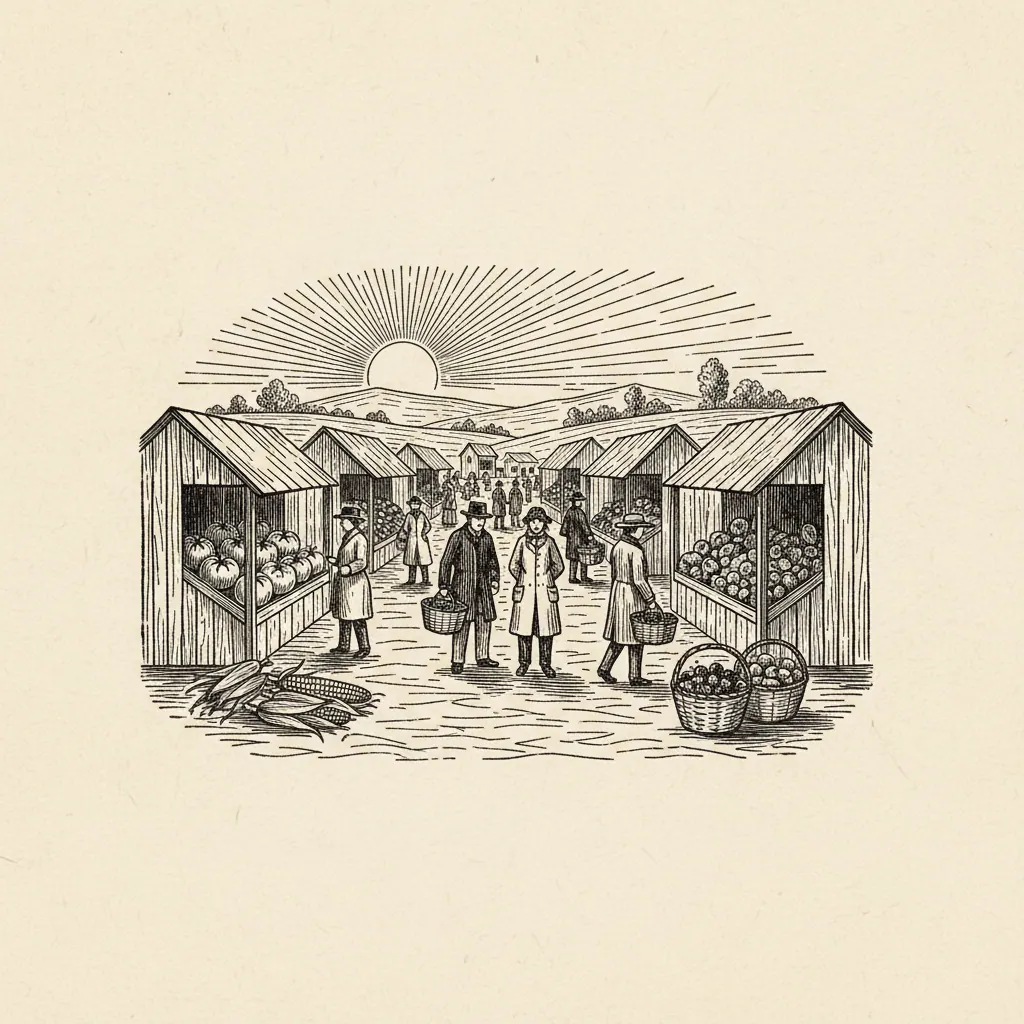
Eighty New England farmers' markets and their opening dates. Year-round options, seasonal markets, and which days each operates.
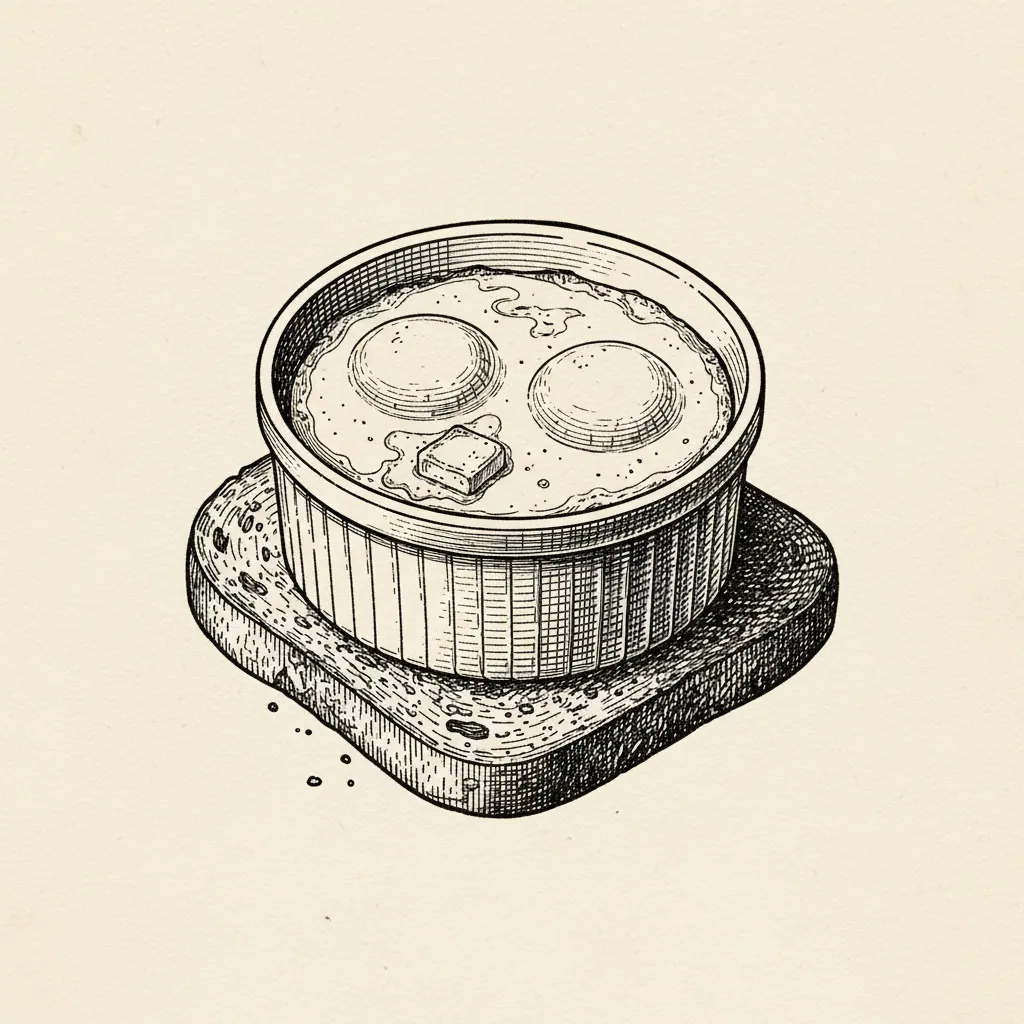
Eggs baked in a ramekin with cream and butter — the Boston hotel breakfast every grand inn served from 1890 to 1960 and almost nobody makes at home anymore.
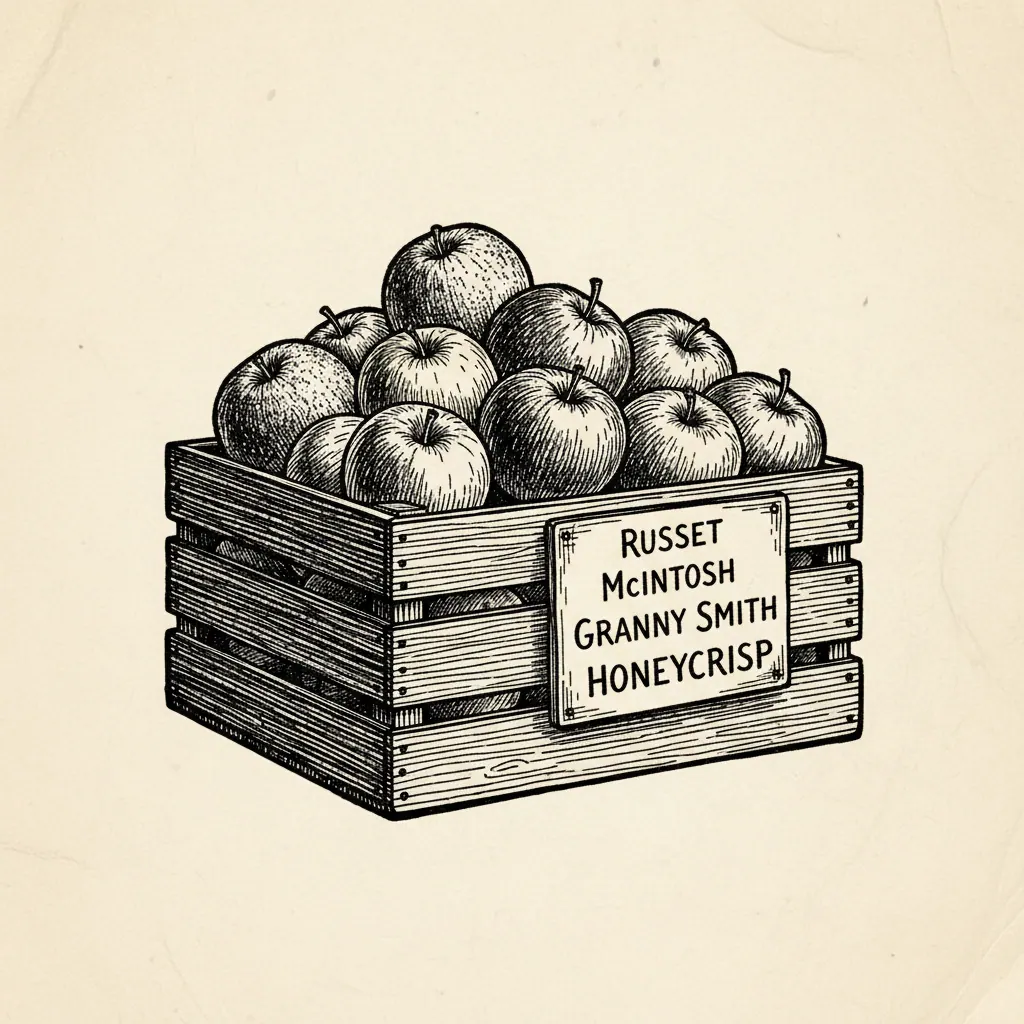
Thirty New England apple varieties — heritage and modern — with the drop calendar, eating-vs-pie-vs-cider sort, and the orchards that specialize in each.
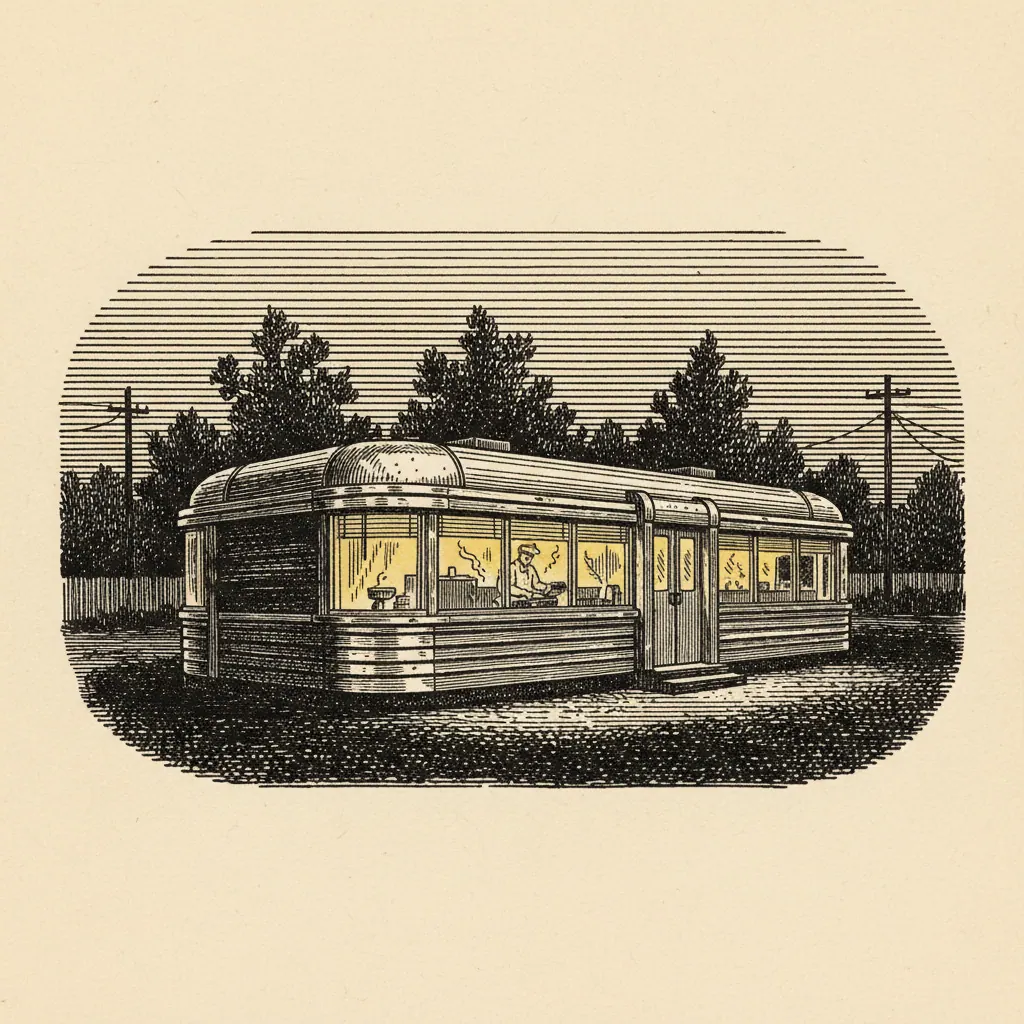
New England's diner survivors — mostly pre-1965 manufactured cars still serving real food, plus a few honest heirs. What to order at each, how to read the survivors' tells, and why the diner matters.
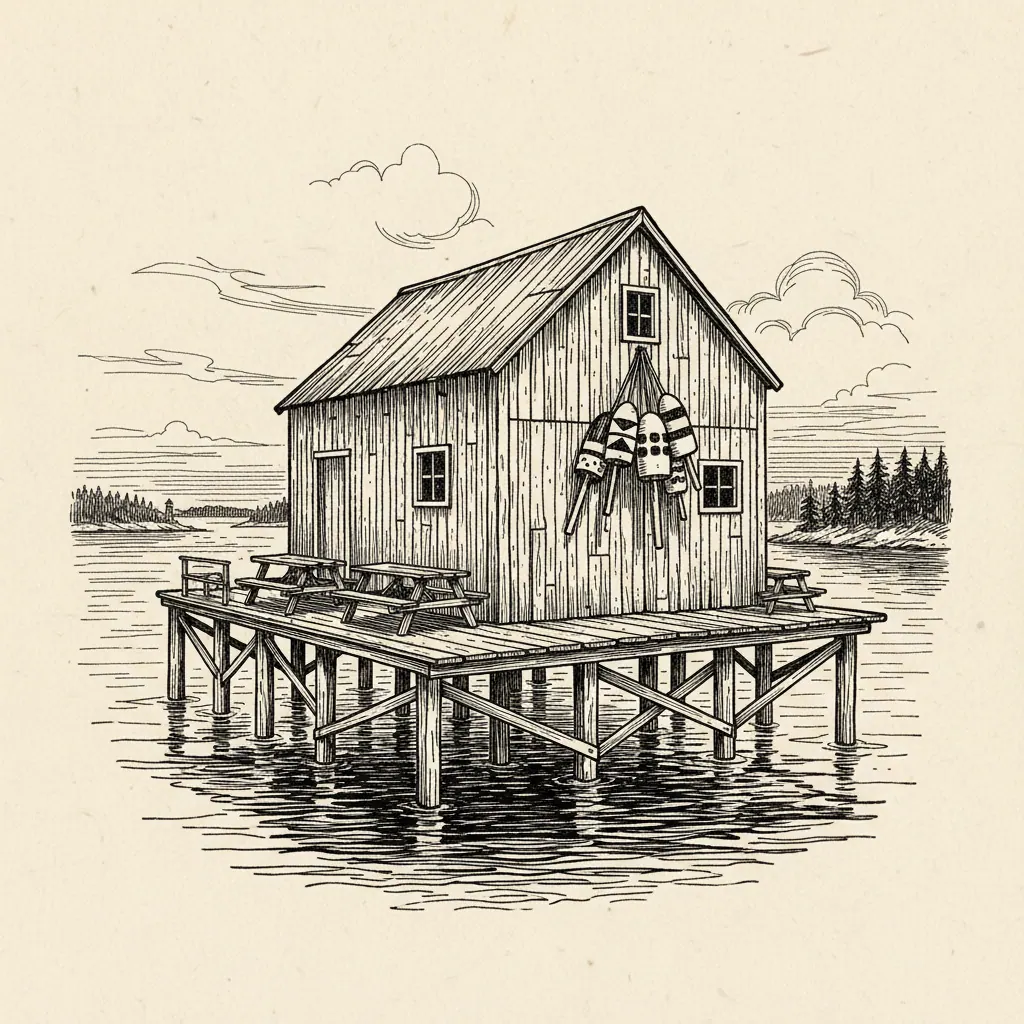
60+ named lobster shacks across all six New England states, with town, season, signature dish, and last-verified date. The working directory of the genre.
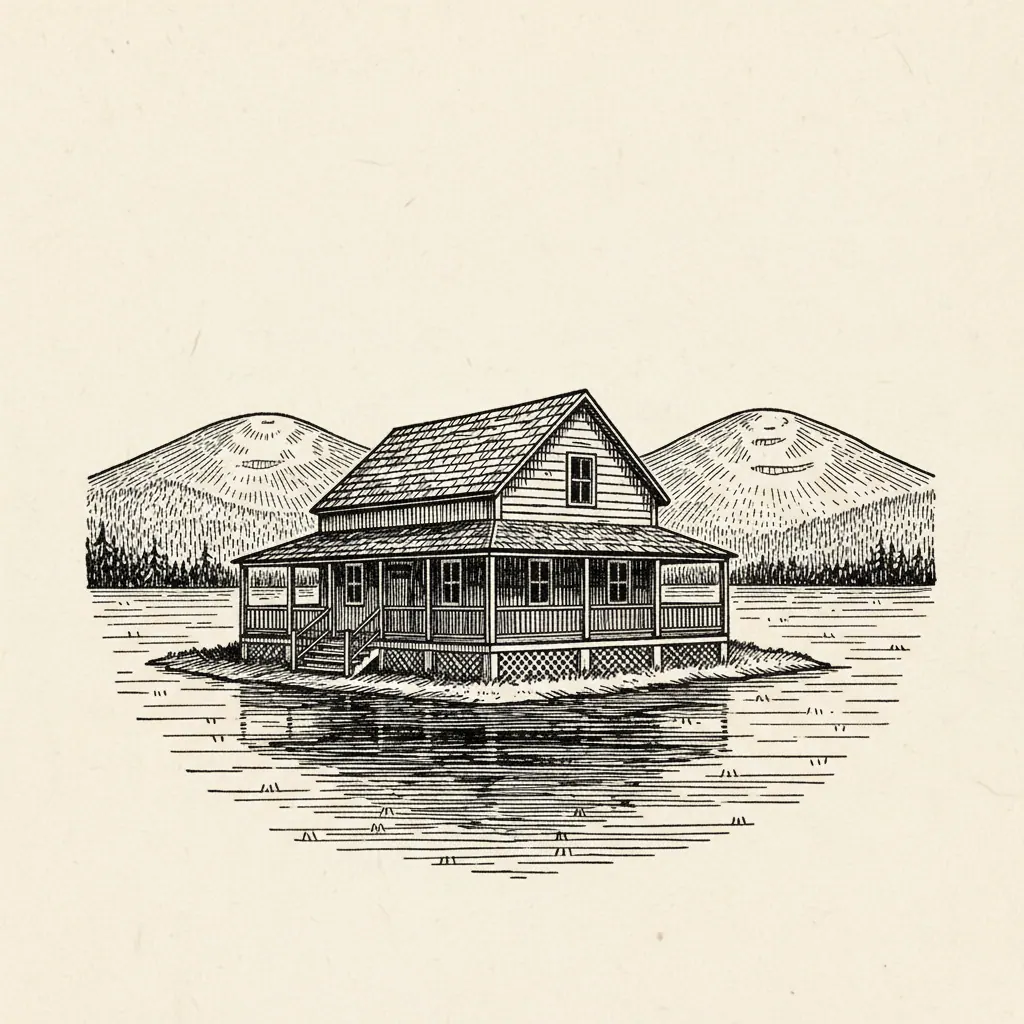
The popovers, the 1893 tea-house tradition, and the lawn-with-Bubbles-view dining that's the most-recommended Acadia activity that doesn't involve hiking.
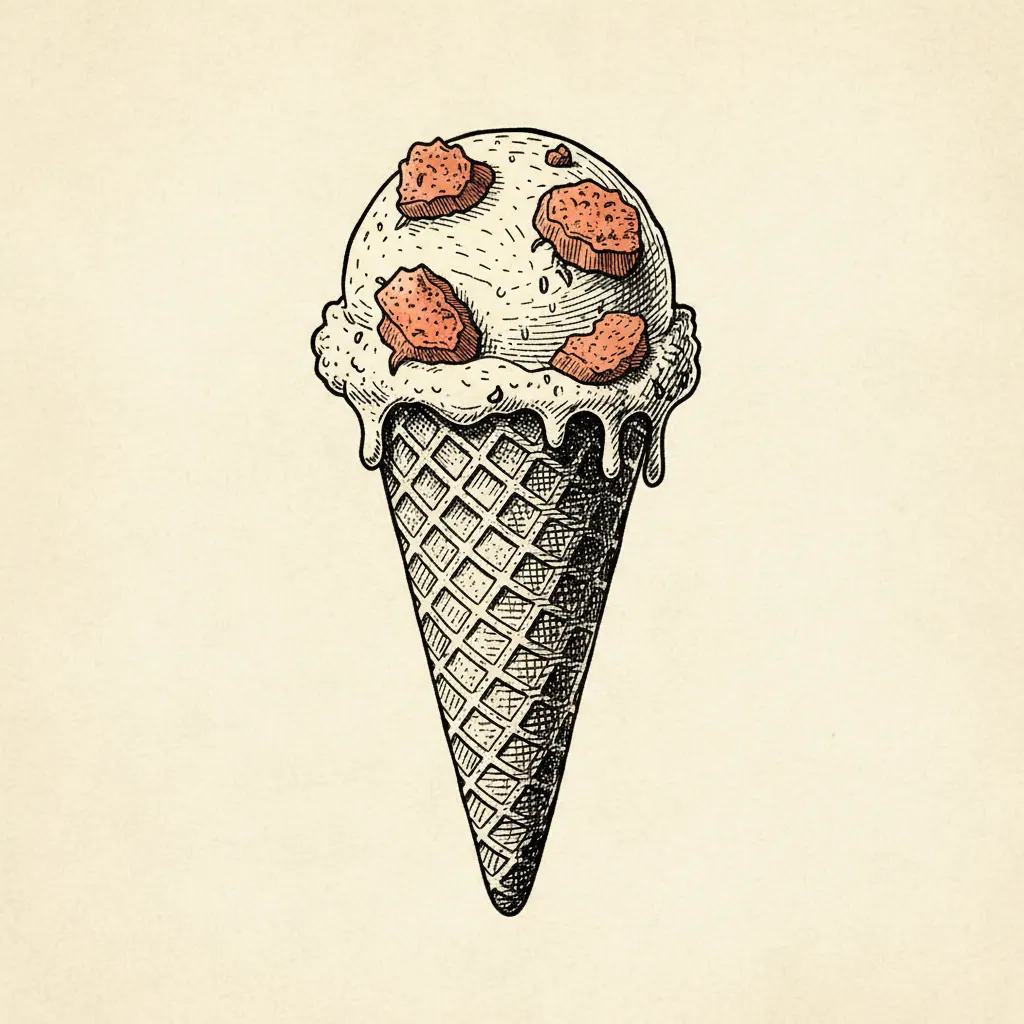
Yes, really. Lobster is high in glutamates and naturally sweet — the same flavor compounds vanilla amplifies. Where to try it, why it works, and the dairy-to-lobster ratio.
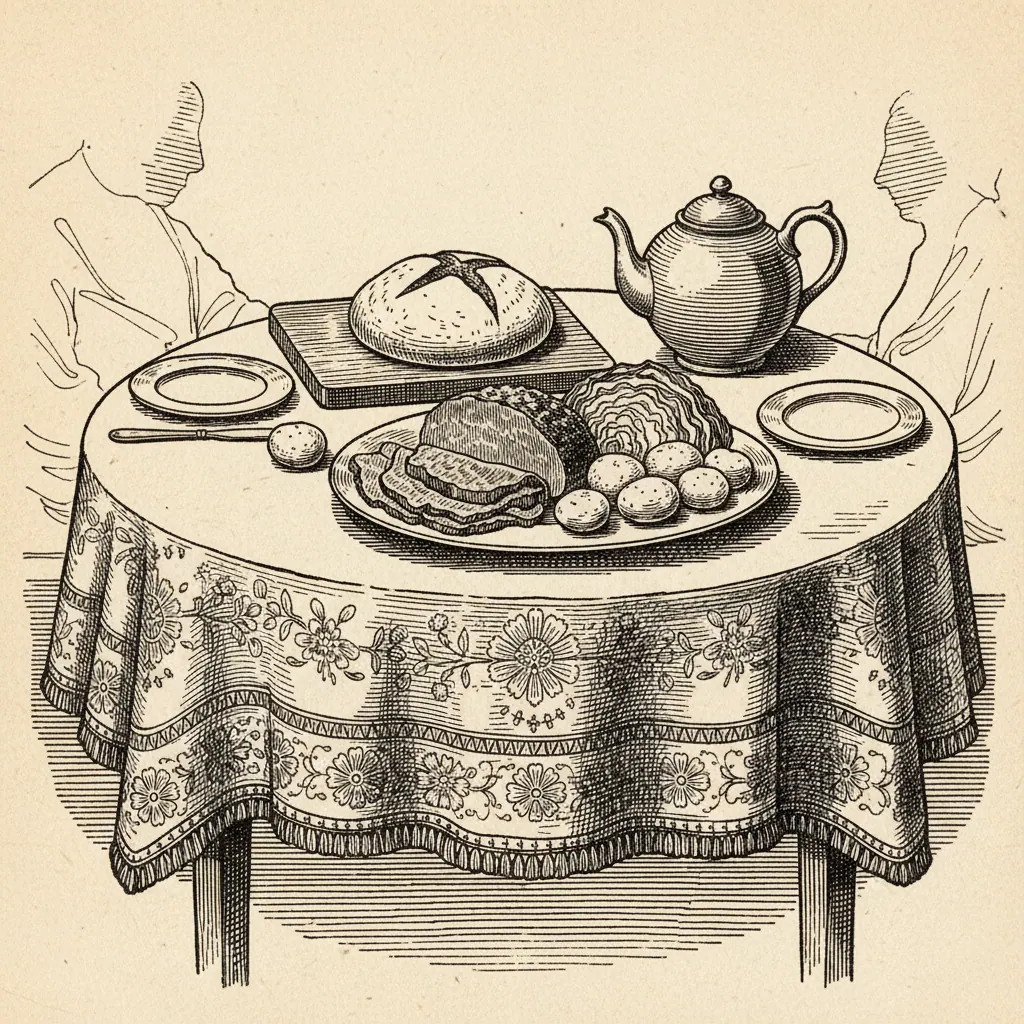
New Hampshire and Massachusetts are the two most Irish-American states in the country. Seven dishes that anchor the Boston Sunday-supper table, what's actually Irish, and where to eat the real version.
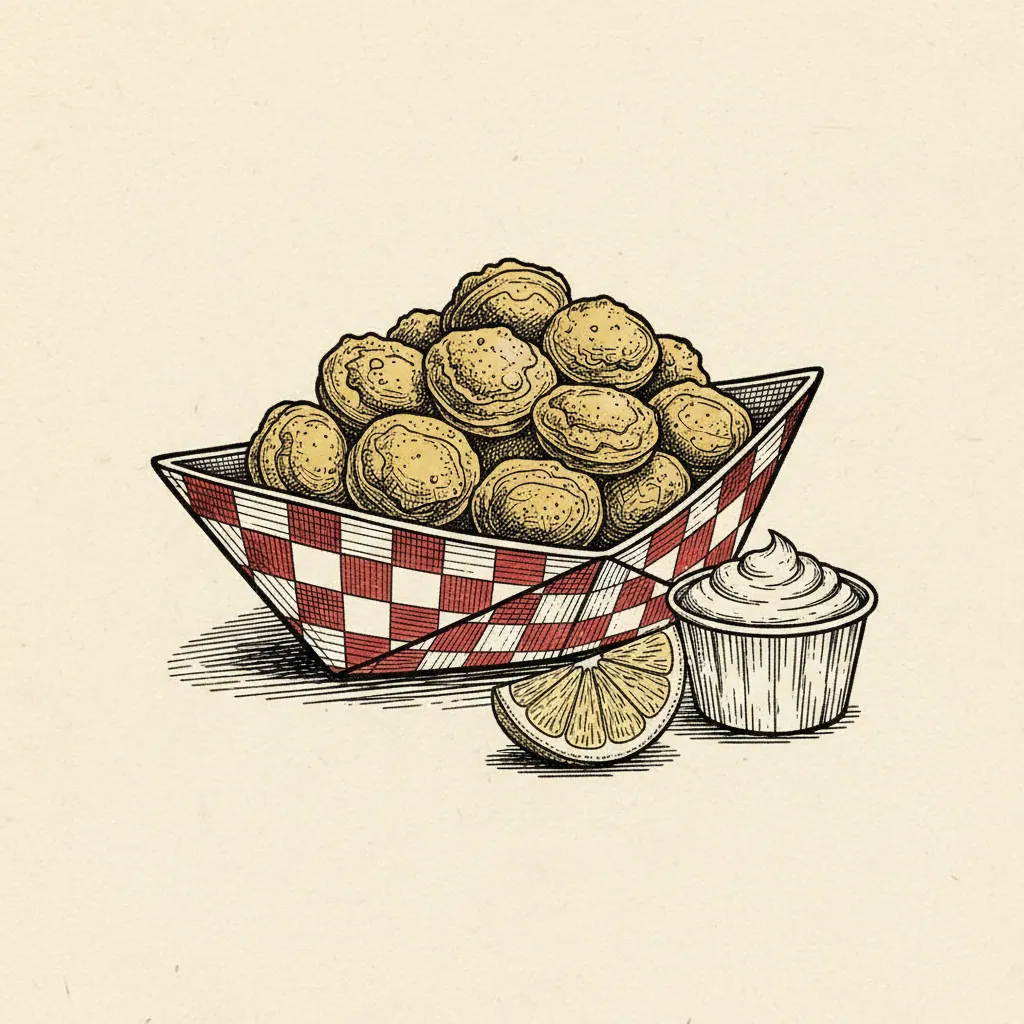
Why Ipswich clams are genetically the same as any other steamer but taste better. The Great Marsh, the Clam Box, and the FDA loophole that lets every Maine clam get the Ipswich label.
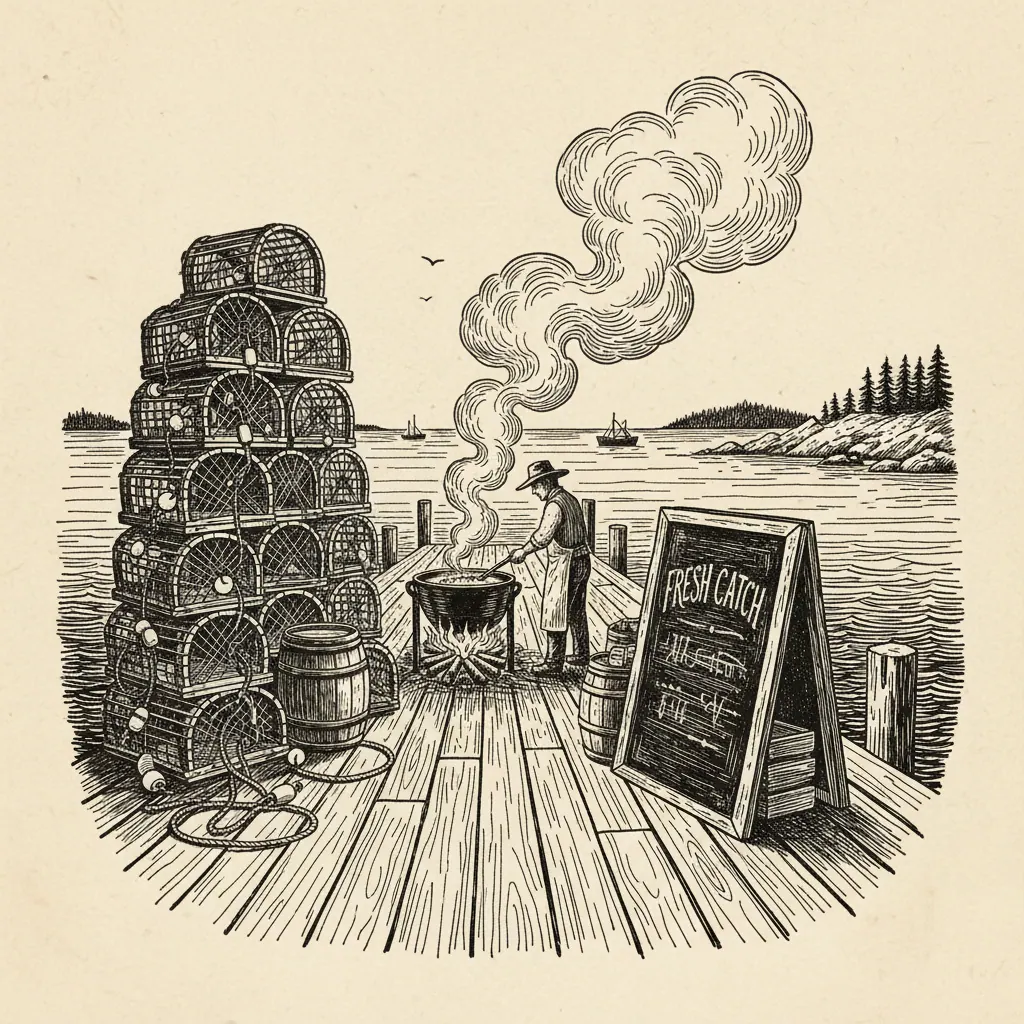
Twelve places that serve lobster in Bar Harbor, ranked by value, freshness, and the experience of eating lobster the way Mainers actually eat it.
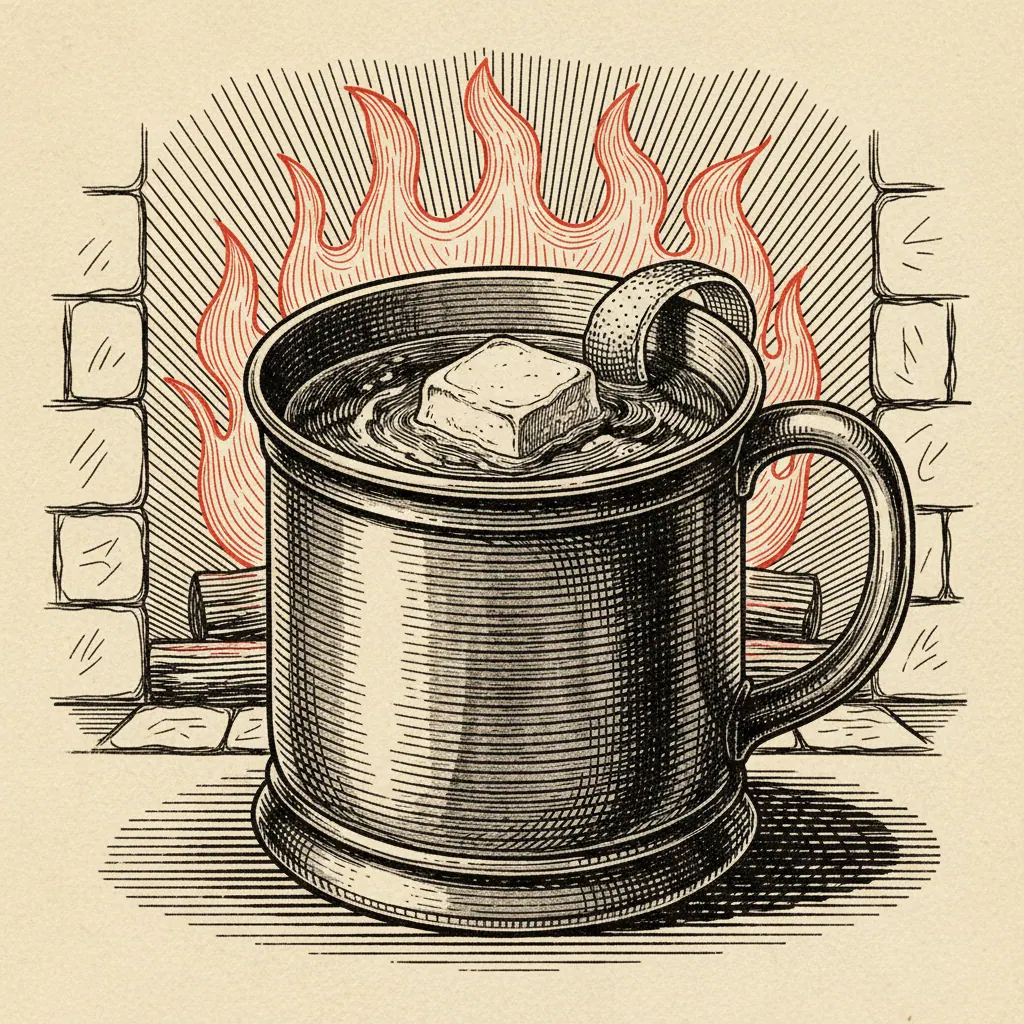
The colonial New England winter drink, made the right way. Dark Jamaican rum, real butter, the New Hampshire ski-lodge batter trick, and why store-bought spiced rum is wrong.
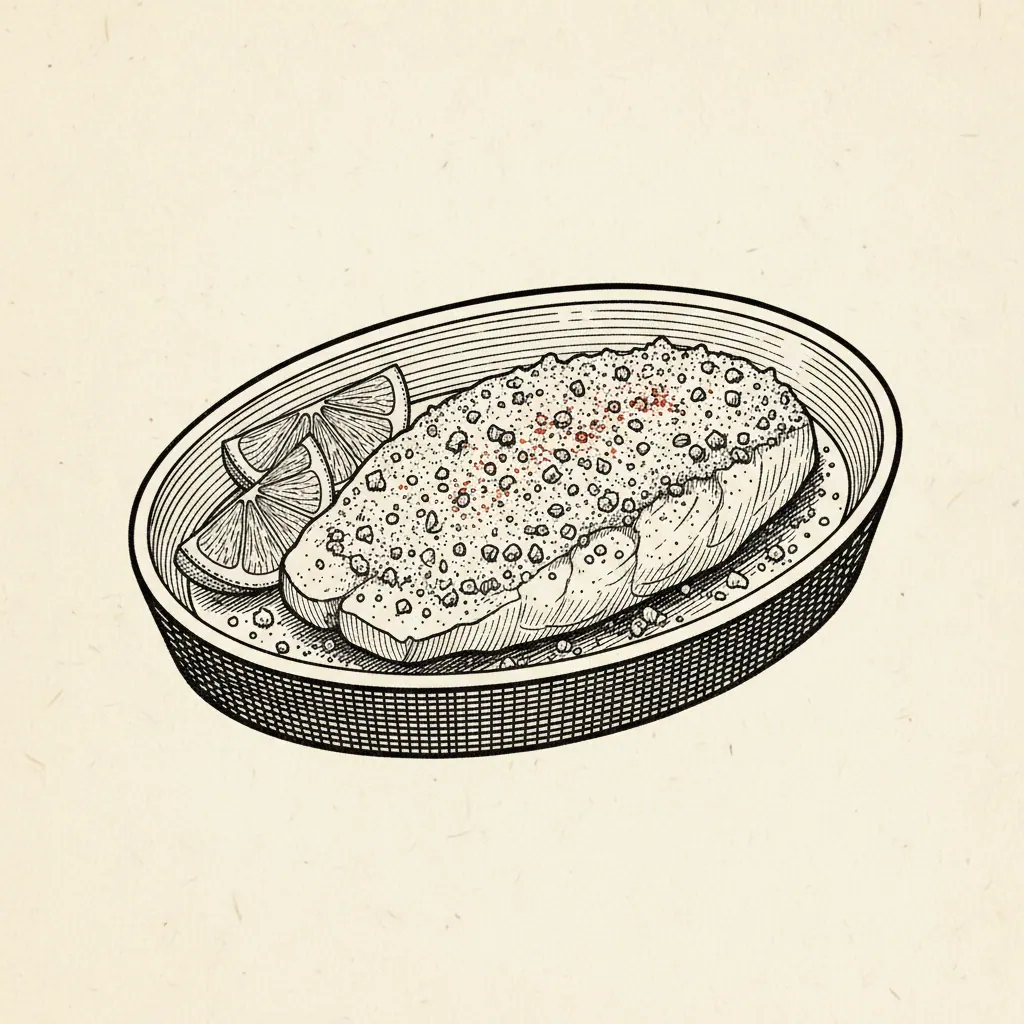
Gloucester's broiled-haddock technique: butter, Ritz crackers, sherry, paprika, six minutes under the broiler. Why Cape Ann is right and the rest of New England is wrong.
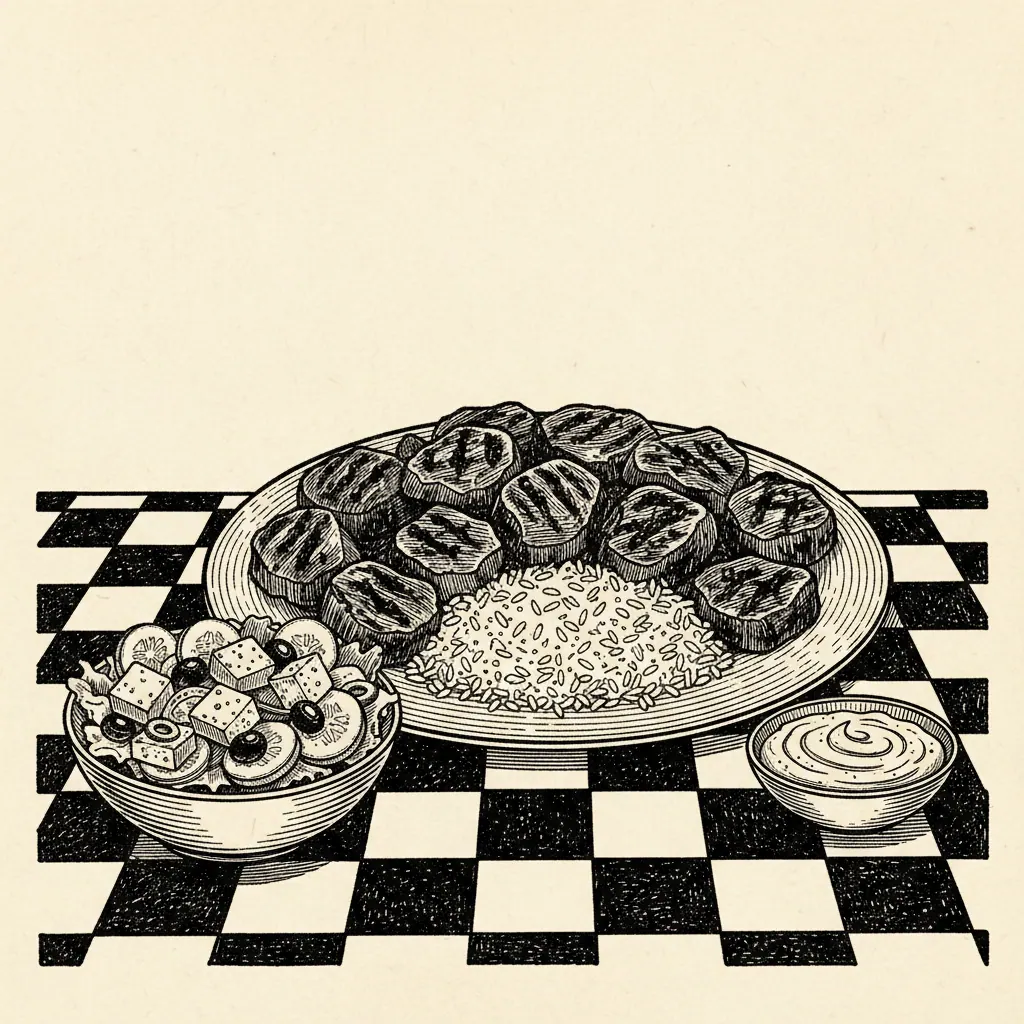
How a cheap cut became a New England standard. The Italian-marinade canon, rice-pilaf-and-blue-cheese serving rule, and the bars that have served them the same way since 1985.
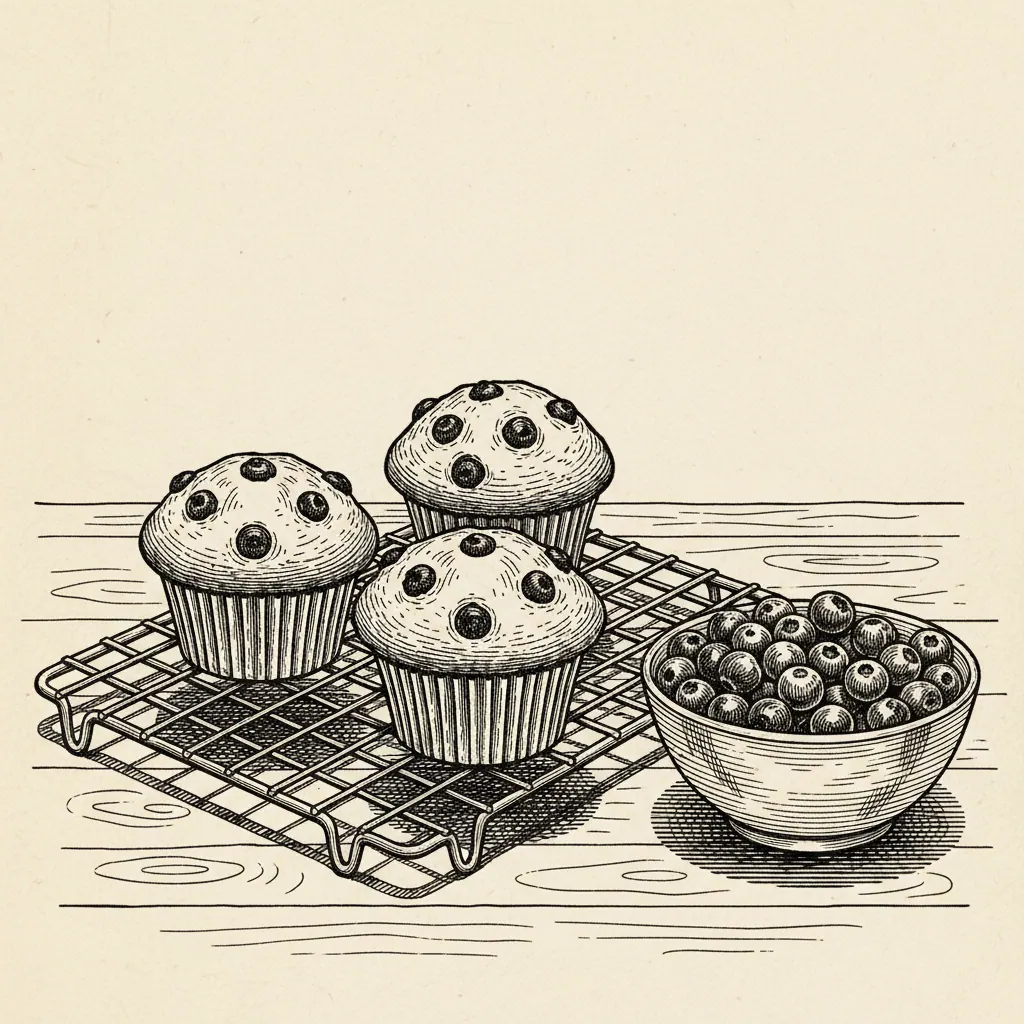
Maine grows a quarter of the country's blueberries. Here's the muffin recipe that does them justice — fresh berries, a hot oven, and a pat of butter melting into the split top.
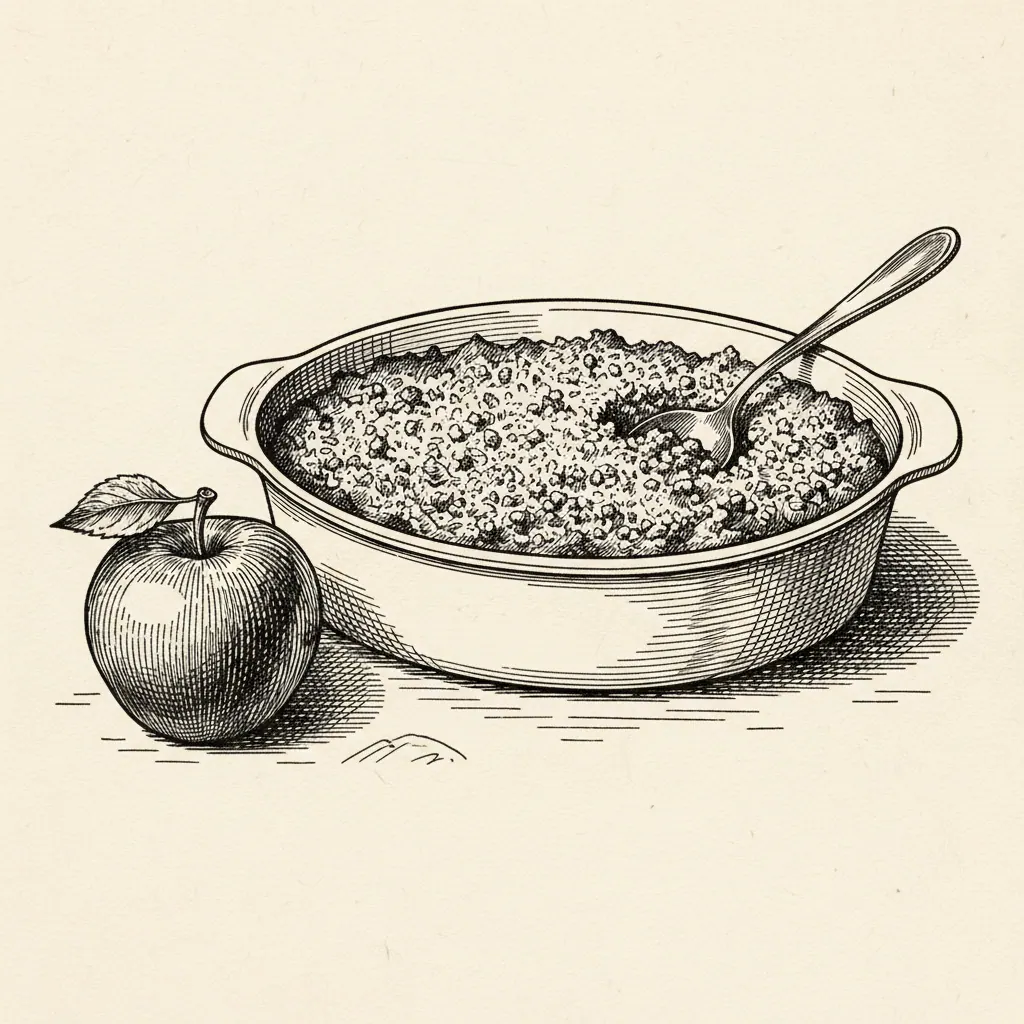
A crispier take on the classic — more oats, more brown sugar, less cake. Finish with real New England maple syrup if you want a smooth maple note on top.
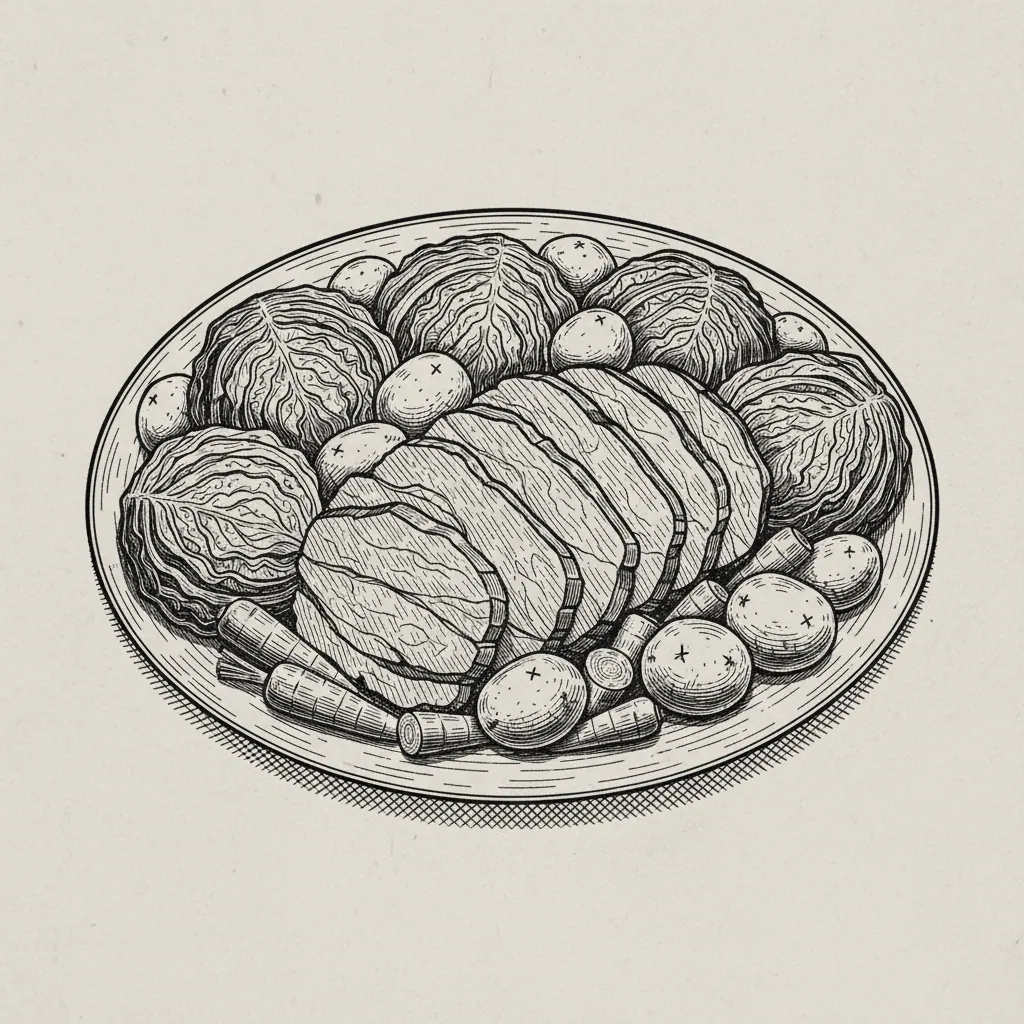
The St. Patrick's Day dinner that anchors the New England table in March: corned beef simmered low, then carrots, potatoes, rutabaga, and cabbage finished in the same pot.
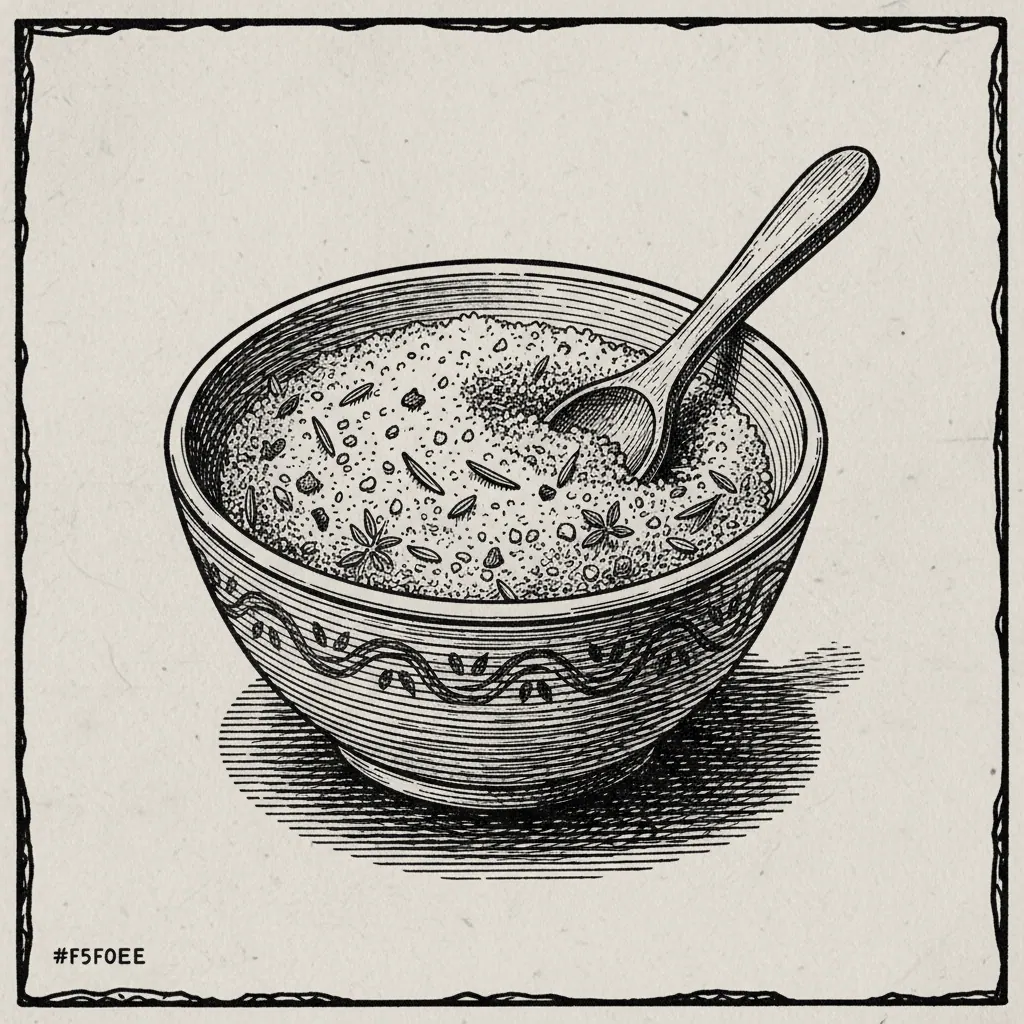
I put Lawry's Seasoned Salt on poultry, beef, and my breakfast eggs. Here's the homemade version I worked up that gets close to the real thing.
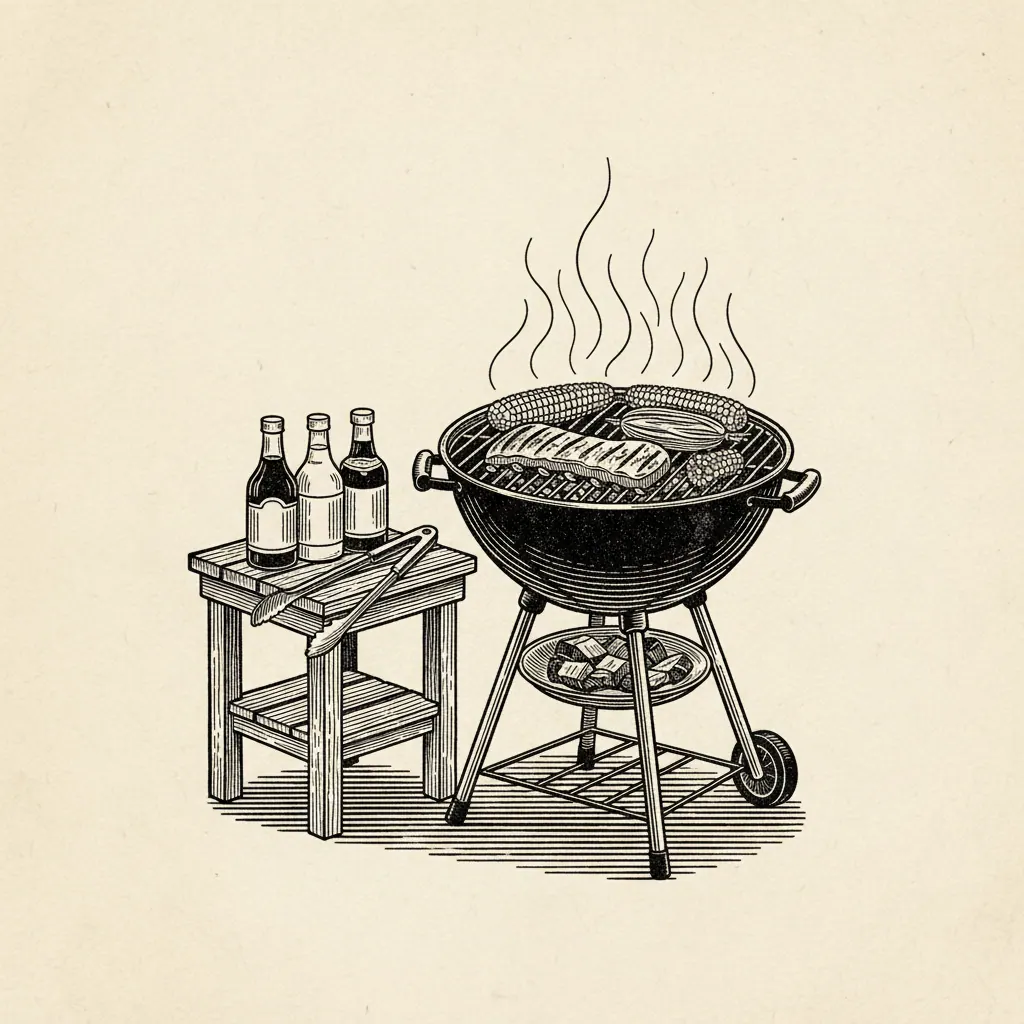
New England barbecue should be its own thing. Here's the case for it, broken down by wood, protein, and rub — local hardwoods, local meat, molasses and maple in the mix.
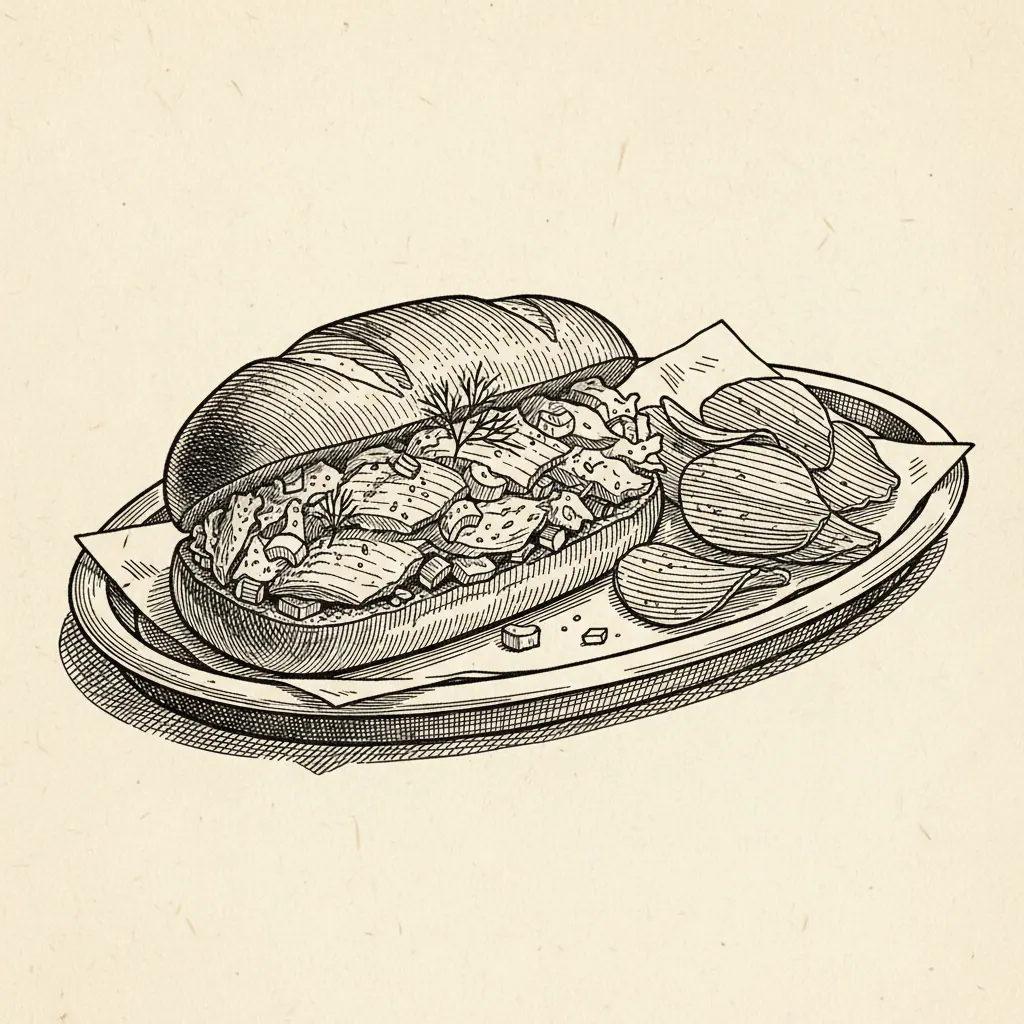
A striper roll, done the way it should be: poached fillets, a little mayo, a New England split-top bun. The honest cousin of the lobster roll.
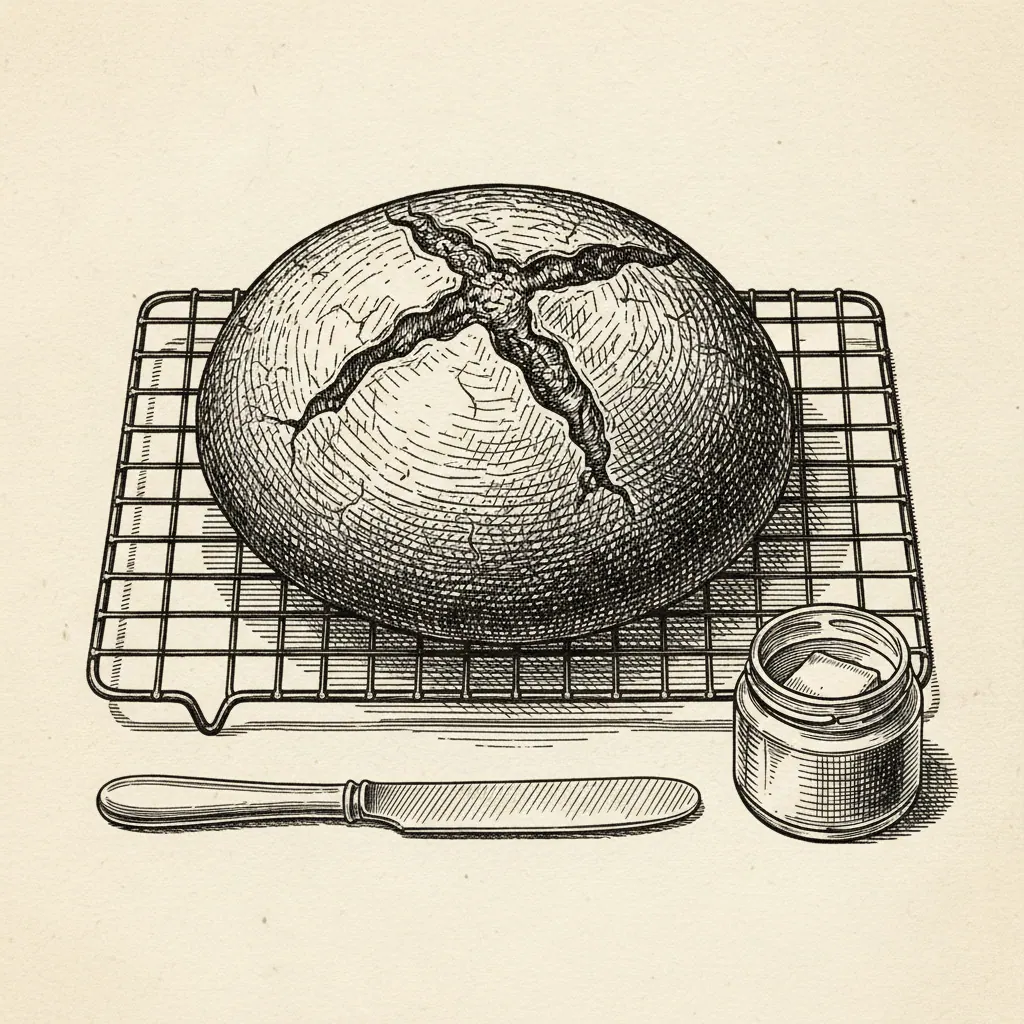
A steamed colonial loaf of rye, cornmeal, and molasses — the bread the Pilgrims learned to make when wheat was scarce and ovens were a fireplace hearth.
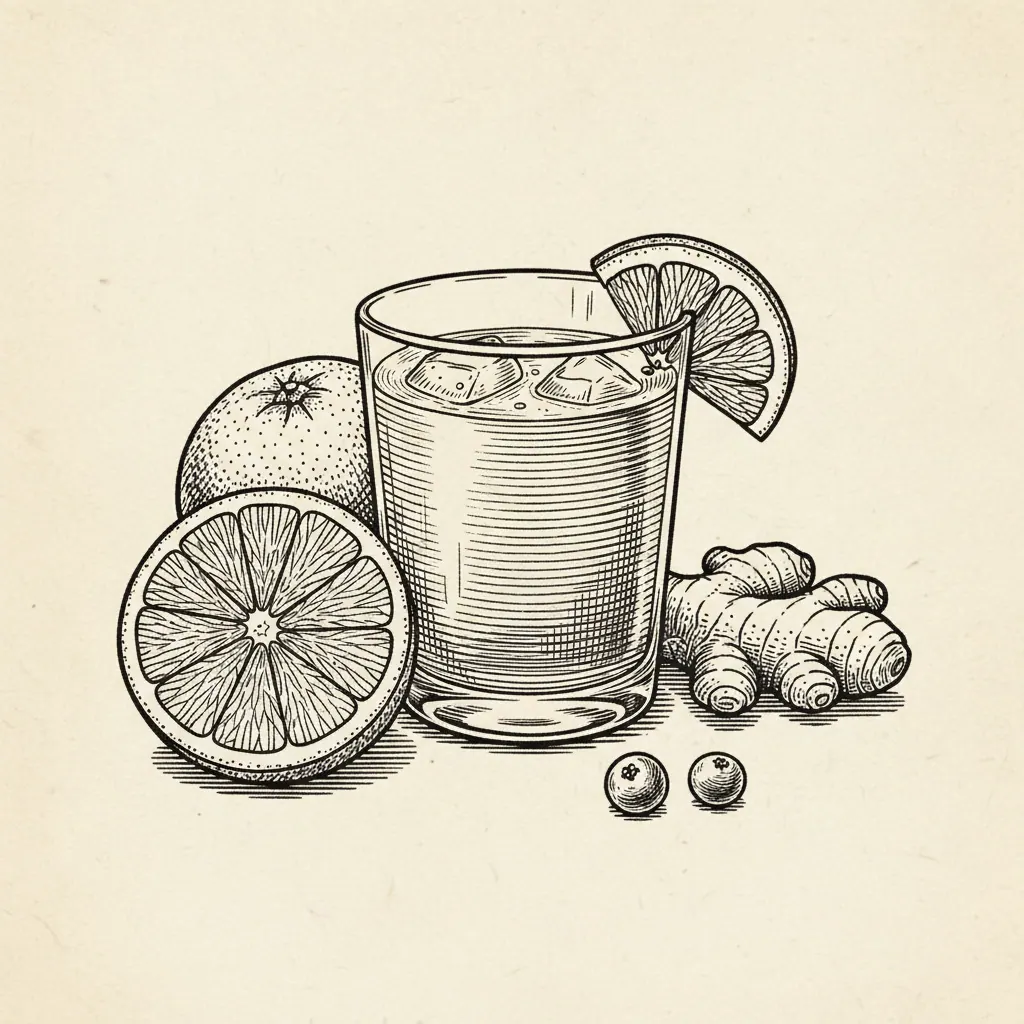
A simple morning juice named for Cadillac Mountain in Acadia, the first place in the U.S. to catch the sunrise. Three ingredients, one minute, no fuss.
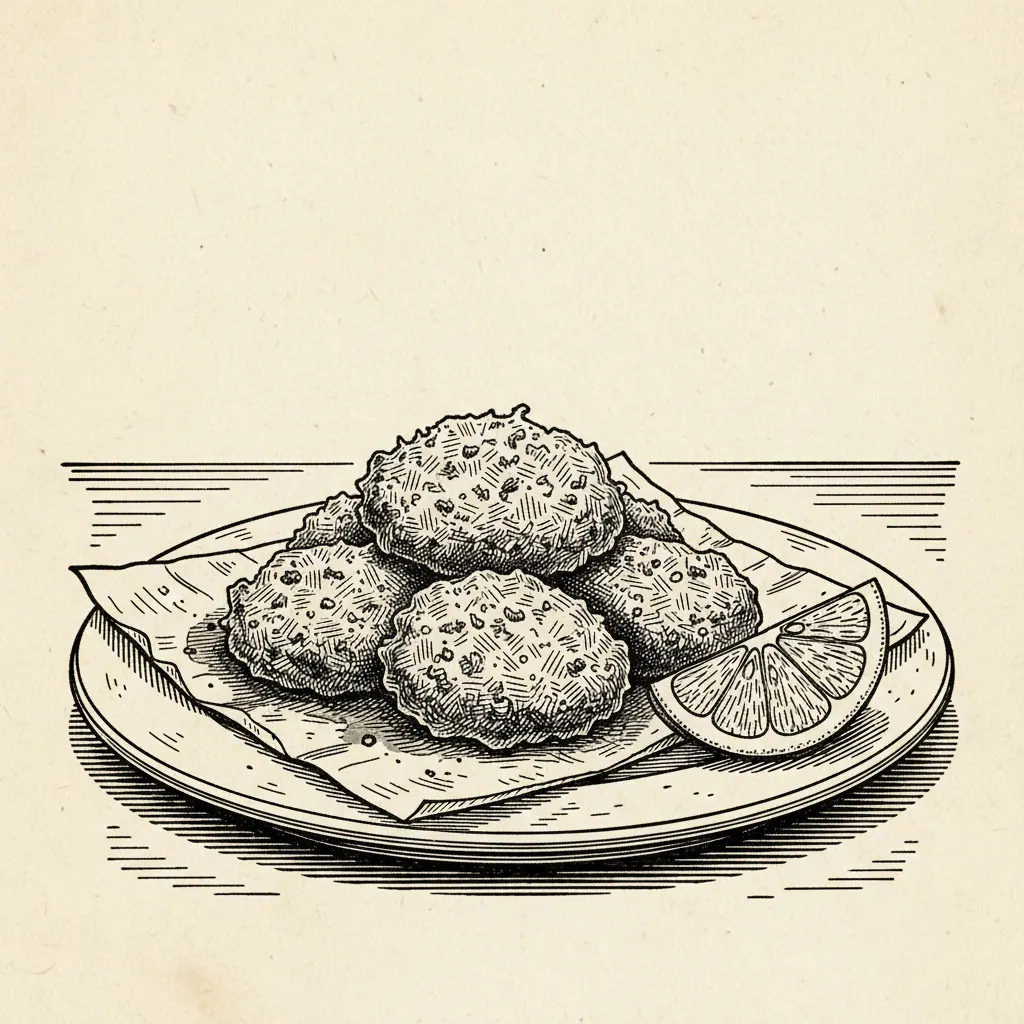
A simple Yankee recipe that puts the clams at the forefront — crisp fritter crust, soft center, no shortcuts. Fries up in under three minutes a batch.
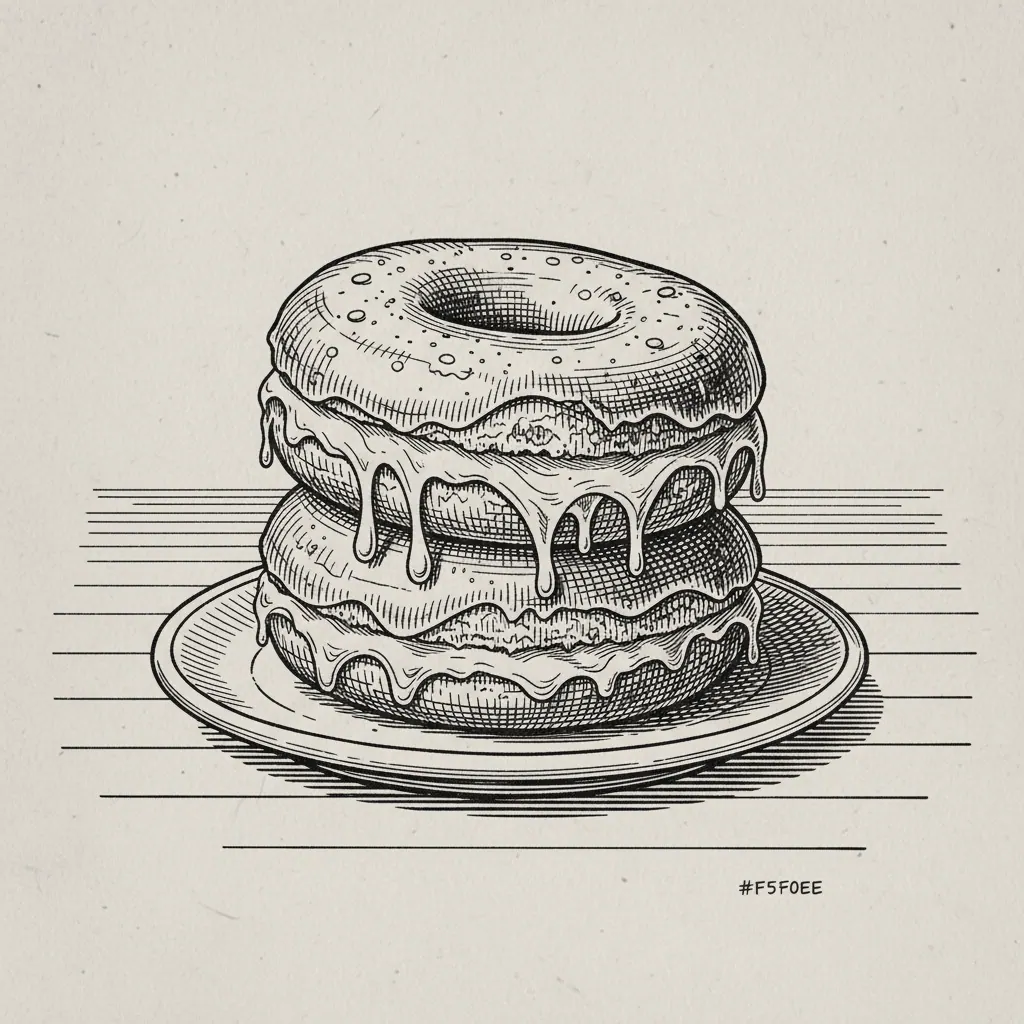
A fried crescent-dough donut stuffed with American cheese, brushed with honey mustard, and topped with chopped bacon. Two childhood foods, one pan.
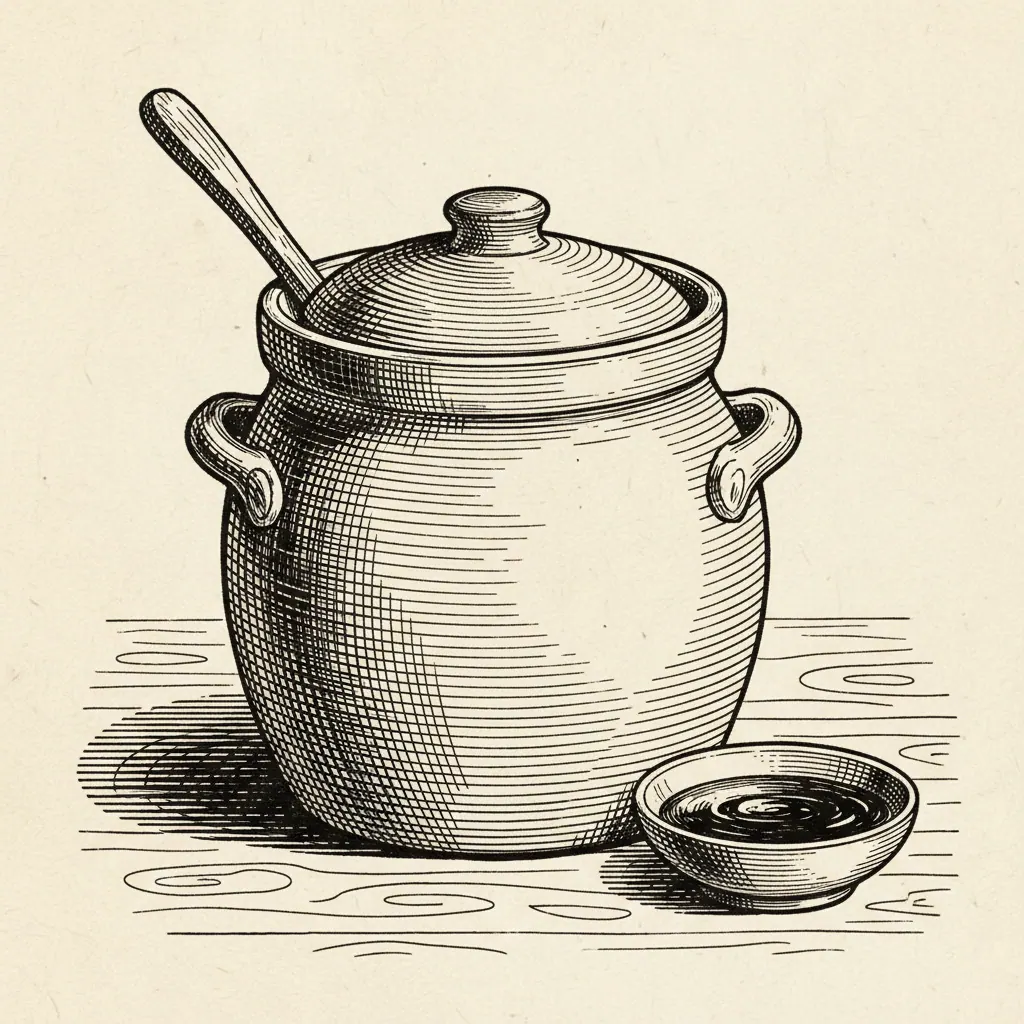
Boston didn't earn the name Bean Town for nothing. The history behind the pot, plus my recipe for navy beans, salt pork, and molasses baked low and slow.
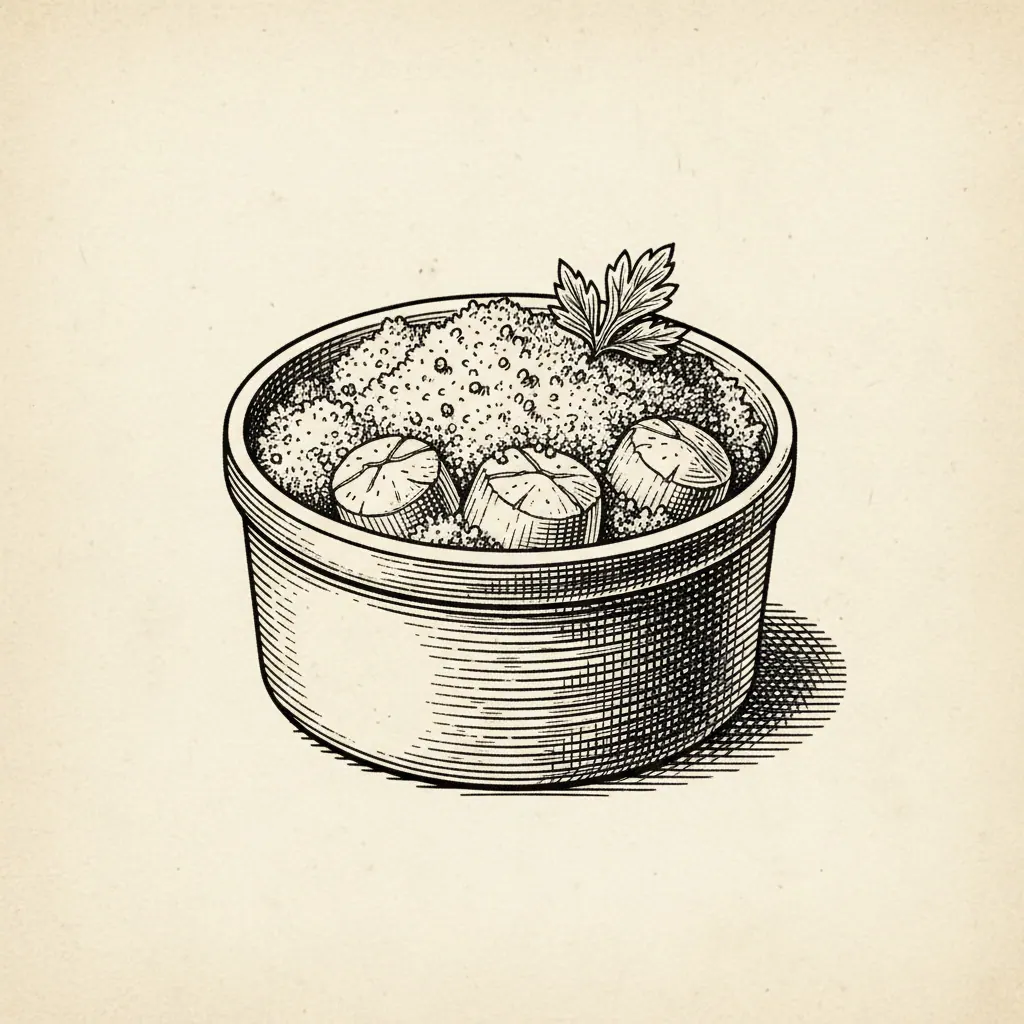
A simple New England baked bay scallops recipe — sweet bay scallops under a buttery cracker-and-Parmesan crust, finished in a cast iron skillet and served straight from the pan.