Irish Food in New England: The Sunday Supper Tradition
New Hampshire and Massachusetts are the two most Irish-American states in the country. Seven dishes that anchor the Boston Sunday-supper table, what's actually Irish, and where to eat the real version.
New England has the highest concentration of Irish-Americans in the country. New Hampshire leads every U.S. state at roughly 20% by ancestry, with Massachusetts close behind at about 19%. Those are Census ACS five-year-estimate numbers, and they explain something you can taste before you can name it: the Sunday supper that came over with the famine generation didn’t fade here. It moved indoors, onto the table, and stayed there. Other Irish-American population centers thinned out the tradition over four or five generations. Chicago, Philadelphia, even parts of New York let the weekly meal slide into a holiday-only thing. You make corned beef in March and forget about it until next March. New England held on. There are reasons.
The Demographic Backbone
The reasons are mostly geographic. Parish boundaries in Southie, Dorchester, and Charlestown stayed intact through the 20th century in a way they didn’t in most American cities, and the parish was the unit the Sunday meal organized around. You went to Mass, you came home, the roast was already on. Three- and four-generation households were common into the 1990s. The grandmother who learned the rhythm in a mill-town kitchen in 1948 was still running the Sunday table in 1995, and her granddaughter was watching. Holyoke, Chicopee, Lawrence, Lowell: the mill towns held the same pattern for the same reason. When the work is shift work and the week runs Monday-through-Saturday on a factory clock, Sunday is the one day the family eats together, and what you eat together becomes ritual fast. The Irish Cultural Centre of New England in Canton has functioned as the institutional keeper of this since the early 2000s. Their cooking programs, céilís, and the on-site pub kitchen treat the food as cultural infrastructure rather than novelty.
The Seven Dishes That Anchor the Table
The Sunday-supper tradition isn’t a single meal. It’s a week’s worth of cooking with a shape to it. Seven dishes carry the load:
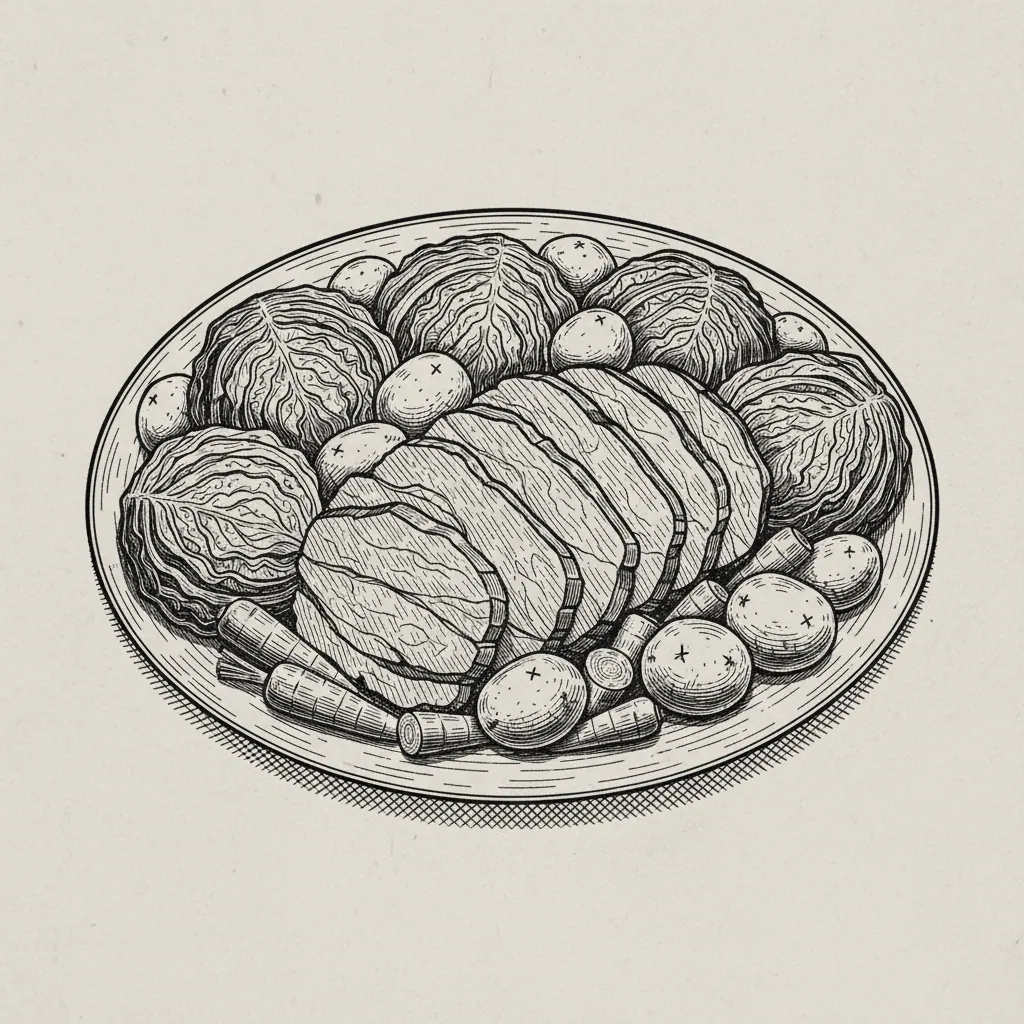
- Corned beef and cabbage: Sunday’s centerpiece, more on the genealogy below
- Brown bread: baked Saturday night, eaten Sunday with butter; the Boston Brown Bread post covers the molasses-and-cornmeal version that became the regional standard
- Boiled dinner with bacon and turnips: the older, pre-corned-beef form, still made in homes that kept the lineage straight
- Soda bread: Saturday baking, alongside the brown bread
- Shepherd’s pie: Monday, almost always, made from Sunday’s leftover meat
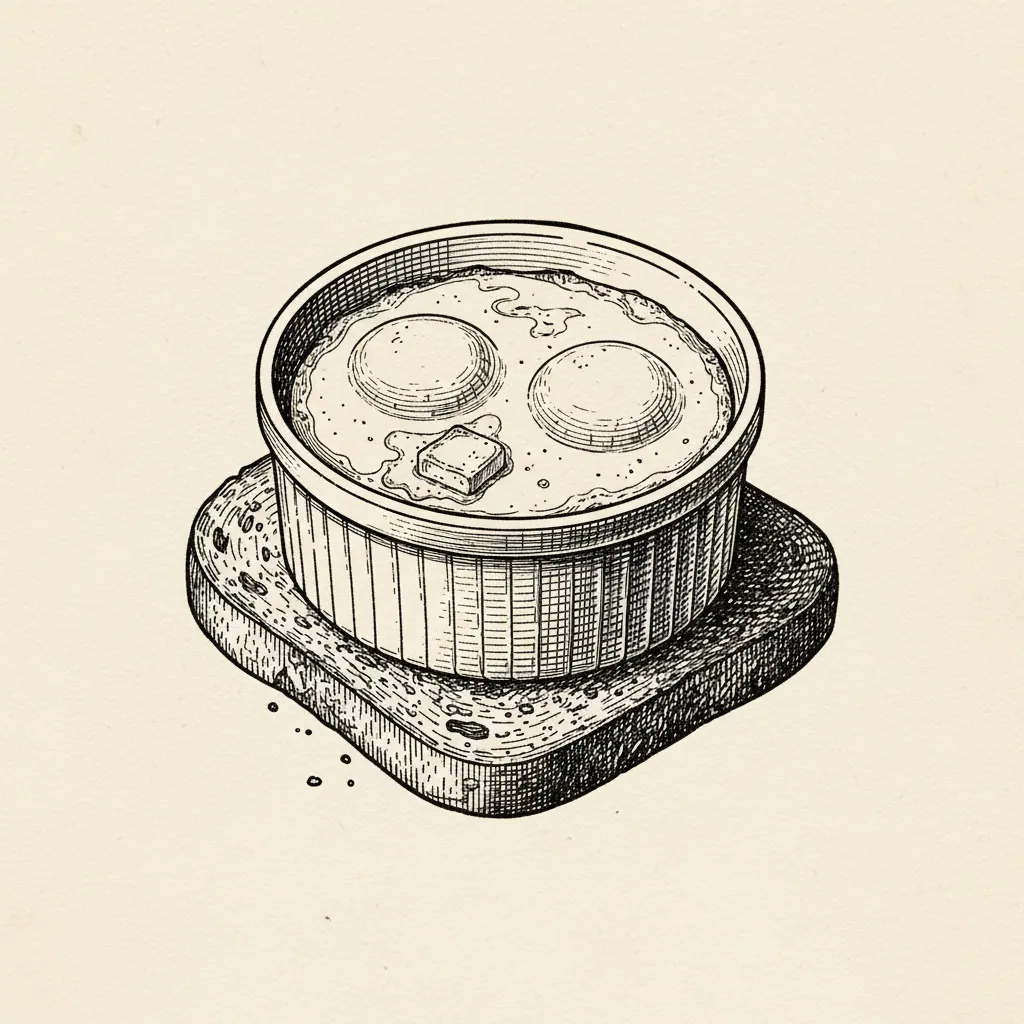
- Friday haddock: chowder for most of the 20th century, then increasingly broiled or baked after Vatican II loosened the meatless-Friday rule in the mid-1960s
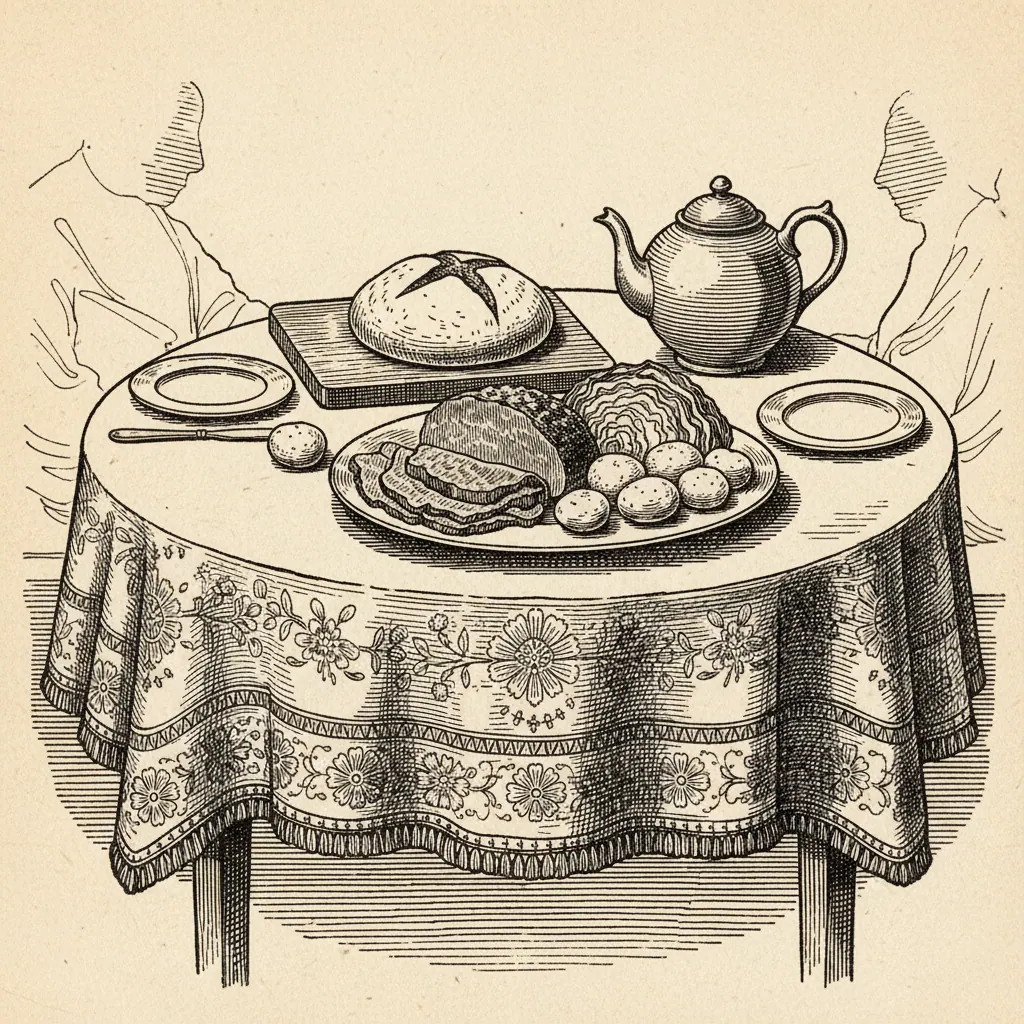
- Tea with biscuits: late afternoon, every day, not just Sunday The week sequences itself. Friday is fish. Saturday is the baking day, because the oven is on anyway and the bread keeps. Sunday is the roast and the gathering. Monday recycles Sunday into the pie. That rhythm held in mill-town households because it had to. You cooked when you had the energy and the hours, and you stretched the meat across the week. The deep dive on the Sunday roast itself lives in the corned beef and cabbage post. What’s worth saying here is that the dish is shorthand for the whole week, not a standalone.
What’s Actually Irish vs. What’s Irish-American
Most of what gets called Irish food in Boston is Irish-American food, and the distinction matters if you want to know what you’re eating. Corned beef and cabbage is American. In Ireland, the Sunday meal was bacon, specifically a back-bacon joint, closer to what an American would call a ham than to breakfast bacon. Corned beef became the substitute in the 19th-century New York and Boston tenements because the Jewish butchers next door sold brisket cheap and the Irish cooks adapted. By the second generation it had stopped being a substitute and started being the tradition. Shepherd’s pie is genuinely Irish, with the caveat that purists insist on lamb (and call the beef version cottage pie). The New England version leans heavily on carrots and often uses ground beef, partly because lamb was scarce and expensive in 19th-century Massachusetts and partly because the carrots were already in the boiled dinner the day before. Soda bread predates the famine and is the real thing. Bicarbonate of soda arrived in Ireland in the 1840s and changed home baking overnight. Soft wheat that wouldn’t take yeast suddenly had a leavening agent that worked. The bread that came across in the 1850s was already a generation old at home. The boiled dinner is a New England-Irish hybrid. The Yankee one-pot tradition of meat and root vegetables, all in the same kettle over the fire, met the Irish bacon-and-cabbage tradition in the 1850s and the two collapsed into one dish. It’s why the New England boiled dinner has turnips and parsnips that wouldn’t appear in an Irish kitchen, and why the Irish-American version in Boston uses corned beef where Cork would use bacon.
Where to Eat It in Boston in 2026
The honest pubs are the ones that do the food without performing the food. The Black Rose at Faneuil Hall and Mr. Dooley’s in the Financial District are the tourist-accessible options, and they do it correctly. The corned beef is house-brined at both, the brown bread is made on-site, the Friday haddock shows up in chowder and on the broiler. They get a lot of cruise-ship traffic, which has not hurt the kitchen. J.J. Foley’s Cafe in the South End is the longer story. Family-run since 1909, the longest continuous Irish bar in Boston, fourth-generation operation. Doyle’s in Jamaica Plain closed in 2019 after 137 years, which was a real loss. The Pleasant Cafe in Roslindale is widely cited as carrying forward elements of the Doyle’s recipe set, though anyone writing about it should call the kitchen and confirm before claiming a direct lineage. The story has been told a few different ways.
The Pioneer Valley Tradition and the Home Table
Boston gets the attention, but the Irish food culture in the Pioneer Valley is its own thing. Holyoke and Chicopee were built on the Three Rivers mill economy (paper, textiles, the canals), and the Irish who settled there from the 1850s on cooked differently than their cousins on the harbor. Less seafood, more pork, heavier reliance on root cellars through the long Connecticut River winters. The Wherehouse? in Holyoke runs a Sunday brunch that pulls from this lineage and is worth the drive from Boston if you want to taste the difference. But the real tradition is at the home table, and the home table runs on a clock that hasn’t changed much in seventy years. The brown bread goes in Saturday night. The corned beef goes on the stove around 11 Sunday morning. The cabbage and carrots go in around 1:30. The potatoes go in at 2. The table is set for 3:30. Mass at 9, leftovers in the fridge by 5, shepherd’s pie on the stove by Monday at 6. What gets passed down when a recipe is also the rhythm of a week is more than the recipe. It’s a way of organizing time that says the meal is the destination Sunday is built toward. Most American food culture in 2026 has lost that. New England’s Irish kitchens, mostly, haven’t. That’s the thing worth noticing the next time you sit down at a Sunday table in Dorchester or Holyoke or out in Canton at the Cultural Centre’s pub. The brown bread is good. The corned beef is good. But what’s actually on the table is a hundred and seventy years of a family deciding, week after week, that this was the meal that mattered.