Made in Massachusetts: A Buying Guide to 25 Bay-State Brands That Still Make It Here
Twenty-five Massachusetts brands still made here. New Balance shoes, Sam Adams, Polar Beverages, MIT Press, the working list of Bay-State manufacturers.

Department
Makers, small brands, craftsmanship — the real New England economy.
The Yankee-Made section is about the working New England economy — the leather workers, knife makers, boat builders, blanket mills, cheesemakers, syrup operations, country stores, and small brands that still produce in the region rather than ship the work overseas and put a flag on the box. The premise is that made in New England still means something, sometimes — and the rest of the time it doesn’t, and the difference matters to anyone trying to decide whether the price tag is honest.
The editorial bias is toward what we’d call Yankee math: the long-run case for the expensive thing. A Filson Mackinaw cruiser at $500 that lasts twenty years is cheaper per year than a $80 fast-fashion field coat replaced every two. A pair of L.L. Bean boots resoled twice across thirty years is cheaper per year than the disposable winter pair from a big-box that fails its third January. A Vermont-made cheddar at $30 a pound from a 200-cow farm is more expensive than the supermarket block, and also a different cheese. The math isn’t sentiment; it’s depreciation against a real product life.
Buy-it-for-life heritage gear. L.L. Bean boots — the lifecycle from year one through year thirty, including the resole math. Filson coats versus L.L. Bean field jackets in a head-to-head after a decade. American Bench Craft leather goods out of Peabody, Massachusetts — single-piece-of-hide construction, riveted instead of stitched, brass hardware that develops a patina rather than peeling. Pendleton wool blankets. Sorel pacs. Red Wing iron rangers. The pieces that are explicitly designed to be repaired, resoled, retreated, and handed down.
Small-brand profiles. Maine knife makers — the Eastport fillet, the Bath kitchen, the Lewiston pocket. Vermont furniture out of Pomfret and Royalton. Rhode Island leather out of Pawtucket. Massachusetts metalwork out of the Connecticut River valley. New Hampshire boat builders along the Piscataqua. Connecticut fabric mills that survived the textile collapse and came back.
Maker profiles. Named real people, in named real towns, doing the work. The last cooper in Connecticut. Five Maine craftsmen still on waiting lists. The blacksmith in central Vermont taking apprentices for the first time since 1996. The cheesemaker at Jasper Hill in Greensboro. The shoemaker in Rockland, Maine.
Country stores and general stores. The six-state tour of the country stores still selling nails alongside the maple syrup, plus the math for telling a real one from a gift shop in thirty seconds. Vermont’s H.N. Williams Store in Dorset, the Vermont Country Store in Weston, Calef’s in Barrington NH, Brown’s General Store in Hampden ME. The ones that survived without becoming themselves.
The food economy. Cheese (Cabot, Jasper Hill, Cellars at Jasper Hill, the smaller Vermont creameries). Maple syrup operations and how to read a grade label. Cider houses (Eden, Citizen, Stormalong, Bantam). Spirits (Vermont Spirits, Berkshire Mountain Distillers, Castle Hill Cider). The grain mills (King Arthur’s professional flour line, Maine Grains in Skowhegan).
Every product mentioned by name in this section meets one of three standards: we own it ourselves and have for at least one full season of real use; we’ve spoken on the record with the maker about how it’s built; or we’ve sourced the recommendation to a named, published reference (a long-running cookbook author, a gear journalist with a track record, a working tradesperson in the field). Where we use first-person possession claims — we’ve worn this for ten years, we keep this in the kitchen — those claims are true and the writer is willing to defend them.
We do use affiliate links to some products we recommend (Amazon Associates, Bookshop.org, sometimes the maker’s own site if they pay commission). The price you pay is the same; the merchant gives us a small cut. We never recommend a product we wouldn’t recommend without the affiliate. The full list of programs we participate in is in the privacy policy.
No “hidden gem” claims about brands that have been profiled in every regional magazine for fifteen years. No assembled “best of” lists from press releases. No reviews of products that arrived at the office in a marketing box and got a thirty-second photo session. No first-person ownership claims for things we haven’t actually owned.
The reader test is straightforward: would the person who actually makes this product be embarrassed if they read what we wrote about it? If the answer is yes, the piece doesn’t ship.
All entries
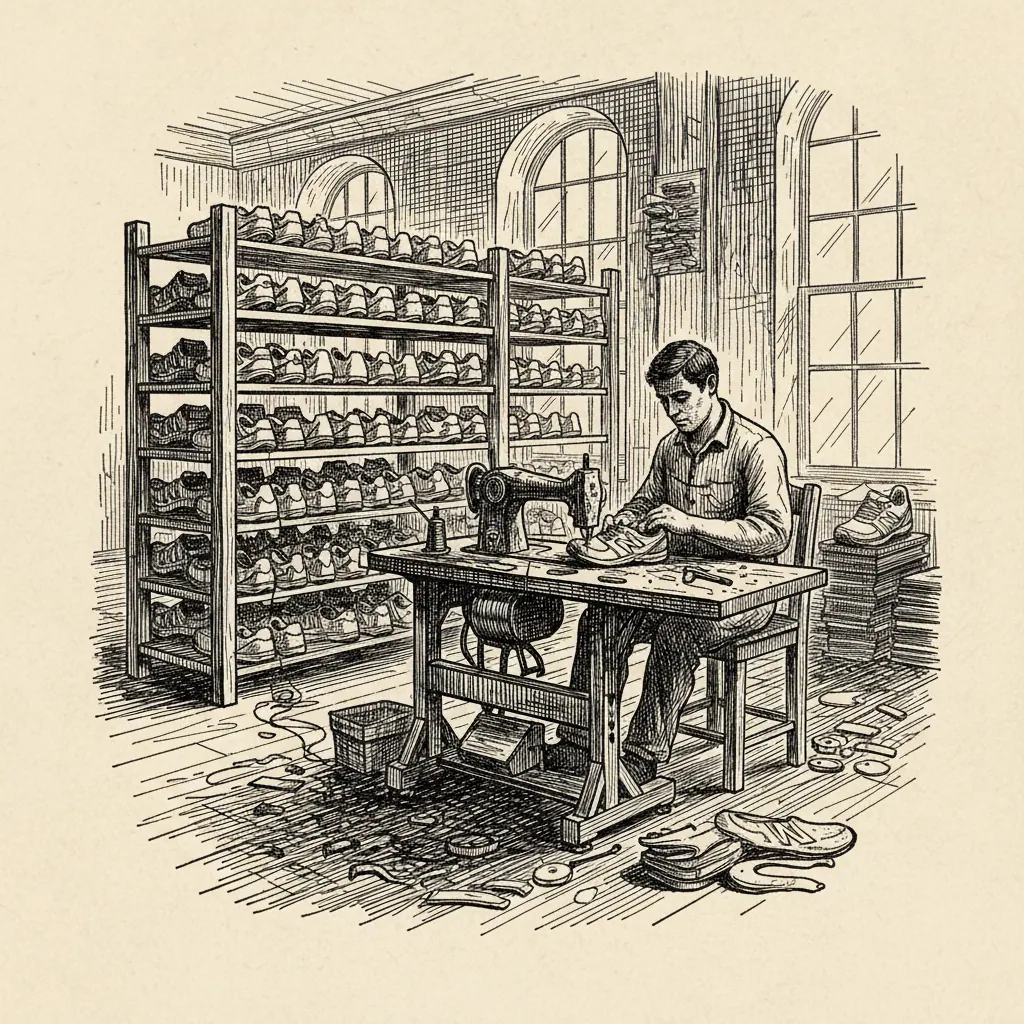
Twenty-five Massachusetts brands still made here. New Balance shoes, Sam Adams, Polar Beverages, MIT Press, the working list of Bay-State manufacturers.
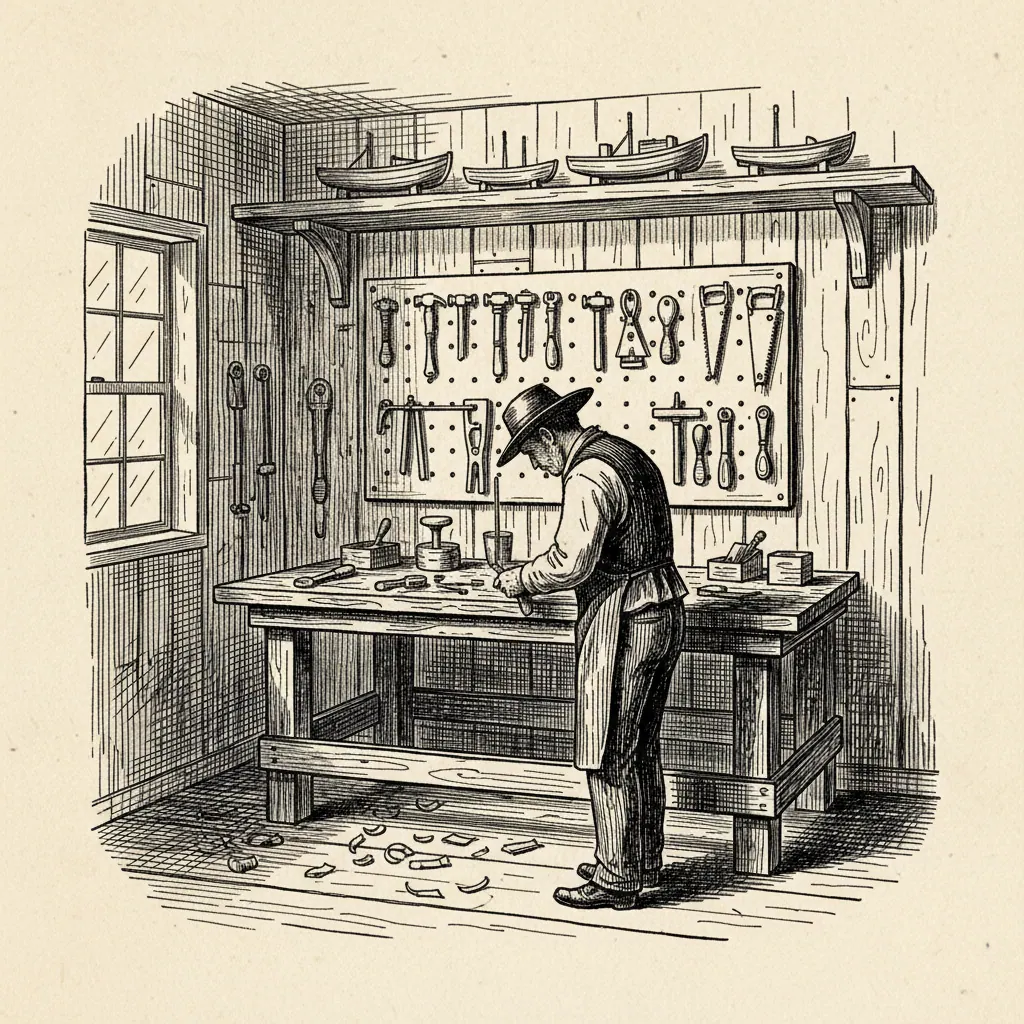
Twenty-five Maine brands still manufacturing in-state, organized by category. L.L. Bean Boots, Thomas Moser furniture, Hinckley Yachts, the working list.
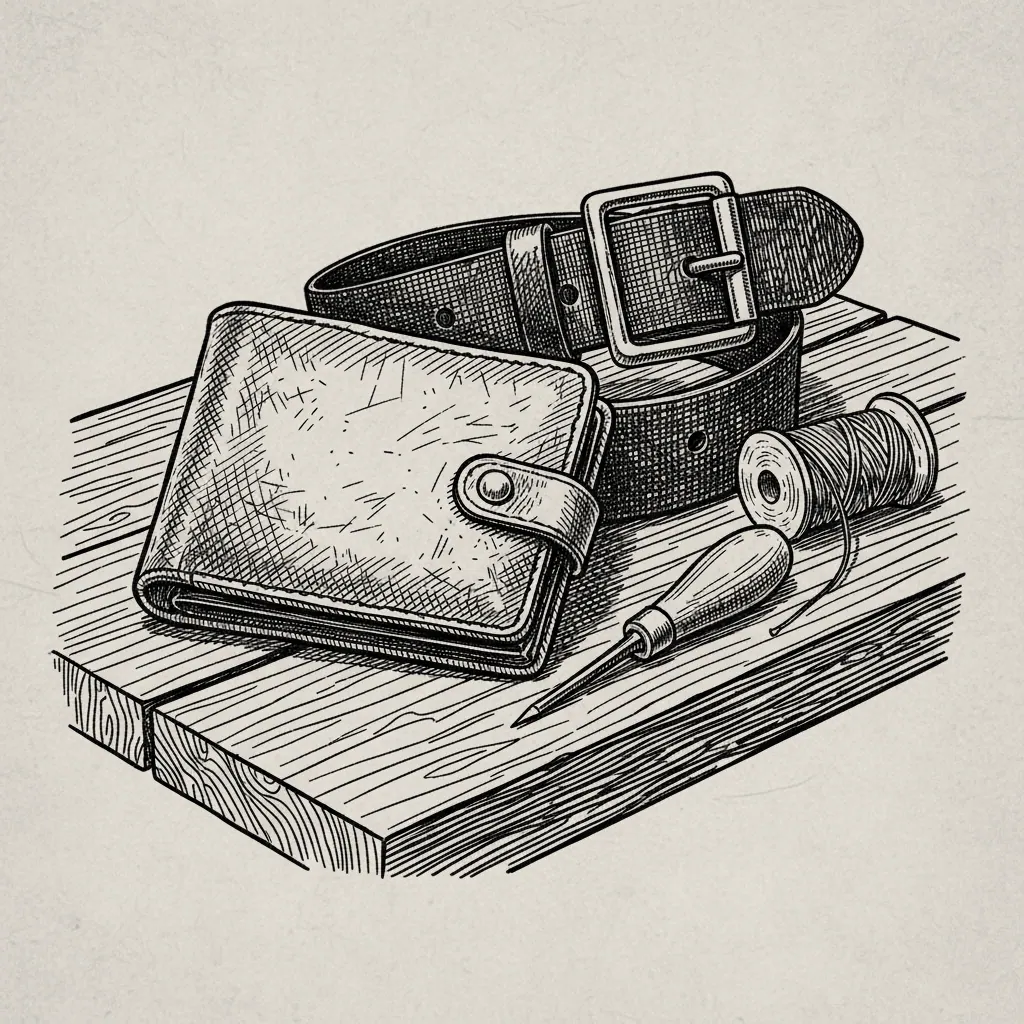
Jason and Chris Angelini's Massachusetts leather shop builds wallets from a single piece of hide, riveted instead of stitched. I've carried one for years.