Ipswich Clams: The Town, the Flat, and the Clam Everyone Else Imitates
Why Ipswich clams are genetically the same as any other steamer but taste better. The Great Marsh, the Clam Box, and the FDA loophole that lets every Maine clam get the Ipswich label.
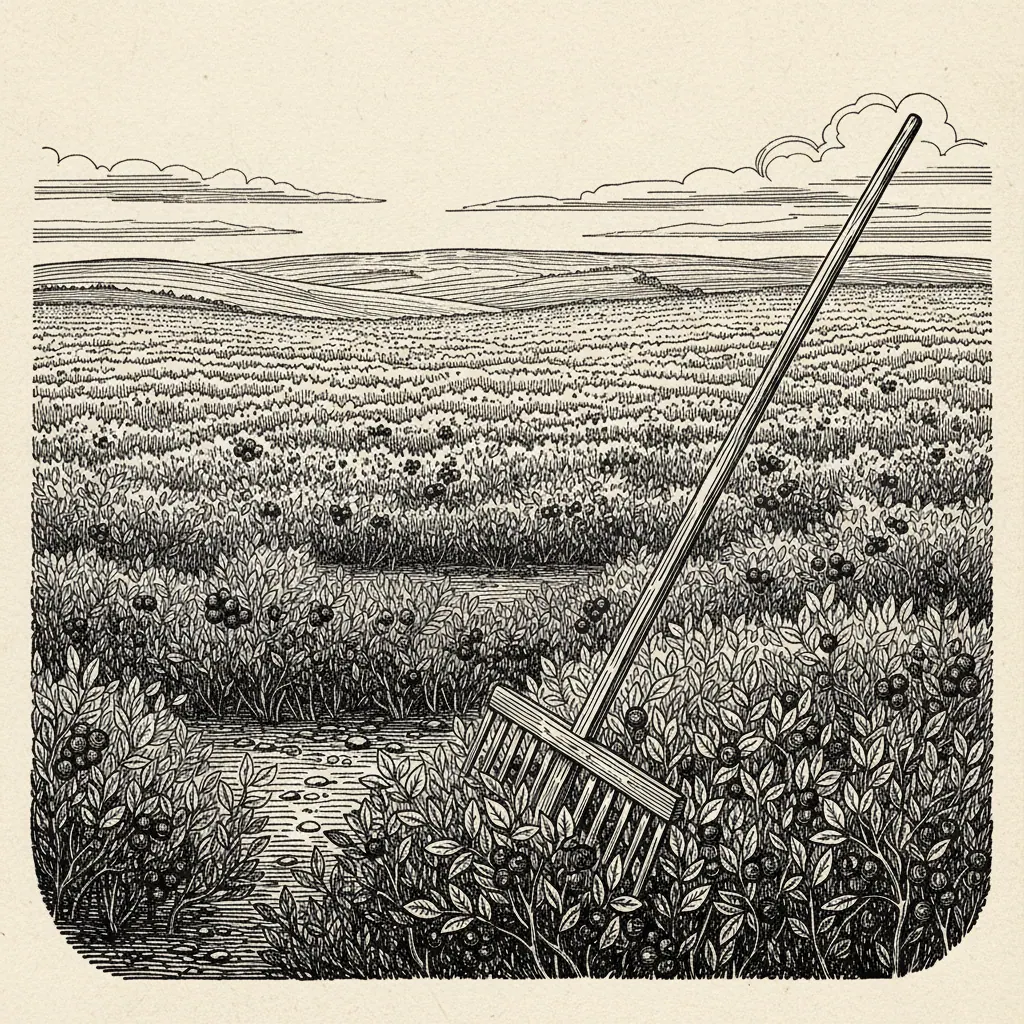
The clam everyone calls an Ipswich clam may or may not be from Ipswich. That’s the first thing worth knowing. The second thing is that the ones genuinely dug from the flats off Route 1A taste different from every other soft-shell steamer on the coast, and the reason has nothing to do with the clam itself. It’s the marsh. Drive north on Route 1A through Rowley and into Ipswich and you’ll pass it on the right: twenty thousand acres of cordgrass cut through with tidal creeks, the Great Marsh, the largest contiguous salt marsh north of Long Island. Most people don’t register it. It looks like nothing. A flat green expanse, gray at low tide, with the occasional clammer’s truck parked at a pull-off. That nothing is the reason.
The Marsh That Makes the Clam
Mya arenaria is Mya arenaria whether it’s pulled from a flat in Ipswich, a cove in Maine, or a tidal river in New Brunswick. Same species, same biology. What changes is what the clam has been filtering for the three years it took to grow to legal size. The Great Marsh is fed by Plum Island Sound and laced with peat. The substrate the clams live in is tannin-rich, the tides run nine feet, and the salinity sits in a band that produces a sweeter clam, less briny, fuller in the belly, thinner-shelled. This is terroir, the same argument the wine people make about a hillside in Burgundy, applied to a mudflat. The biologists at Mass Division of Marine Fisheries don’t put it in those words, but the chefs who sort cases at the back door of a Boston kitchen do. They can tell. The densities are the other piece. The Great Marsh holds soft-shell clam populations packed tighter than almost anywhere on the East Coast. The mudflats off Little Neck and Castle Neck are, in clamming terms, a working farm.
4,500 Years of Digging
The Agawam were harvesting these flats for at least 4,500 years before anyone painted a clam shack red. Shell middens up and down the marsh, heaps of discarded shells layered into the dunes, are documented archaeologically and date the practice back to a time when most of New England was still glacier scarp. Commercial digging started in the 1850s. By the 1940s, Ipswich and the surrounding towns were pulling more than five million pounds of soft-shells out of the Great Marsh in a strong year. The fishery has shrunk since. The diggers go out at low tide with a short rake and a wire basket, the way they did in 1900. Most of what changed is the price.
The Clam Box, Woodman’s, and Farnham’s
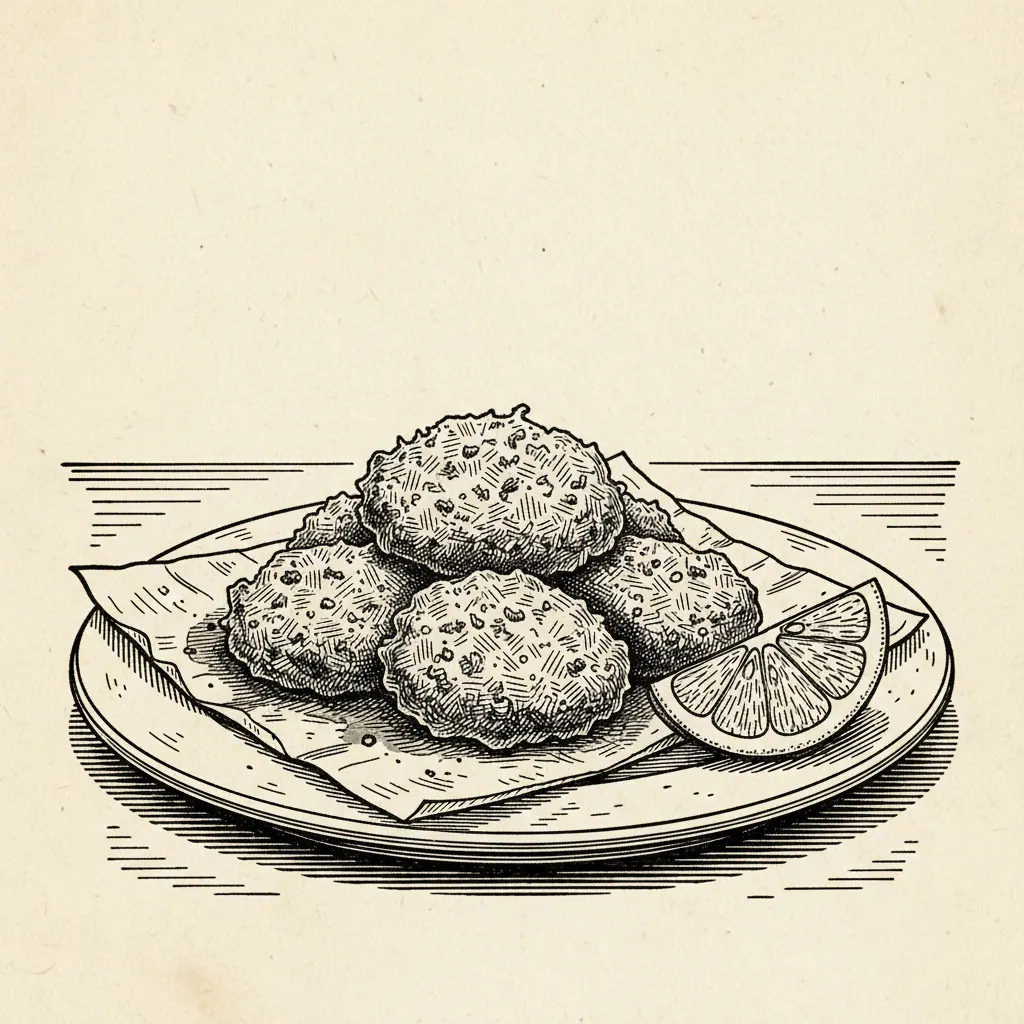
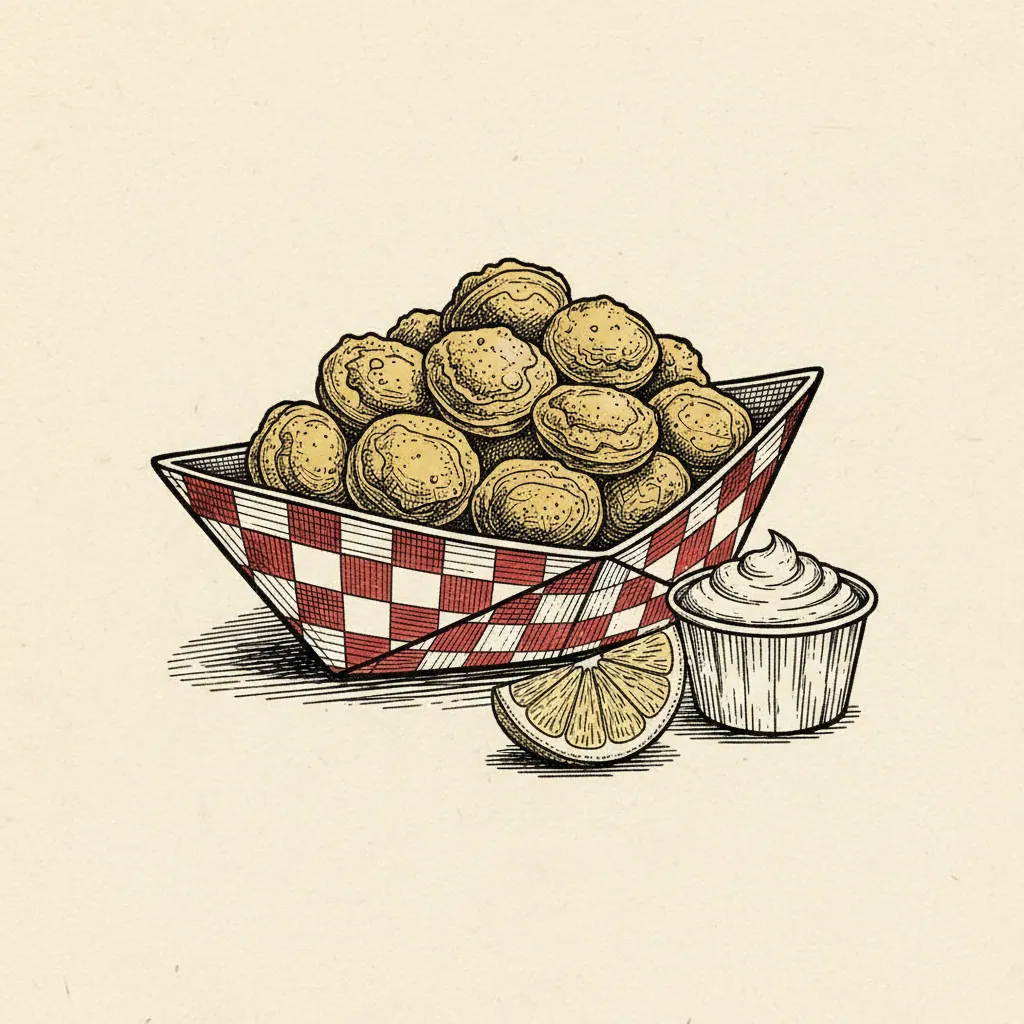
If you’ve had a fried clam in a New England restaurant, you’ve eaten in the long shadow of three places. The Clam Box of Ipswich sits on Route 1A and has been there since 1938. The building is built to look like the cardboard take-out box the clams come in, flared out at the top, narrower at the base, painted white. People wait. Woodman’s of Essex, a few miles south on 133, claims the invention of the fried clam itself. The story is that Chubby Woodman, working a slow Fourth of July in 1916, dropped a clam into the kettle he was using to fry potato chips and pulled out the founding object of an entire regional cuisine. Whether that’s exactly how it happened depends on who’s telling it; the Woodman family has held the line on the year and the kettle for more than a century, and nobody’s produced a better story. J.T. Farnham’s, also on 133, is the quieter third name. It doesn’t have the Clam Box’s road-trip silhouette or Woodman’s origin myth, and that’s part of the appeal. Locals will rank all three over a beer at the Choate Bridge Pub and they will not settle it. The argument is the point.
Why a Clam in Cleveland Is Called an Ipswich Clam
Walk into a fish market in Cleveland or a white-tablecloth place in Atlanta and there’s a fair chance the menu lists “fresh Ipswich clams.” The supply chain behind that line runs through one company: Ipswich Shellfish Company, headquartered on Hayward Street, the wholesaler that ships soft-shells across the country. Some of those clams are dug from the Great Marsh that morning. Some are dug in Maine, or in Canada, and trucked into Ipswich for distribution under the same label. The FDA doesn’t regulate origin claims on soft-shell clams the way it does on, say, Champagne or Vidalia onions. “Ipswich,” over the past fifty years, has drifted from a place of origin into a synonym for quality. It’s a brand more than a geography. This is not a scandal. The wholesalers aren’t lying; they’re operating in a labeling regime that doesn’t require precision. But it does mean that the clam in your basket in Ohio was probably not pulled out of the mud you can see from Route 1A.
How to Tell What You’re Eating
If you care about the difference, ask. A real Ipswich shack will know where their clams came in from that morning, and an honest one will tell you when they’re frying Maine clams because the local diggers couldn’t get out: red tide closures, weather, a slow tide. The good ones don’t pretend. Once you’ve had a flat dug from the Great Marsh, you have a reference point. The genuine article is sweeter on the back of the tongue, the belly fuller, the shell thinner enough that you can crunch through it on a steamer that fried a beat too long. The imitations aren’t bad. They just read flat by comparison, the way a tomato in February reads against a tomato in August. Season runs roughly April through November, sometimes a little on either end, depending on red tide and rainfall closures. Mass DMF posts current shellfish notices online and updates them as conditions change; check before you drive up, because a closure can shut a flat for weeks. Whether what’s in the basket came from the marsh you can see out the window: that’s the question worth asking on the way to the counter.