Jordan Pond House: The Popovers, the Tea-House Tradition, and the 1893 Story
The popovers, the 1893 tea-house tradition, and the lawn-with-Bubbles-view dining that's the most-recommended Acadia activity that doesn't involve hiking.
Two hundred thousand popovers a year come out of one kitchen on a lawn in Acadia. The recipe is older than the National Park Service. The view north across Jordan Pond at the Bubbles, two glacial domes set into the far shore, is older than the kitchen by a few thousand glacial years. The protocol is fixed: hot popover, split at the table, butter, strawberry jam, tea alongside. It is the most reliable non-hiking hour in the park. The Jordan Pond House does one thing, and it has been doing it the same way since the McIntyres set up a tea house on this lawn in 1893.
The 1893 Tea House and What Survived
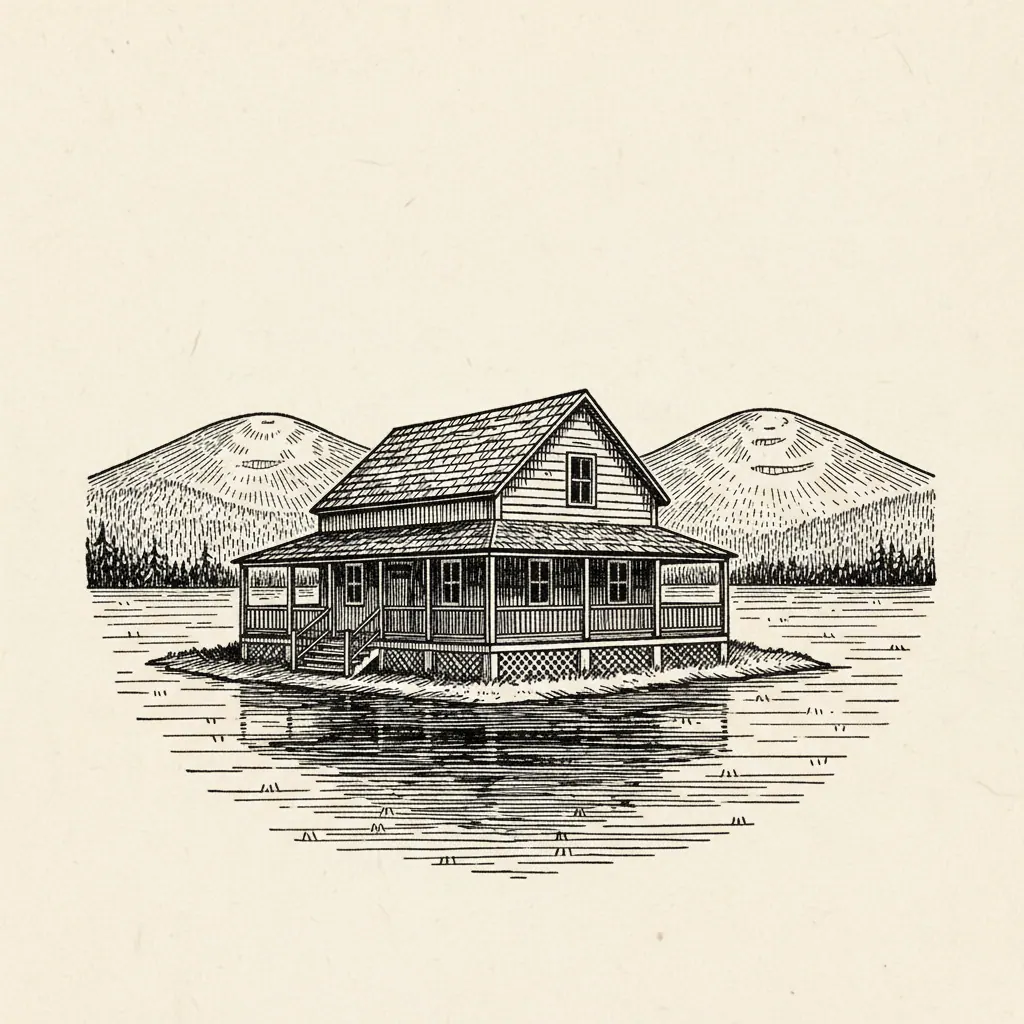
The original operation was a summer tea house catering to Mount Desert Island’s rusticator crowd, the Boston and Philadelphia families who came up by steamer for the season and wanted somewhere civilized to sit between hikes. The McIntyre family ran it. The Mount Desert Island Historical Society holds the early menus and family records, and the popover-and-tea protocol shows up on those menus from the beginning. The Park Service has run the concession contract ever since, with the current operator working from an NPS-approved menu standard. In 1979 the original building burned to the ground. What got rebuilt is the part worth knowing about. The new structure kept the lawn footprint, kept the orientation toward the Bubbles, and (the part the regulars cared about) kept the popover recipe unchanged. The building is post-1979. The recipe, the lawn, and the protocol are not. That distinction matters. The continuity at Jordan Pond House isn’t architectural. It’s a recipe, a sight line, and a serving ritual.
Why the Popover Works
A popover is one of the simpler things a kitchen can put on a plate: egg, flour, milk, salt, butter. No baking powder. No yeast. No chemical leavening of any kind. The rise is steam, water in the batter flashing against the heat of a preheated pan, blowing the shell outward before the crust sets. A successful popover puffs to roughly four times the batter volume. The interior is hollow and tender. The shell is crisp enough to crack when you split it. The serving protocol at Jordan Pond House has not been adjusted: the popover comes hot from the oven, gets split open at the table, and is served with butter and strawberry jam. (Blueberry shows up on some days, which is the only seasonal flex the kitchen allows itself.) Tea alongside. No fillings. No savory variants. No bacon-and-cheddar version, no pumpkin-spice run in October, no lobster popover sandwich on the dinner menu. In 130 years of food-trend pressure, through the gourmet-everything 1980s, the small-plates 2000s, the Instagram-bait 2010s, the kitchen has refused to dress the popover up. It is a popover. That is the dish.
The View from the Lawn
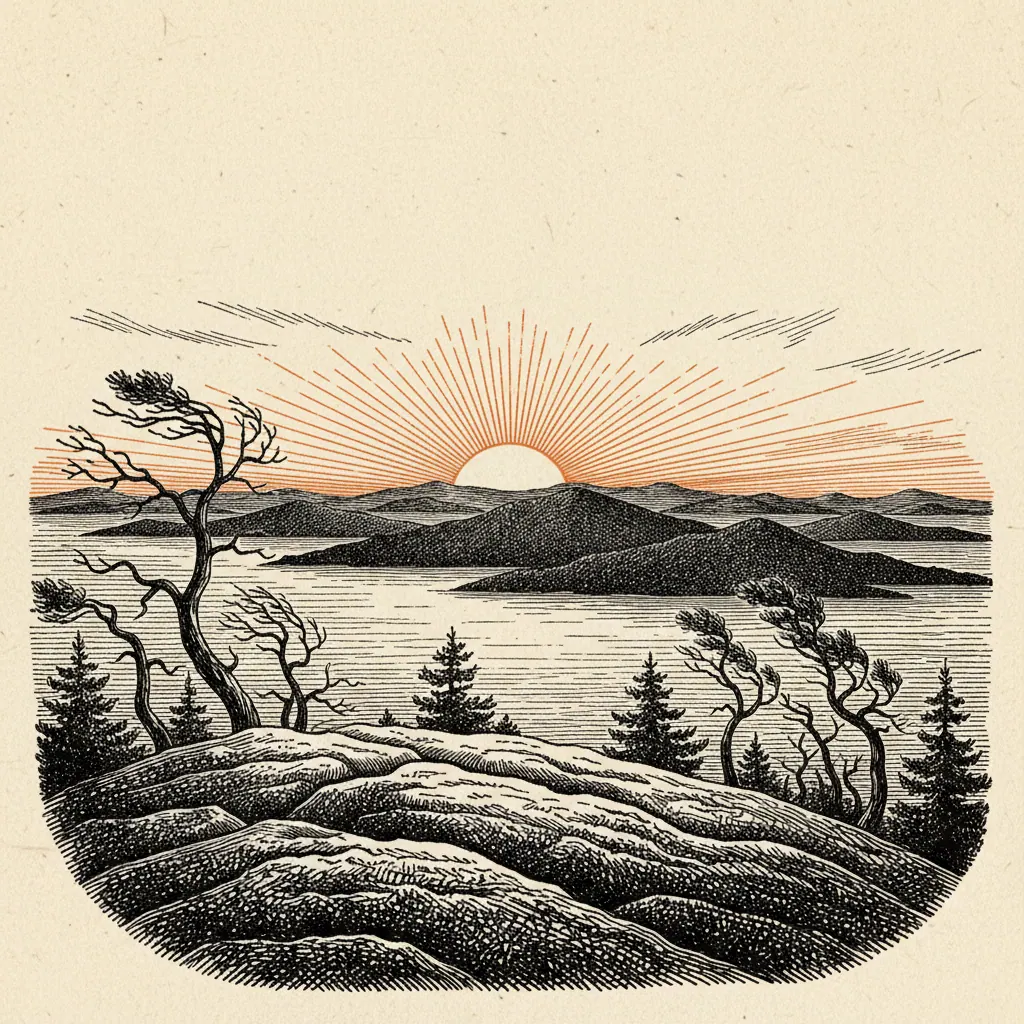
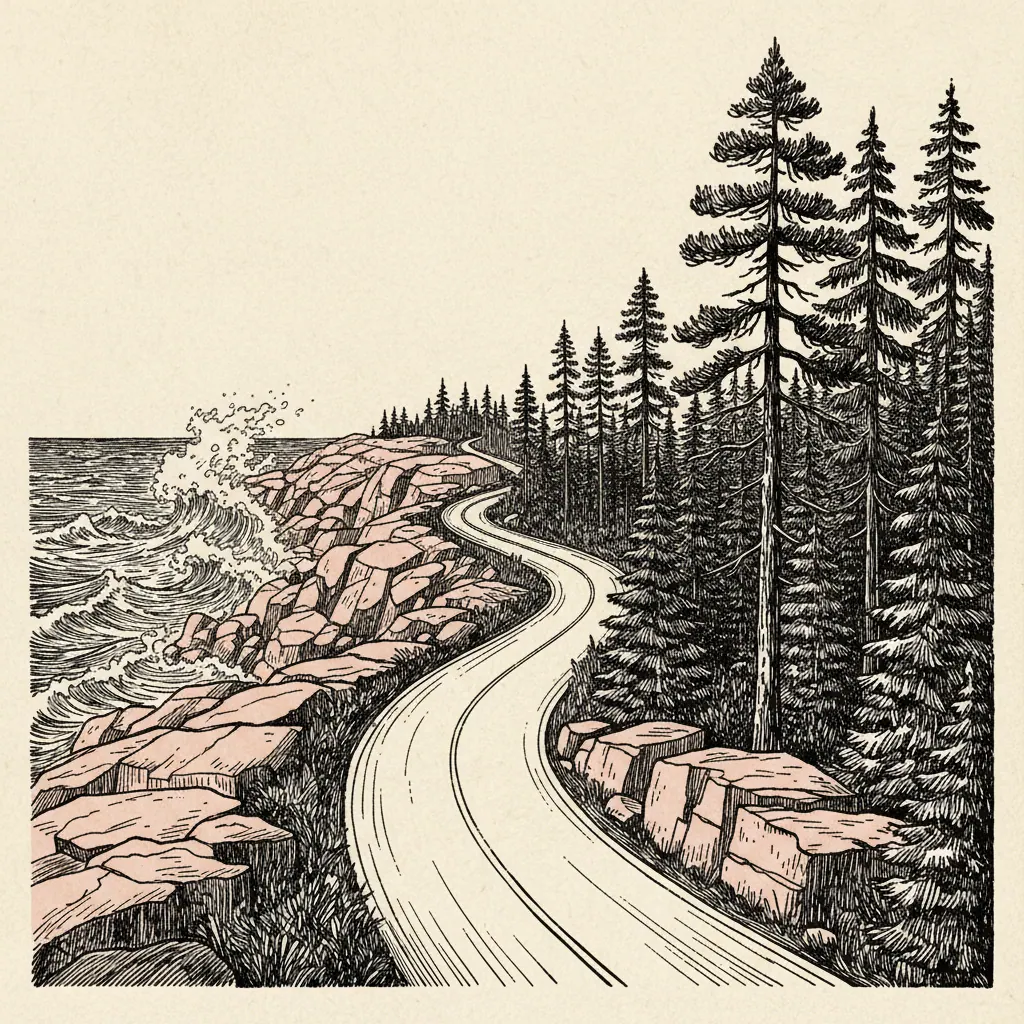
Jordan Pond is a glacial pond, about a mile and a half from the south end (where you sit) to the north end (where the Bubbles are). The bowl is held between Penobscot Mountain to the south and the twin Bubbles to the north, two near-symmetrical domes that were rounded into shape by the same ice sheet that scooped the pond. The lawn dining frames the Bubbles directly. The indoor dining room shows the same view through windows, but the angle is flatter and the air is conditioned, and there’s a reason regulars push for the lawn even when the wait is long. Late afternoon is the better light. Sunset in July hits the Bubbles around 7 pm, gold into pink, for about forty minutes before the bowl goes blue. If you time the 3-to-5 tea service late, you can walk down to the pond’s edge afterward and watch the color change. The natural pre-meal move is the Jordan Pond carriage road loop. Friends of Acadia lists it at 3.3 miles, mostly flat, a Rockefeller-era carriage road that runs the perimeter of the pond and returns you to the lawn. An hour and a quarter at a normal pace. You earn the popover.
Reservation Strategy and the Lawn Problem
The system is split. Indoor seating runs through OpenTable, and the kitchen recommends a reservation for parties of four or more during July and August. Make it a week out if you can. It is first-come, first-served, and that is the whole problem with the lawn. From 11:30 am (the opening) to about 4 pm in peak July, the wait runs 60 to 90 minutes. People accept this. They sit on the grass with the kids. They read a book. The wait is part of the experience, in the way that the wait at Red’s Eats in Wiscasset is part of the experience. You are buying the place as much as the food. Two strategies actually work. The first is to arrive at 11:00 sharp and put your name in for the 11:30 opening. You’ll be among the first seated, the kitchen is fresh, and you can be on the carriage road loop by 1. The second is to come for afternoon tea, 3 to 5 pm. The lawn turns over faster in that window because the lunch crowd clears and the tea service is shorter: popovers, a small cake selection, tea, the view. No lobster stew, no entrées. If the popover is what you came for, tea service is the cleanest path to it. The full lunch menu runs 11:30 to 3 and includes the lobster stew (the kitchen’s other long-running dish), a blueberry-glazed salmon, and an herb-roasted chicken. Dinner has been on and off the schedule depending on the season; check the current park concessioner page before you plan an evening around it.
Taking the Recipe Home
The gift shop on site sells the popover mix. This is not a tourist version of the recipe. The package is the kitchen’s working recipe, the same flour-and-egg ratio scaled down to a home box. Bring two home. One is for the test run, where you’ll learn what your oven does. The second is for the meal you actually cook for someone. A home oven and a popover pan (or a muffin pan, if you don’t own a popover pan) will reproduce the rise. The two rules are: preheat the pan, and do not open the oven door. Steam doesn’t recover from a temperature drop in the middle of the bake. The popovers will fall and you will be eating dense little egg muffins, which is not the dish. The butter-and-strawberry-jam protocol matters as much as the popover. The kitchen treats it as one dish, not three components, and the home version should too. Good butter, a European-style if you can find it, salted. Strawberry jam, not jelly, with visible fruit. Tea, real tea, brewed in a pot. Split the popover at the table the way they do on the lawn. Butter goes in while it’s hot enough to melt. Jam on top of the butter. Eat it before it cools. The popover is the same one the McIntyres were serving in 1893. The lawn faces the same Bubbles it faced when Theodore Roosevelt was president. The kitchen burned down in 1979 and the recipe survived. Some things in New England earn their tradition. This is one.