Cast-Iron Baked Bay Scallops
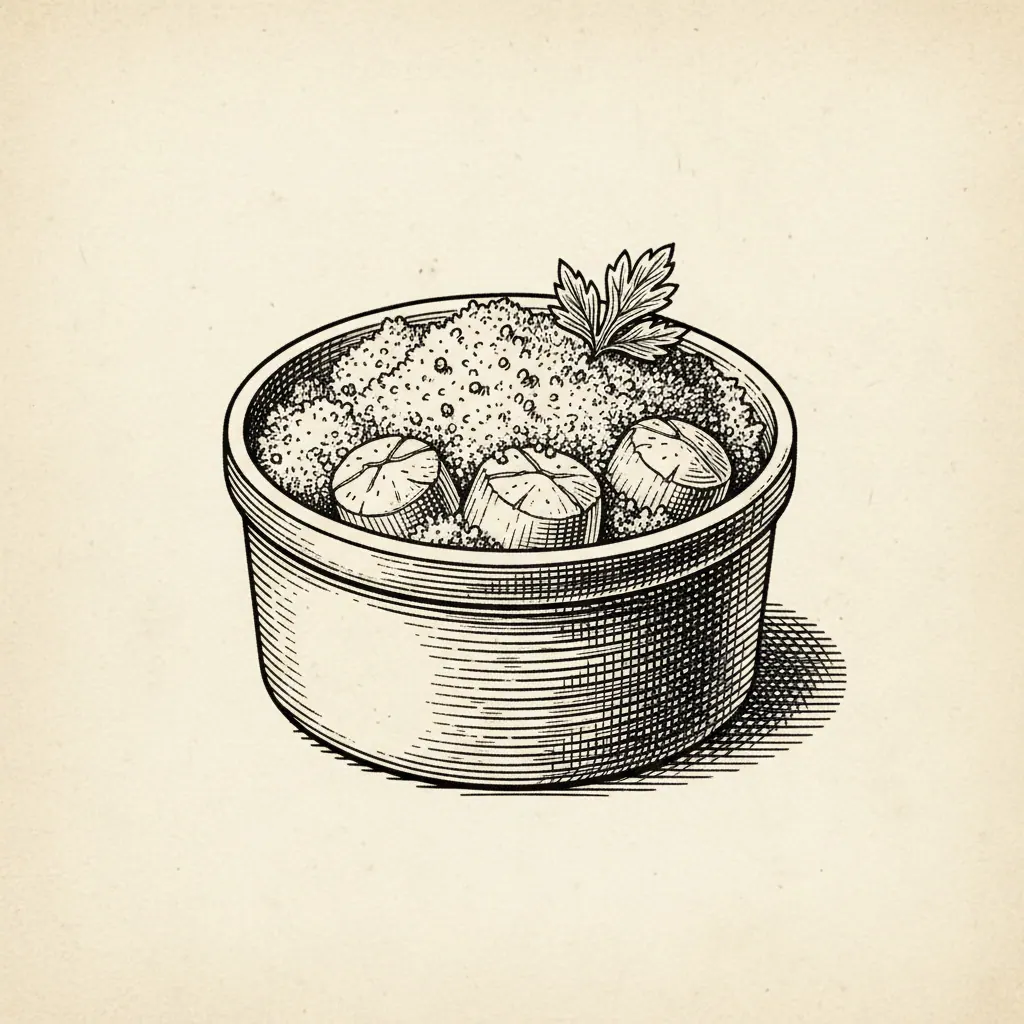
A simple New England baked bay scallops recipe — sweet bay scallops under a buttery cracker-and-Parmesan crust, finished in a cast iron skillet and served straight from the pan.
Bay scallops are sweeter and smaller than the sea scallops most people know, and they don’t need much help. Butter, crushed crackers, a little Parmesan, lemon, garlic salt. Thirty minutes in the oven and a quick run under the broiler.
I’ve adapted the recipe for a cast iron skillet because it heats more evenly than a casserole dish, and it looks better on the table when you bring it out hot. A 5-inch skillet is the right size for a pound of scallops — enough for two as a main, four as a starter.
Bay Scallops vs. Sea Scallops: What’s Actually Different
The two scallops most New Englanders cook with are not just the same animal at different sizes. They are two different species with different harvesting seasons, different flavors, and different ideal recipes — and getting the substitution wrong will break a dish.
Bay scallops (Argopecten irradians) are small (about a half-inch across, sometimes called “calico scallops” in the southern Atlantic versions), live in shallow estuarine bays from Cape Cod through Long Island Sound, and are harvested by hand-rake or small dredge from October through March. The Nantucket bay scallop fishery is the most famous and produces what restaurants advertise as “Nantucket bays” — a roughly 8-week season from November to mid-January, severely limited in volume since the eelgrass collapse of the 1980s.
Sea scallops (Placopecten magellanicus) are large (1.5 to 2 inches across), live offshore on the Continental Shelf at depths of 100 to 300 feet, and are harvested by deep-water dredge from New Bedford-based boats year-round under federal quota management. They are the scallop you find in restaurant entrées and most supermarket fresh-fish counters.
Six practical differences for the kitchen:
| Feature | Bay scallops | Sea scallops |
|---|---|---|
| Size | 1/2 inch | 1.5–2 inches |
| Sweetness | Higher — concentrated sugar from inshore feeding | Less sweet, brinier, more savory |
| Cook time | 6–8 minutes total | 2–3 minutes per side |
| Best technique | Baked, broiled, briefly sautéed | High-heat seared, grilled |
| Price (2026 average) | $24–32/lb fresh, $14–18/lb frozen | $32–42/lb fresh, $18–22/lb frozen |
| Season | October–March (best Nov–Jan) | Year-round, harvested daily |
The substitution rule: if a recipe is written for bay scallops, you can use sea scallops cut into quarters, but you’ll lose the natural sweetness and you’ll have to compensate with a touch more lemon or a splash of dry white wine. If a recipe is written for sea scallops (a hard sear, a crusted top, a meaty center), bay scallops will simply overcook and fall apart. They’re not interchangeable.
For the cast-iron baked recipe below, bay scallops are the correct choice because the cracker-crumb crust needs the smaller scallops to cook evenly under the topping. If all you can find are sea scallops, quarter them and shorten the bake to 20 minutes. The dish will work, but it won’t be the same.
Ingredients
- 1 pound bay scallops
- 1/2 cup (1 stick) butter
- 1/2 cup crushed butter crackers
- 1/4 cup grated Parmesan cheese
- 1 tablespoon lemon juice
- 1/4 teaspoon pepper
- 1/4 teaspoon garlic salt
Instructions
- Preheat the oven to 325°F.
- Place a tablespoon of the butter in the center of a 5-inch cast iron skillet over medium-low heat.
- While the butter melts, give the scallops a brief rinse and pat them dry with paper towels.
- Combine the cracker crumbs and Parmesan in a bowl.
- Once the butter has melted, add the scallops to the skillet in an even layer.
- Distribute the cracker crumb mixture evenly over the top.
- Drizzle the lemon juice over the scallops and crumbs, then season with the pepper and garlic salt.
- Slice the remaining butter into tablespoon pats and scatter them across the top of the skillet.
- Bake for 30 minutes.
- Turn the broiler to high and finish the top for the last two minutes, until browned.
- Serve hot, straight from the skillet.
Frequently Asked Questions
Can I use sea scallops instead of bay scallops? You can, but the dish changes. Sea scallops are larger and meatier — they’ll need more time in the oven and the cracker crust won’t cover them the same way. Bay scallops are sweeter and cook faster; that’s what the recipe is built around.
Why a 5-inch cast iron skillet and not a casserole dish? Cast iron holds heat evenly and comes out of the oven looking like something worth putting on the table. A casserole dish works, but the scallops can sit in pooled butter rather than cooking in it. The skillet keeps everything tighter and hotter.
Do I need to thaw frozen bay scallops before baking? Yes — thaw them fully in the refrigerator overnight, then rinse and pat dry before adding to the skillet. Excess moisture is the main thing that makes baked scallops watery instead of sweet.
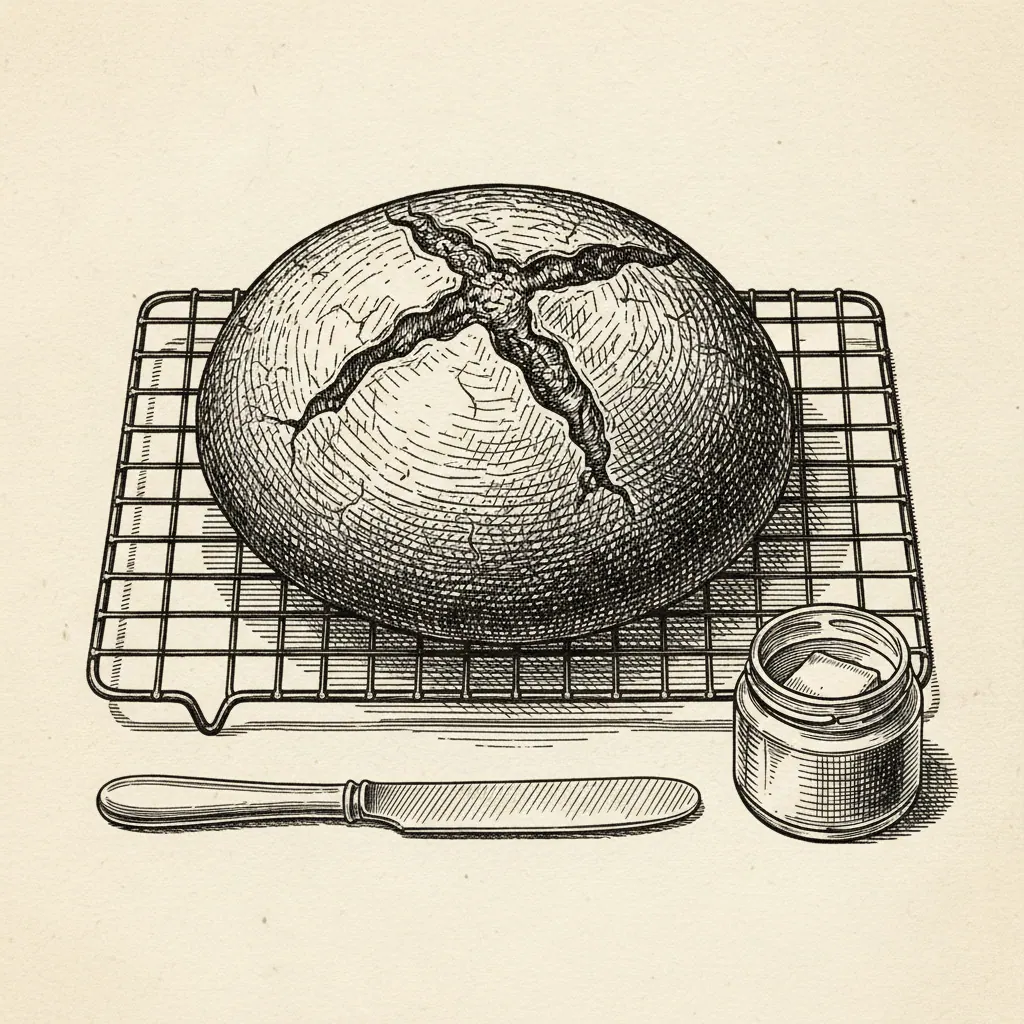
What do I serve with baked bay scallops? Crusty bread to catch the butter is the honest answer. A simple green salad or roasted asparagus works if you want a full plate. As a starter, they don’t need anything alongside them.