The New England Surf Spot Field Guide: Beaches, Swells, and the Tide-and-Wind Window
Eight named New England beach breaks plus the rare point breaks, with how to read swell, wind, and tide for whether they're working today.

Department
Hiking, fishing, skiing, foraging — four-season New England.
The New England outdoors does not run on the calendar tourism boards print. It runs on the actual sequence of the year: ice-out in April that opens the brook trout fishery, the spring run of striped bass through Buzzards Bay and up the coast, the wildflower window in May, the chanterelle flush in late June through August in central Maine, the September-October fall run of stripers heading south, the foliage peak that’s actually a different week in northern Vermont than it is on Cape Cod, the mud-week before the snow, the ski season that no longer reliably starts in December, the ice-fishing window that’s measurably shorter than it was twenty years ago.
This section is built around that real calendar. Each piece gives you the timing first — when something is in, where it’s in, and the conditions that move it around — and then the practical scaffolding to get out and do it. The editorial bias is toward earned outdoors, not Instagram outdoors. We’d rather tell you the trail isn’t worth the drive than tell you it is because the photo is good.
Hiking & trails. The four-thousand-footers and the forty-minute walks. The Whites, the Greens, Acadia, the Berkshires, the Connecticut hills that nobody talks about. Family hikes that don’t pretend kids are adults. Foliage hikes where you’re not parked on the side of Route 16 with a hundred other cars. The Franconia Ridge Loop, which deserves the reputation. Mount Pemigewasset, which doesn’t have it but should.
Fishing. Striper season May through October on the New England coast — surfcasting from the rocks, fly from the flats, boat from the bays. Brook trout in cold-water Vermont streams. Ice fishing as a day activity for people who don’t want to inherit a shanty. The gear that actually matters versus the gear catalogs claim does. When the bait runs and what the fish eat that week.
Skiing & winter sports. Six NE ski resorts worth the drive in the post-Vail-and-Boyne era and three that have lost the plot. Cross-country networks that beat the lift-line economics. Snowshoe trails that aren’t the ones everyone cribs from the same five guidebooks. The case for early-March in northern Vermont over February anywhere south.
Foraging. Chanterelles in Maine without killing yourself (jack-o’-lantern lookalikes are the lesson). Wild blueberries in the barrens of Washington County. Fiddleheads in the spring window before they unfurl. The honest version: foraging in New England is mostly identifying what you can’t safely eat, and the ratio of calories spent to calories gained doesn’t favor you. Do it for the woods, not the harvest.
Coastal & water. Tide chart reading without pretending you know what you’re doing. Clamming the flats in Ipswich, Plum Island, the back side of the Cape. Kayaking the salt rivers of the North Shore. Cold-water swimming for people who grew up swimming in New England water; warning labels for everyone else.
Wildlife & natural phenomena. Spring peepers and when they actually start (the calendar moves north over six weeks). Sea smoke on the Maine coast in January. Bald eagles along the Mohawk Trail (Mass Audubon’s count is up). The peregrines on the bridges in Boston. The harbor seals at Plymouth.
Every piece in this section gets the same three checks. The first is: is the timing right? An outdoors article published two weeks late is worse than no article — it sends people out to a fishery that’s closed or a trail that’s mid-mud. The second: is the gear claim defensible? We name brands when we mean to name them, and we tell you what we use, what we’d use again, and what we’d swap. The third: is the place claim accurate? We don’t recommend a hike we haven’t done. Where the writer hasn’t done it, we say so and source the recommendation to a named local guidebook, a working naturalist, or a state-park ranger who’s on record.
The outdoors here is real outdoors. Black bears in northern New Hampshire, hypothermia on the Whites in any month, riptides off Nauset, ticks more or less everywhere from May through October. The pieces that touch on safety treat it as a fact, not a disclaimer. If you’re new to a thing — ice, surf, firearms, mushrooms — start with the pieces flagged “beginner” and don’t move past them until you’ve put real time in. New England has plenty of working professionals — guides, rangers, naturalists, instructors — who will trade their afternoon for less than the cost of a bad day.
All entries
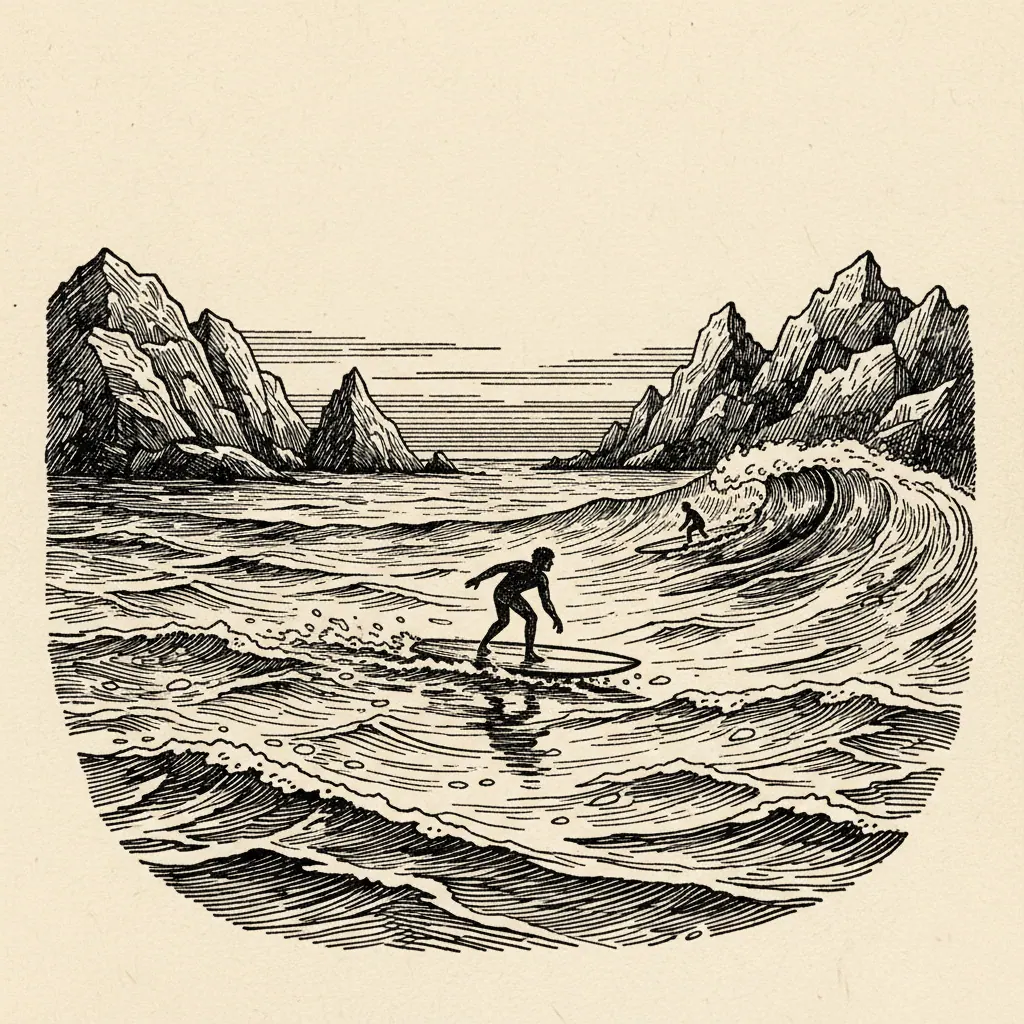
Eight named New England beach breaks plus the rare point breaks, with how to read swell, wind, and tide for whether they're working today.
Thirty New England ski resorts ranked by trip type — destination, regional, local hill — with vertical, season, pass coverage, and Saturday-line reality.
When New England's spring peepers start calling, where to hear them, and the nine-day shift in the chorus window scientists have measured since 1971.
When the air drops to zero and the ocean is still 38, the coast steams. Six places where January sea smoke is most reliable, with photography notes and safety reality.
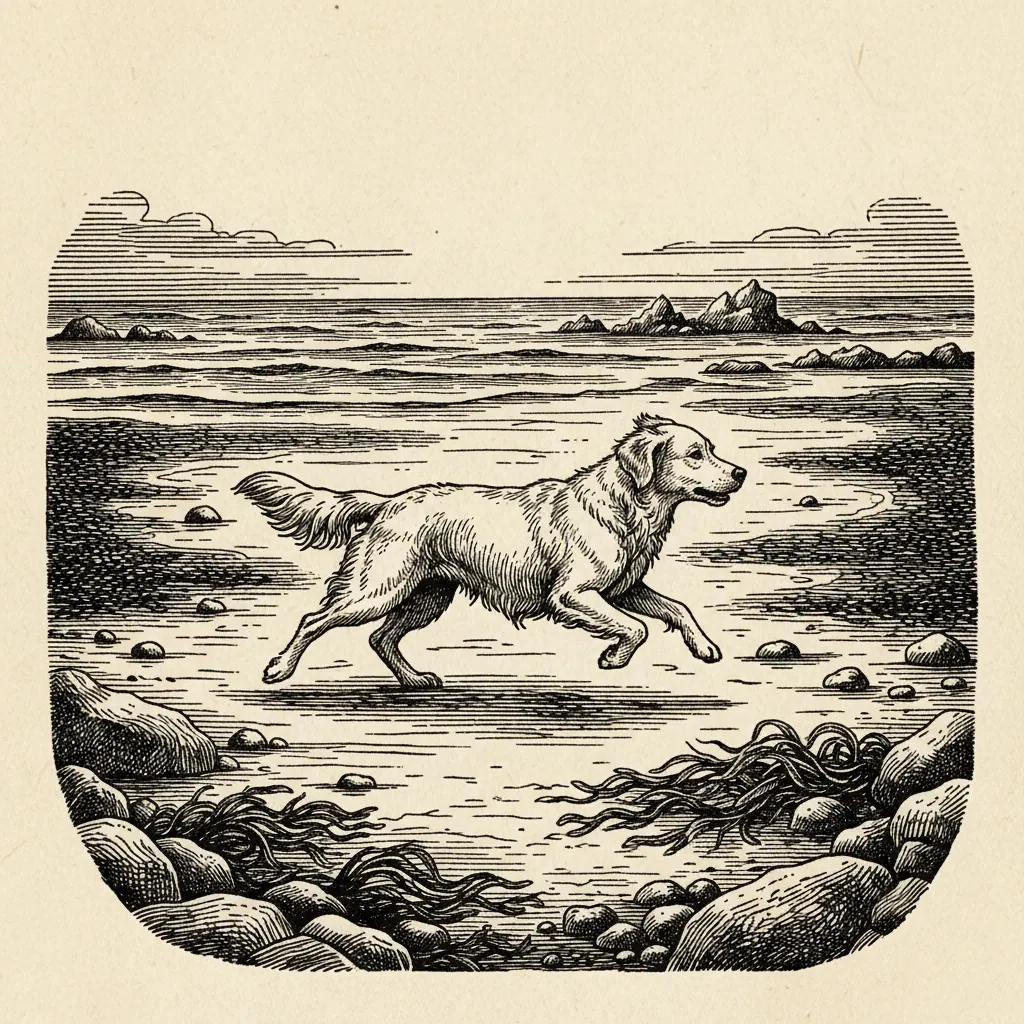
When and where dogs are welcome on New England beaches. The off-season rule, the year-round exceptions, and the towns that fine for violations.
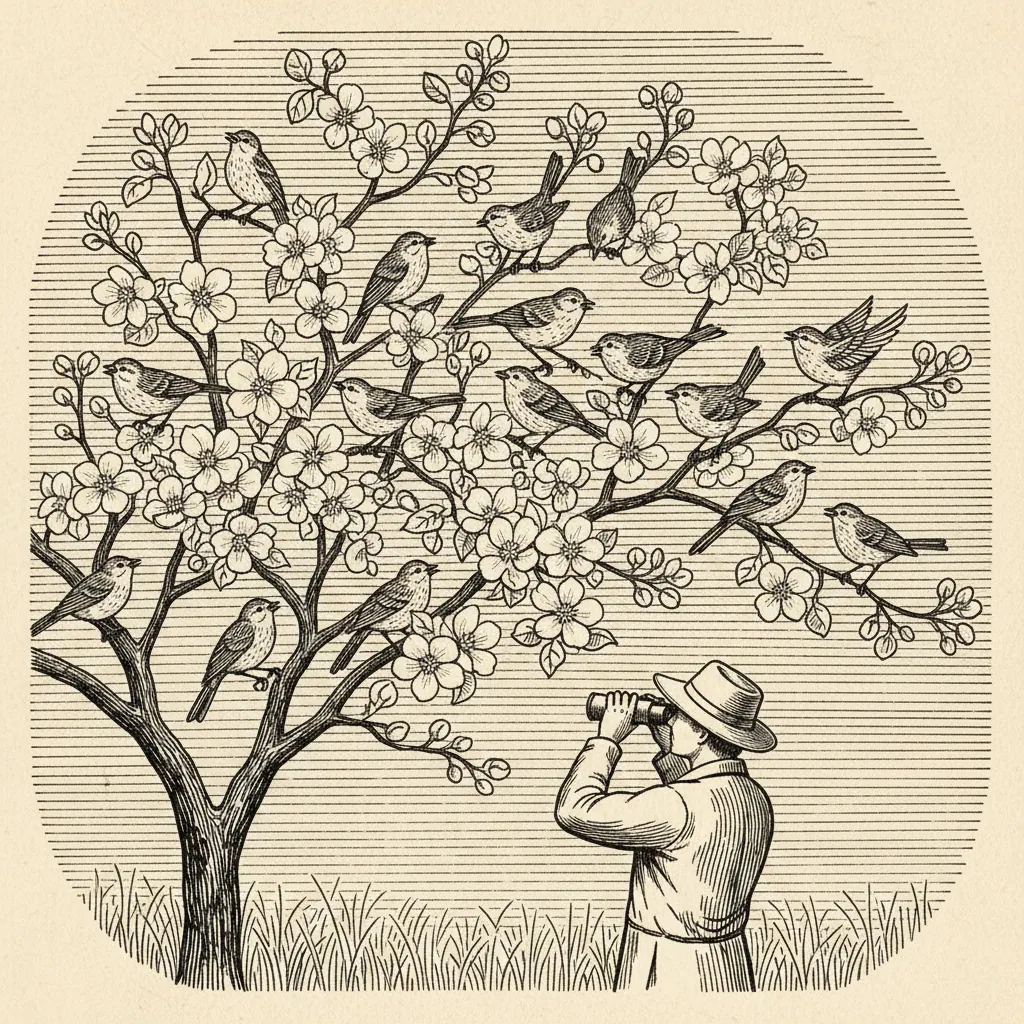
Twenty IBAs across New England with their migration windows. Mount Auburn for warblers, Wachusett for hawk watch, Plum Island for waterfowl.
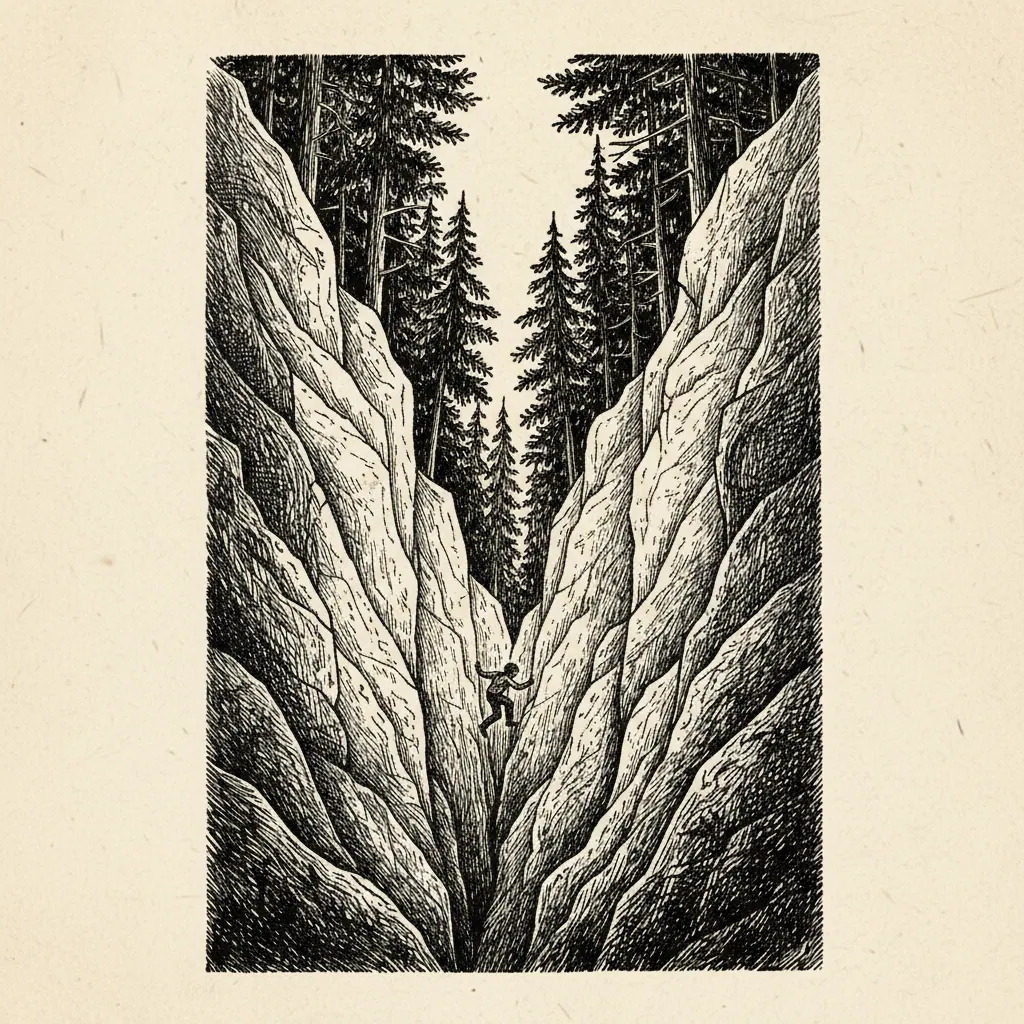
A 70-foot granite slot canyon in Sutton, Massachusetts that beats every other family hike in the state. What to bring, what to skip, and how to time the visit.
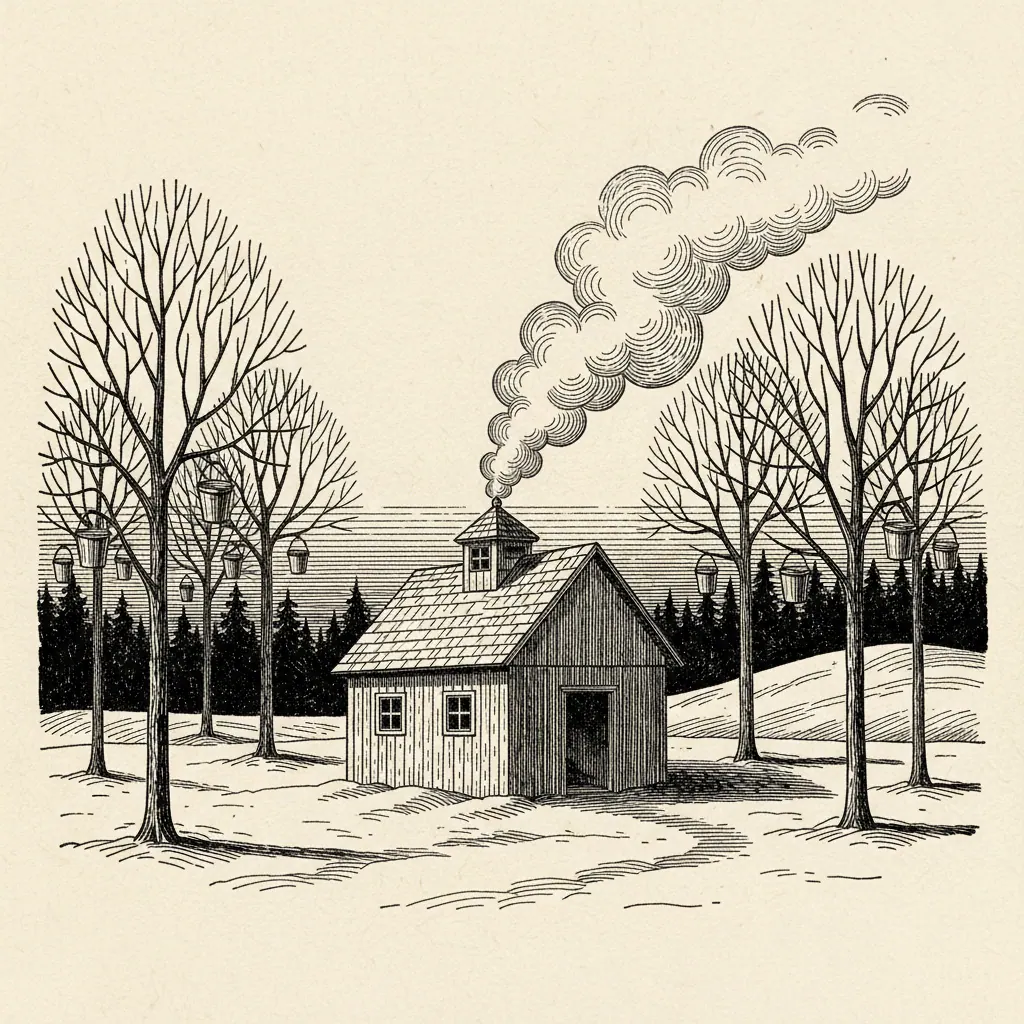
Six different answers to 'when is sugaring season,' depending on latitude and elevation. Open-house weekends, six sugarhouses worth driving to, and how to read the new grades.
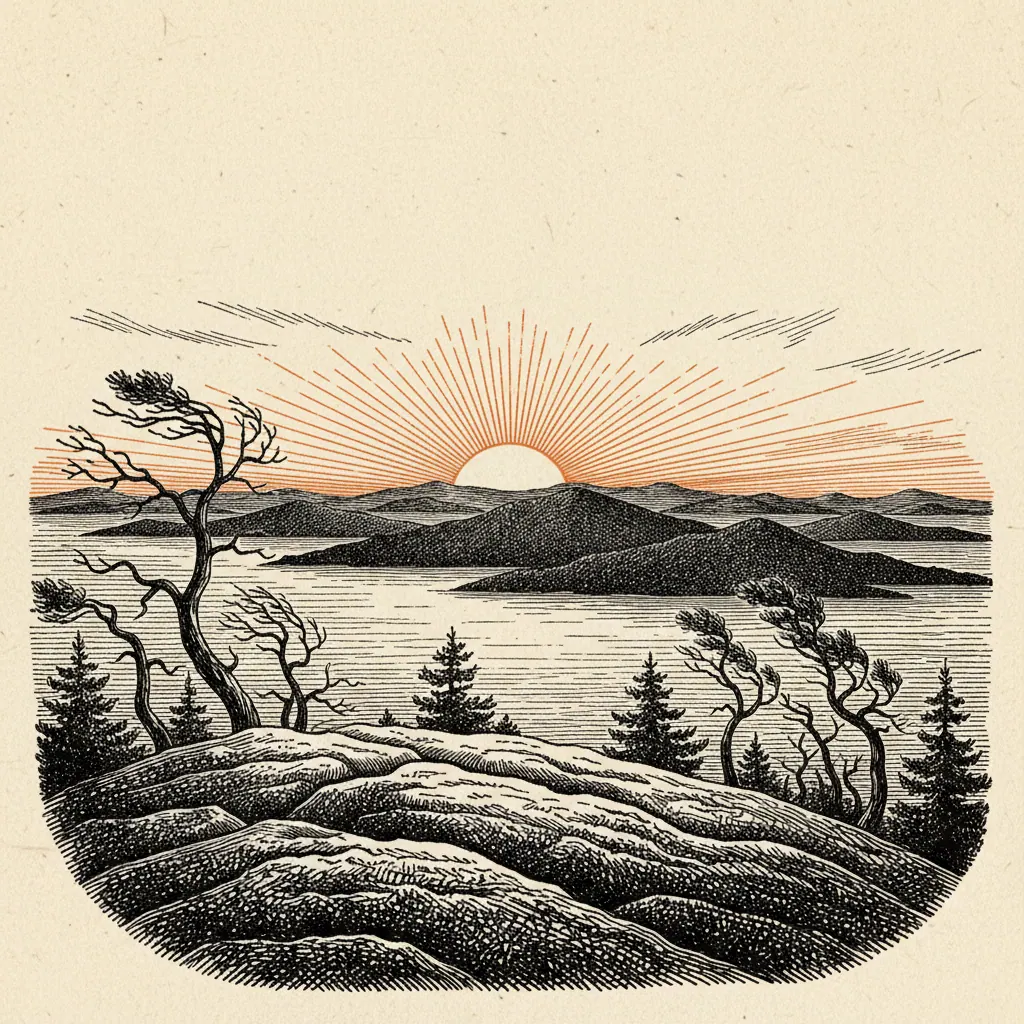
How to get a sunrise reservation for Cadillac Mountain. The timed-entry system, the weather window, and where to stand for the best view.
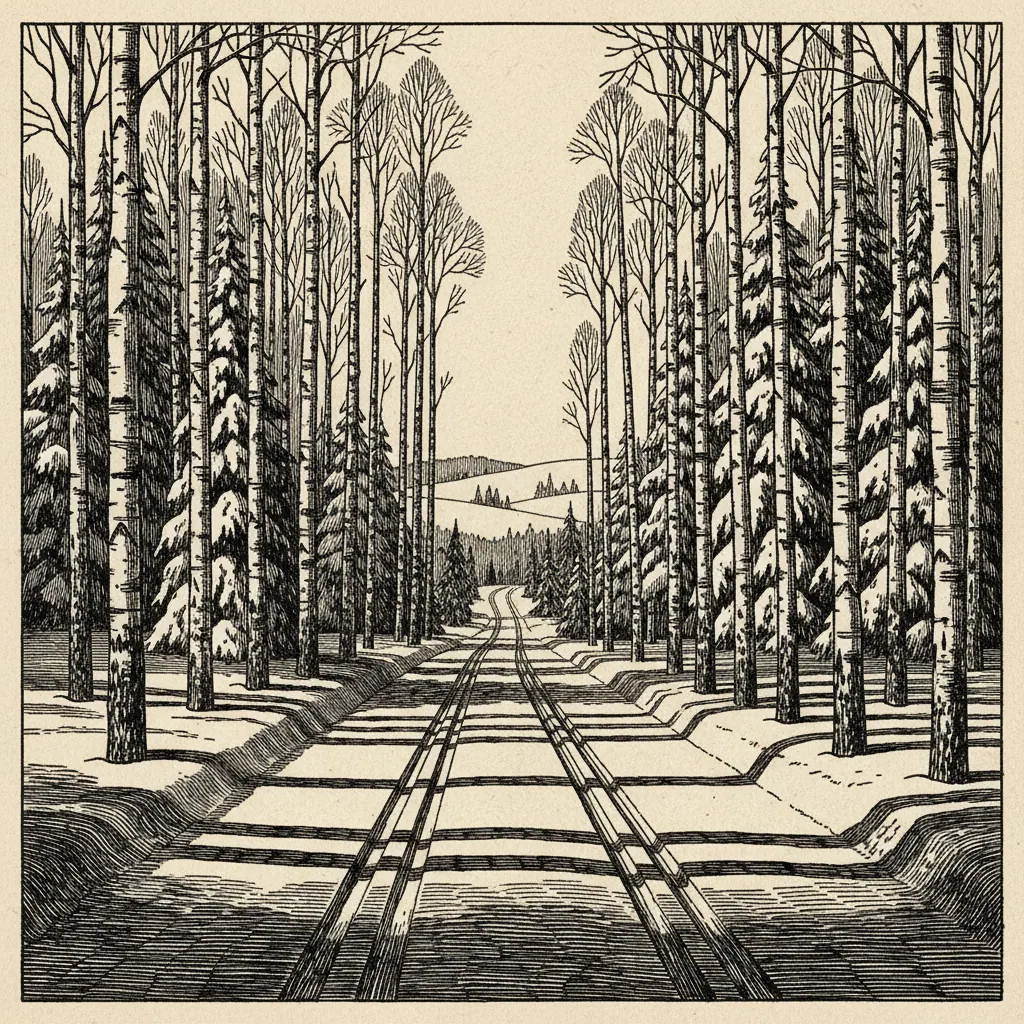
The park goes quiet December through March. Cross-country skiing on the carriage roads, snowshoeing, sub-arctic light on the granite.
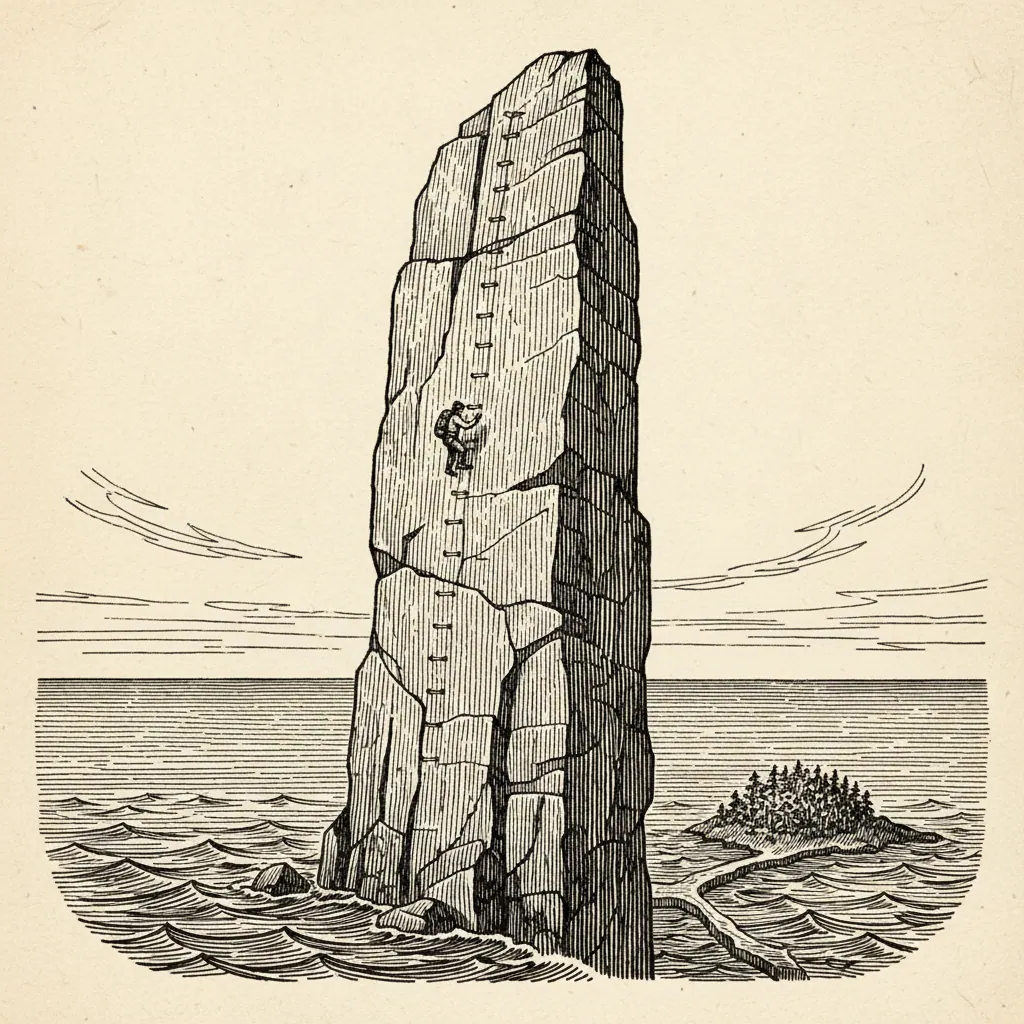
New England's most-famous vertigo hike. Iron rungs, narrow ledges, peregrine falcon closure, and who should not attempt it.
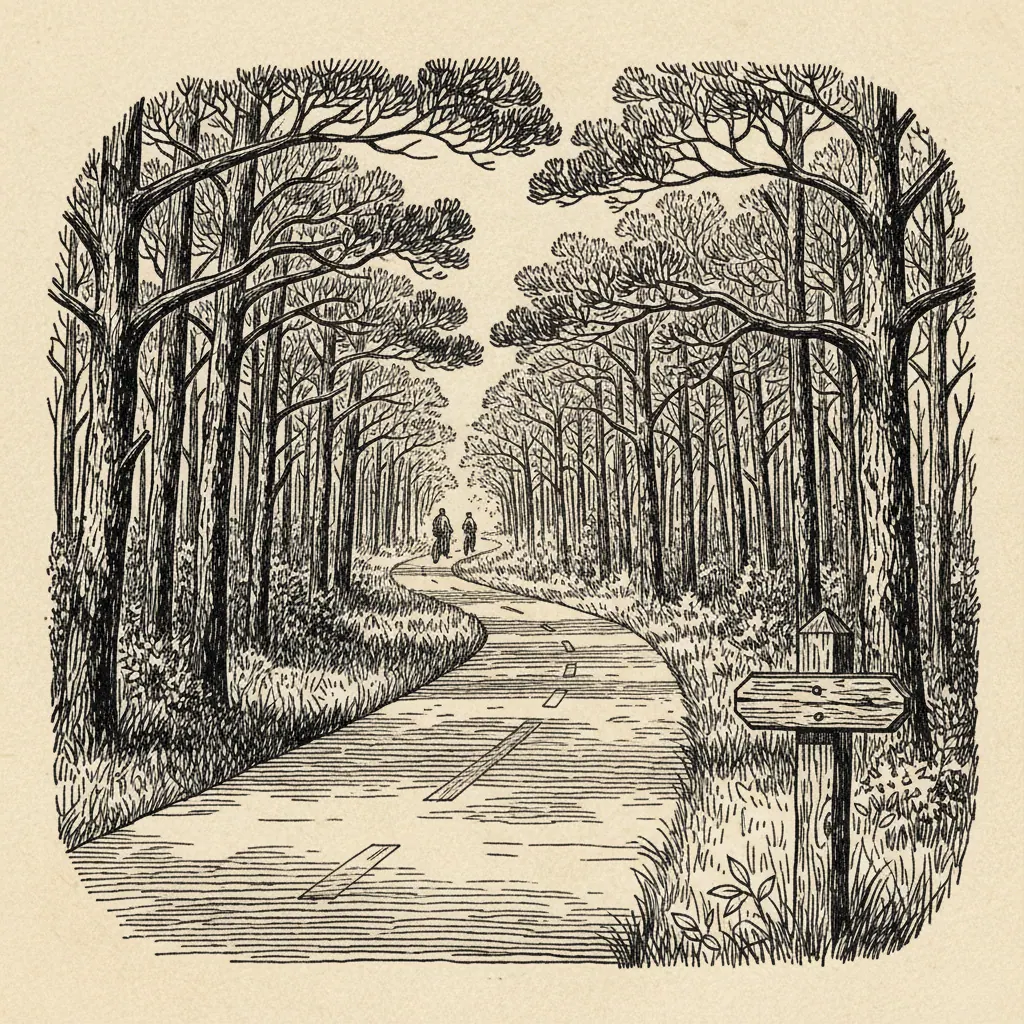
All 27.5 miles, mile by mile. Parking that's actually findable, where to eat along the route, the spurs worth riding, and the four months of the year locals quietly prefer.
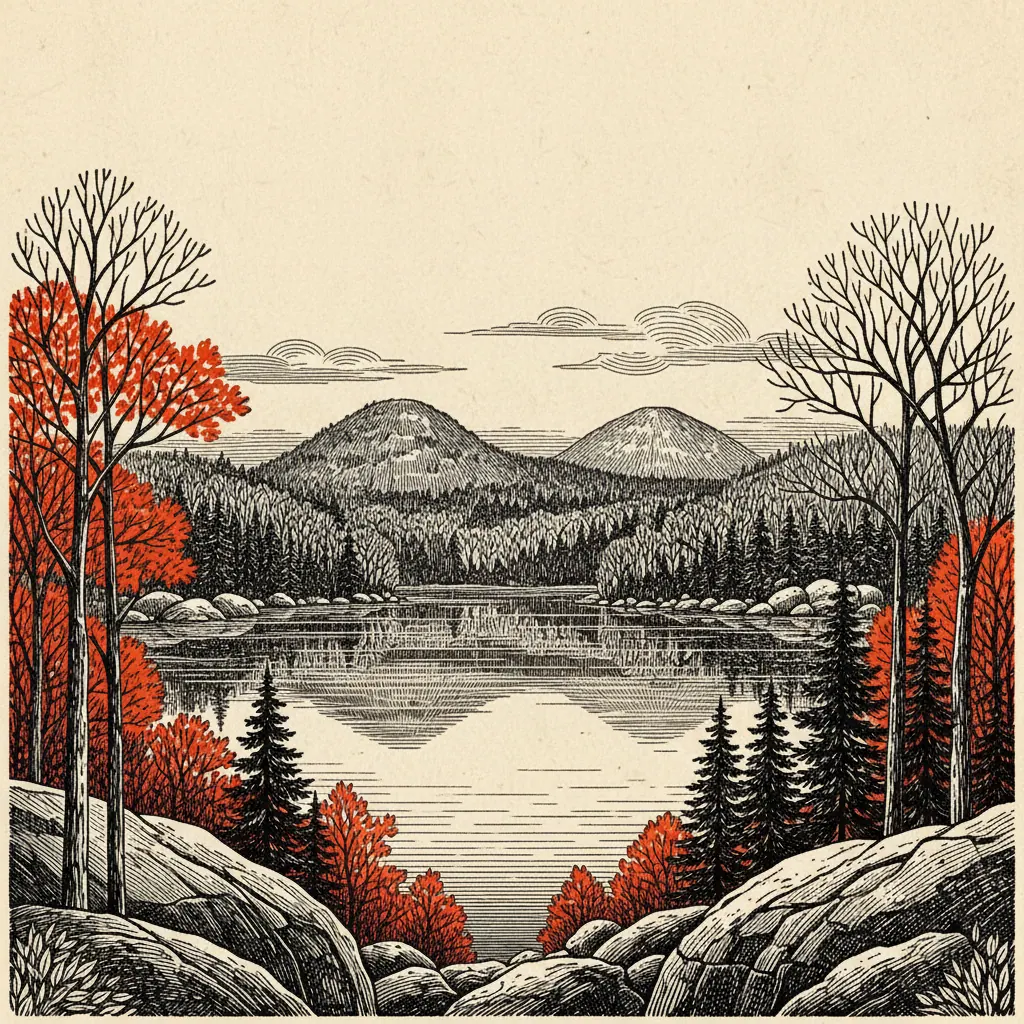
Acadia's two-week peak foliage window runs October 5-18 in a typical year. Where to be, when to photograph, and what's open and closing.
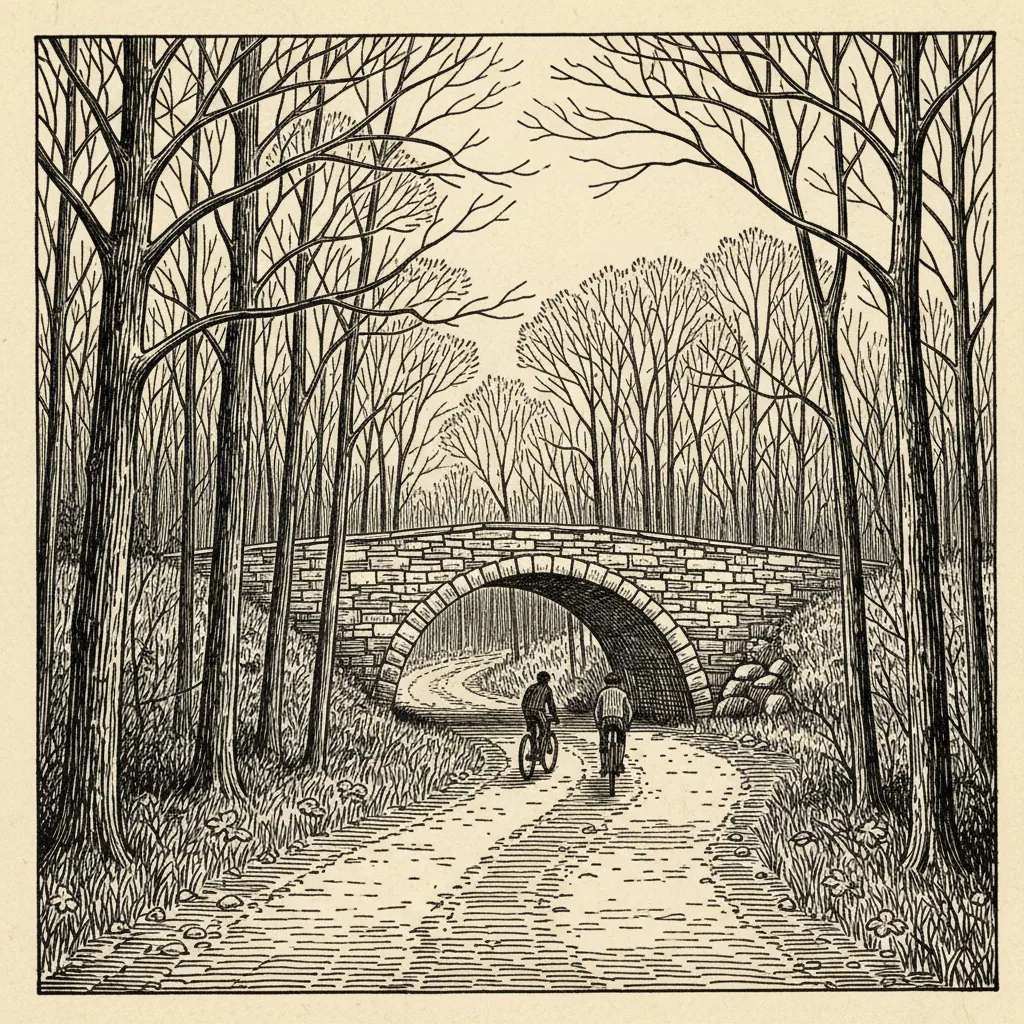
Forty-five miles of crushed-stone carriage roads, sixteen Rockefeller-built stone bridges, and a cyclist's field guide to the named loops.
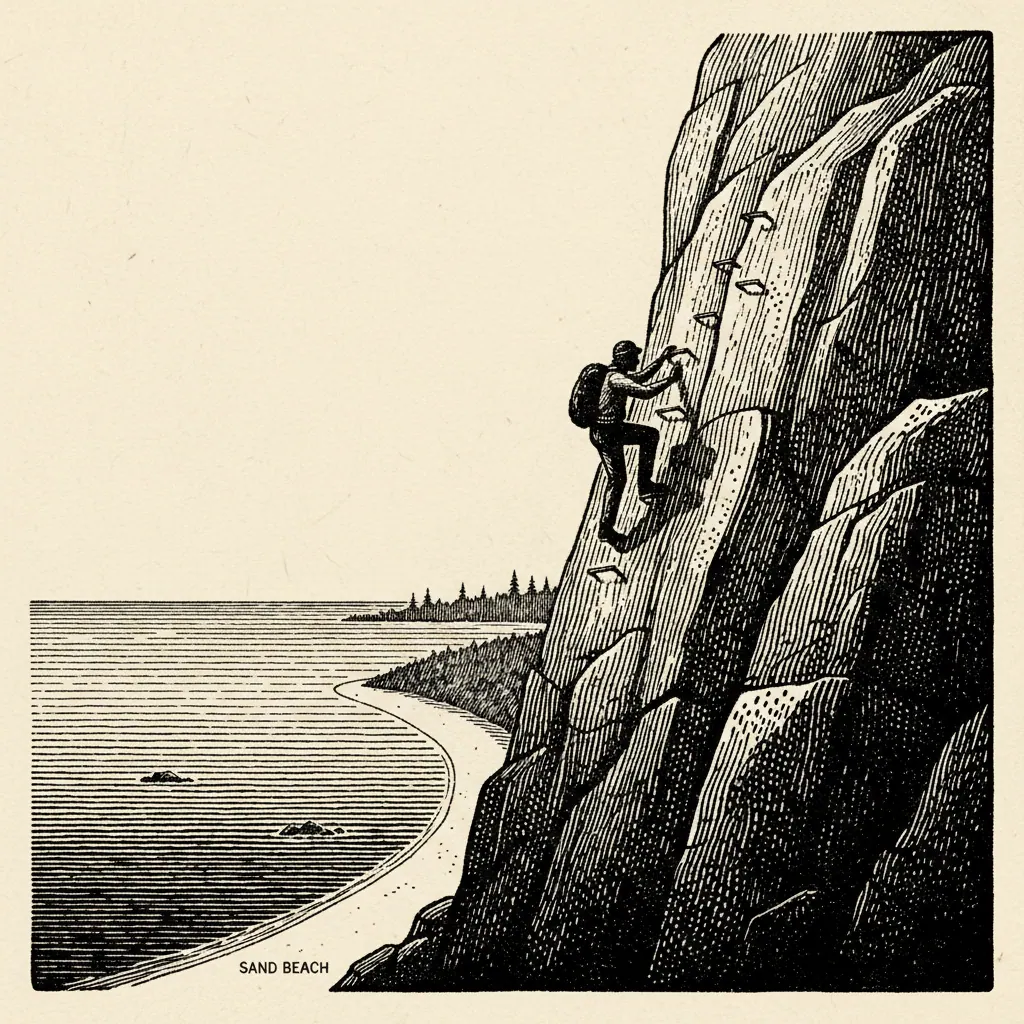
Iron rungs on exposed granite, 1.4-mile loop, 450-foot vertical climb. The most-attempted scary hike in New England — what to know before you go.
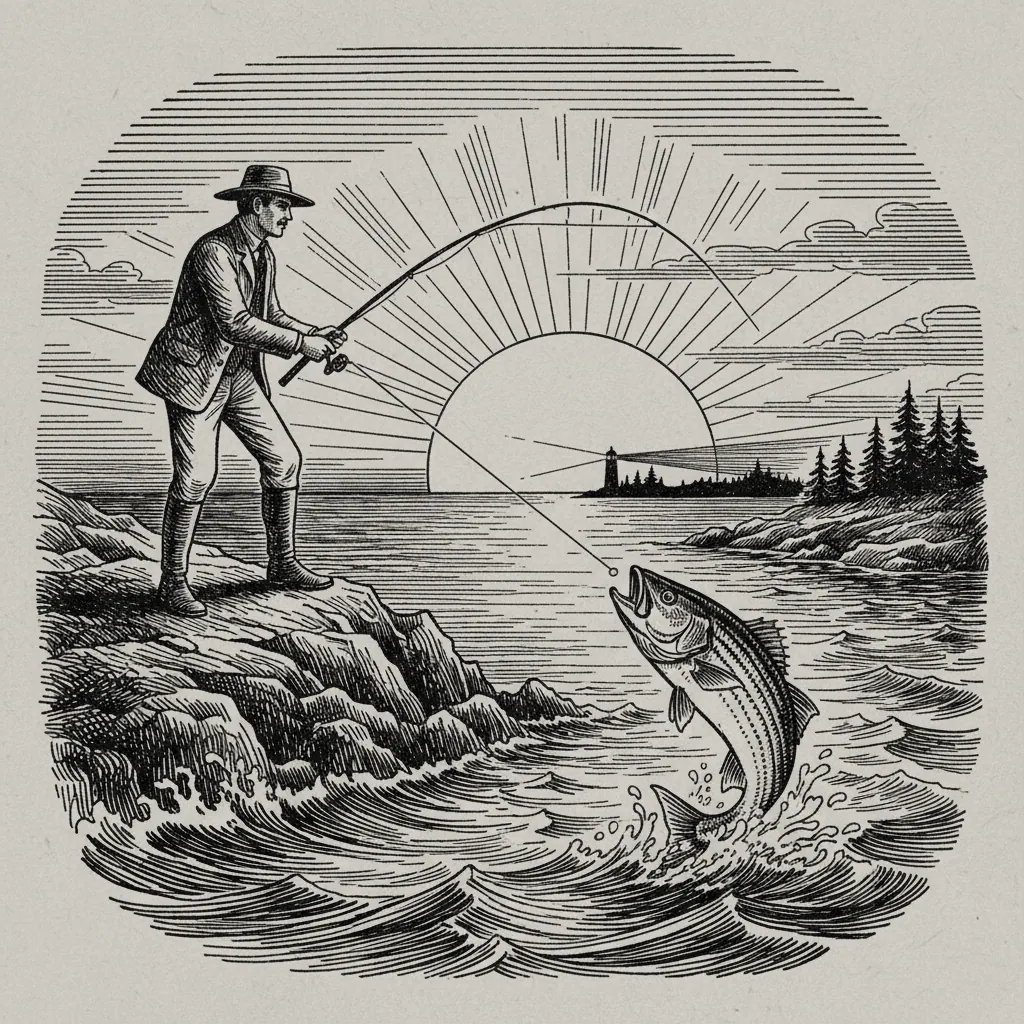
Striped bass run the New England coast from May through October. Where to find them, what they eat, and how to rig for them — from the surf and from a boat.