Boston Baked Beans: The Recipe and the History Behind the Pot
Boston didn't earn the name Bean Town for nothing. The history behind the pot, plus my recipe for navy beans, salt pork, and molasses baked low and slow.
Boston didn’t earn the name Bean Town for nothing.
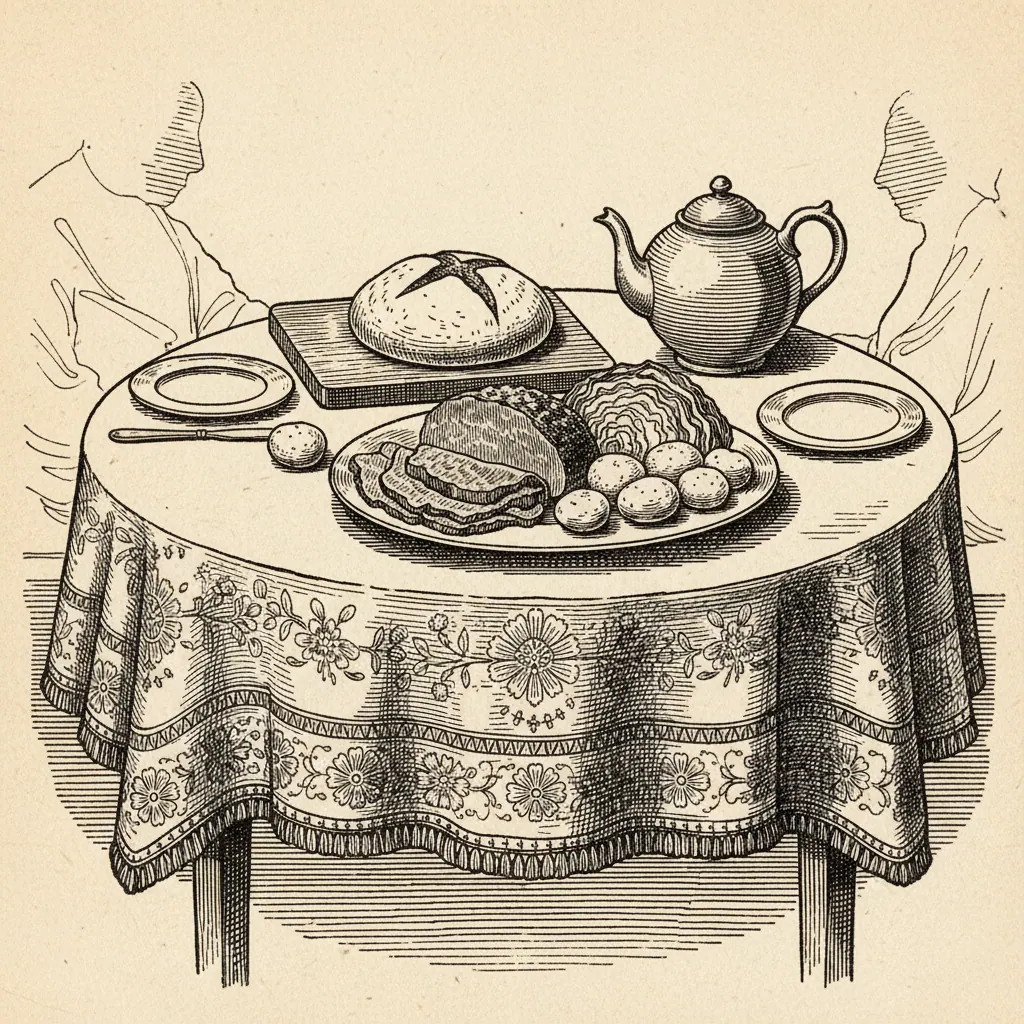
The dish predates the Pilgrims. Native Americans were cooking beans sweetened with maple syrup and serving them alongside a corn bread called mazium well before the colonists arrived. When the Pilgrims landed, they combined their rye flour with corn meal to make a new brown bread, and baked beans became a weekly staple. Sunday was the Sabbath, so every Saturday night the beans went into a clay pot on the hearth of the fireplace to cook overnight, ready for the next day.
By the late 1700s, Boston had become a hub of the Triangle Trade, importing slaves, molasses, and other goods from the West Indies. The recipe evolved to include molasses and salt pork, and that’s roughly the version we still bake today.
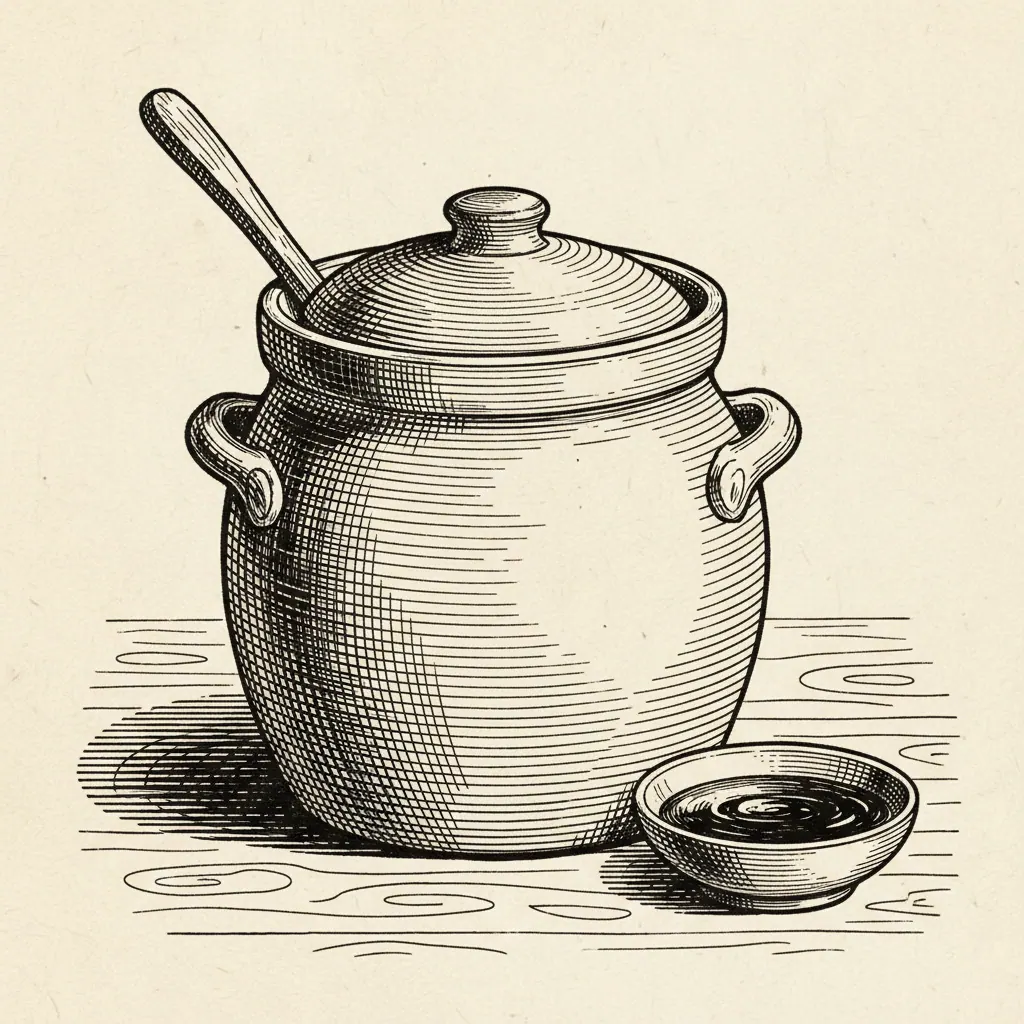
The bean pot itself became a Boston symbol thanks to the Beverly Pottery Company of Beverly, Massachusetts, which produced thousands of miniature bean pots for Civil War troops to carry as souvenirs. The shape stuck.
Enough history. Here’s the recipe.
Ingredients
- 1 lb dried navy beans
- 1/2 teaspoon baking soda
- 1/2 lb salt pork
- 1/3 cup molasses
- 1/2 medium onion
- 4 tablespoons sugar
- 1 teaspoon dry mustard
- 1 teaspoon salt
- 1/4 teaspoon pepper
Directions
- Soak the beans overnight.
- In the morning, preheat the oven to 325°F.
- Fill a Dutch oven halfway with water and add the baking soda. Bring to a boil.
- Add the beans and boil for another 10 minutes.
- Drain the beans in a colander and chill them under cold running water to stop the cooking. Set aside.
- Slice the salt pork into 1-inch cubes. Add half the pork and the onion to the bottom of the bean pot.
- Pour the beans into the pot and layer the remaining salt pork on top.
- Combine the sugar, molasses, mustard, salt, and pepper with 3 cups of hot water. Stir until well blended, then pour over the beans.
- Cover with the bean pot lid, place in the preheated oven, and bake for 6 hours.
- Check the pot every hour or so to make sure the beans stay moist. Like plants, don’t over-water them.
- When finished, pull the pot from the oven and serve with a warm piece of brown bread.
Enjoy.
Vegetarian Boston Baked Beans: A Real Substitute, Not a Compromise
Salt pork has been the fat in this recipe for three hundred years and it would be dishonest to pretend it doesn’t matter. It renders slowly across a six-hour bake, seasons the navy beans from the inside out, and produces a glossy, almost lacquered finish on the top crust that no other fat replicates exactly.
That said, a serious vegetarian version is achievable — not by leaving the salt pork out, but by replacing the function it performs. The fat, the salt, and the slow rendering all need substitutes.
The recipe below has been adapted from the New England Vegetarian Cookbook and from variations that appeared in Yankee Magazine’s 2017 vegetarian comfort-food issue. It is not the same dish; it is a defensible cousin.
Vegetarian Adaptation
Replace the 1/2 pound salt pork with all of the following:
- 3 tablespoons cold-pressed dark sesame oil (the unrefined kind from Asian groceries; the toasted aroma reads as savory under molasses, not as salad dressing)
- 2 teaspoons soy sauce (Tamari for gluten-free; the salt content roughly matches what the salt pork would have rendered)
- 1 tablespoon white miso paste (umami substitute for the long-cooked rendered fat depth)
- 2 tablespoons additional molasses (the extra molasses thickens the glaze the rendered pork fat would have produced)
- 1/2 teaspoon liquid smoke (optional but recommended; replaces the smoky char that salt pork develops on the top of the pot during the long bake)
Method changes: skip the salt-pork layering steps (steps 6 and 7). Whisk the sesame oil, soy, miso, and liquid smoke into the molasses-sugar-mustard slurry in step 8. Proceed with the bake as written. The check-every-hour rule (step 10) becomes more important — without the rendered fat, the beans dry out faster, so you’ll need to add a quarter-cup of hot water at hour three and again at hour five if the surface looks dull.
The final dish has roughly 80% of the depth of a pork-fat baked bean, slightly higher sweetness, and a glossier finish from the extra molasses. It pairs identically with brown bread and works as a Saturday-night supper without apology. It is not, and shouldn’t try to be, a perfect imitation.
A few notes on what doesn’t work as a substitute. Olive oil is too clean-tasting and lacks the umami depth. Butter breaks down over six hours and turns the dish greasy rather than rich. Bacon-substitute products (smoked tempeh, vegetarian bacon strips) tend to disintegrate in liquid and contribute a chemical smoke flavor that overwhelms the molasses. The sesame-oil-and-miso approach above is the cleanest engineering solution to the problem the salt pork solves.
Vegan Variation
The recipe above is already vegan if you confirm your molasses brand is unfiltered (some industrial molasses uses bone char in processing — Brer Rabbit and Grandma’s are both vegan-confirmed; sulfured molasses is generally vegan; check the brand if it matters to you). The recipe contains no dairy, eggs, or honey.
Frequently Asked Questions
Why are Boston baked beans made with molasses? Molasses entered the recipe through Boston’s role in the Triangle Trade. By the late 1700s the city was importing molasses from the West Indies in volume, and it was cheap enough to cook with. It replaced the maple syrup Native Americans had used and gave the dish the dark, slightly bitter sweetness it still has today.
Why were baked beans a Saturday night tradition in New England? Puritan Sabbath law prohibited cooking on Sunday. So the beans went into a clay pot on the hearth Saturday night, cooked low and slow overnight, and were ready to eat after church the next day. The tradition stuck long after the religious obligation faded.
What kind of pot should I use for Boston baked beans? A traditional ceramic bean pot is ideal — the shape traps steam and keeps the beans moist through a long bake. A Dutch oven works as a practical substitute. The Beverly Pottery Company of Beverly, Massachusetts helped make the bean pot shape iconic by producing thousands of miniature versions as Civil War souvenirs.
Can I substitute the salt pork in this recipe? Salt pork is the traditional fat and it matters — it renders slowly over six hours and seasons the beans from the inside out. Thick-cut bacon is the most common substitute, though it will give you a smokier result. Skip the pork entirely and you’ll need to compensate with extra salt and a neutral oil to keep the beans from drying out.