Boston Brown Bread
A steamed colonial loaf of rye, cornmeal, and molasses — the bread the Pilgrims learned to make when wheat was scarce and ovens were a fireplace hearth.
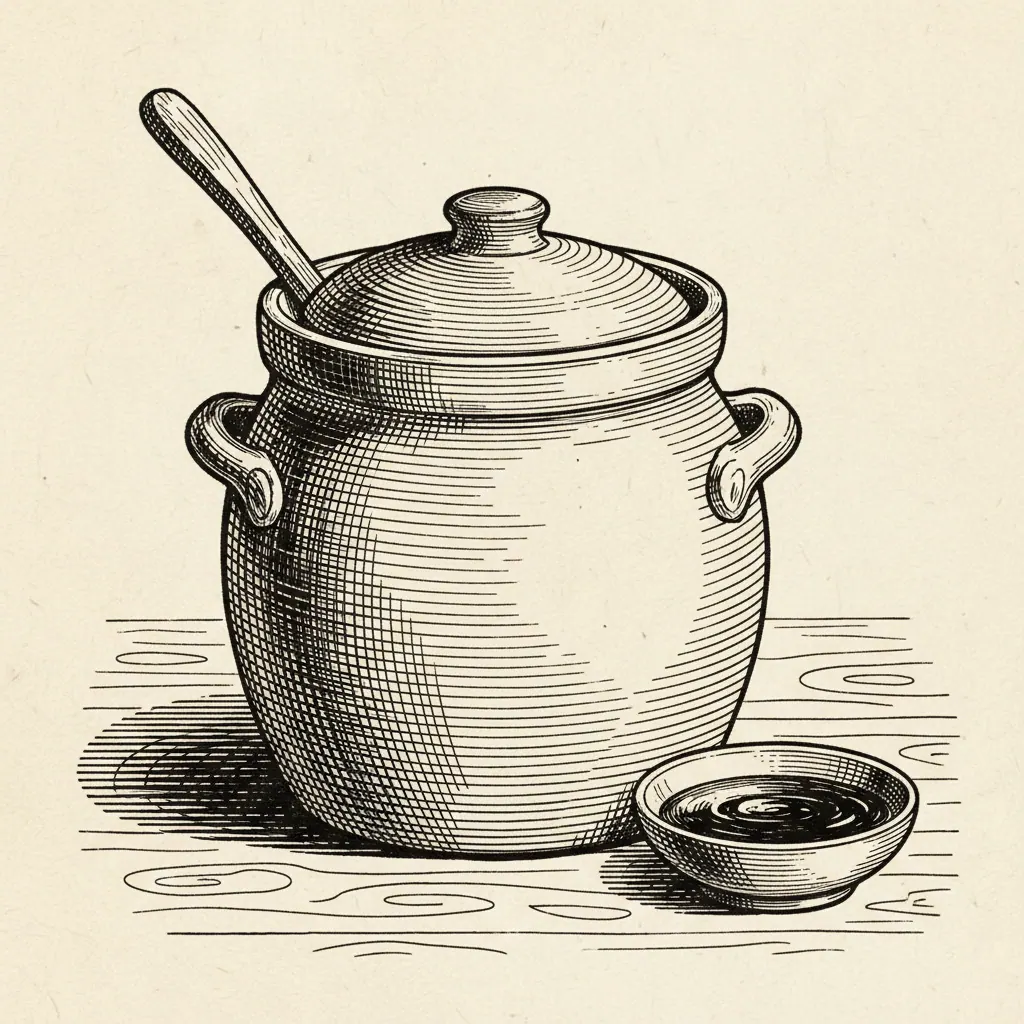
Boston brown bread is one of those recipes that exists because of what the cooks didn’t have. No wheat to spare. No oven. A fireplace, a tin can, and a kettle of boiling water. What came out of that constraint is a dense, dark, faintly sweet loaf that’s been on New England tables for nearly four hundred years.
The history runs back to early colonial times. Before the Pilgrims landed at Plymouth, they spent time in Holland, where they grew accustomed to the dark Dutch breads made from rye and barley. Once in America, the colonists planted those same darker grains to stretch their wheat harvests, and combined the limited wheat flour with rye, cornmeal, molasses, and water to make what they called brown bread.
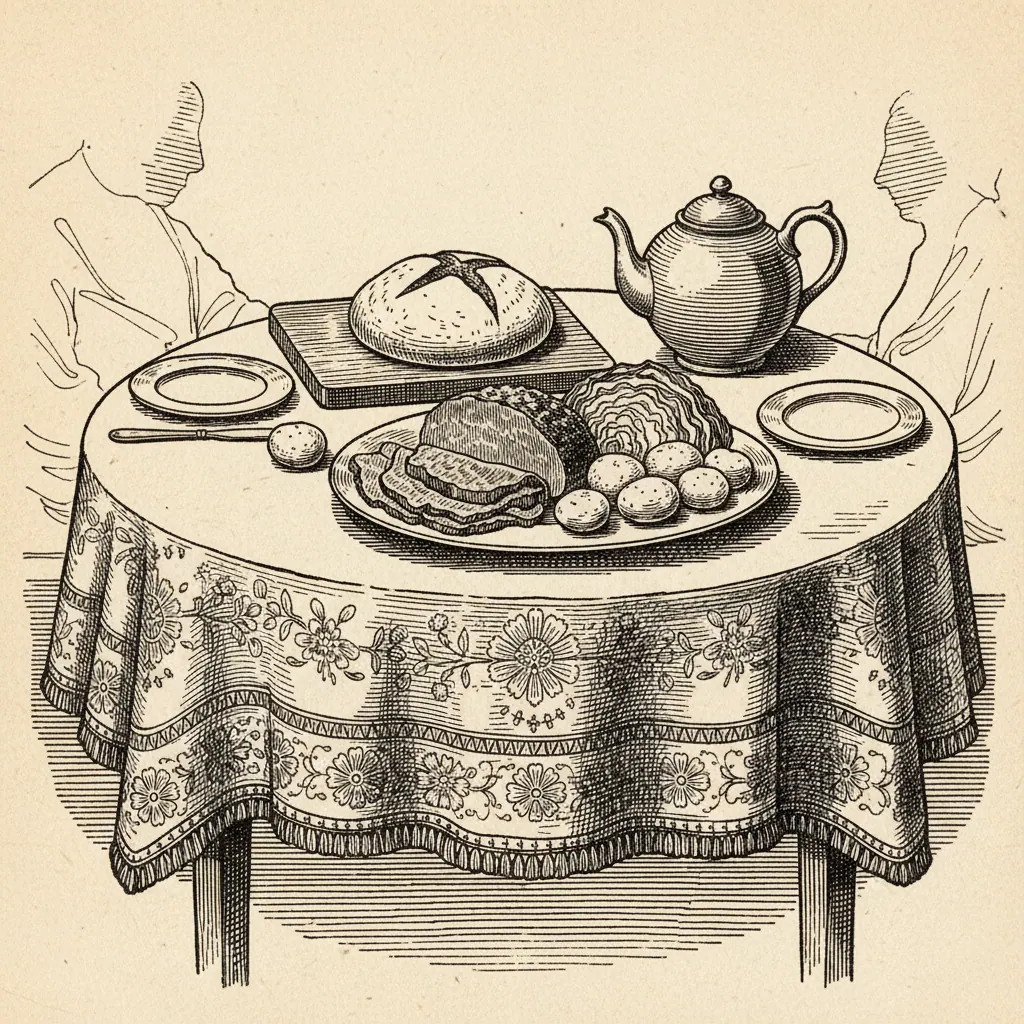
With no traditional ovens, meals were cooked in and around the hearth. That meant the bread had to be steamed rather than baked, usually in cylindrical containers. Once cooked, the loaf slides out of the can or mold holding the shape of the container, and gets served warm with butter. It’s the traditional side for Boston baked beans, and the two together are about as close to an authentic Saturday-night colonial supper as you can put on a modern table.
Ingredients
- 1 cup rye meal
- 1 cup granulated cornmeal
- 1 cup Graham flour
- 3/4 tablespoon baking soda
- 1 teaspoon salt
- 3/4 cup molasses
- 2 cups buttermilk, milk, or water
Directions
- Set a rack to the bottom third of the oven and preheat to 325°F.
- Mix and sift together the dry ingredients. Add the molasses and milk, and stir until the batter is well combined.
- Pour the batter into a well-greased mold or coffee can (butter or cooking spray, your call). Don’t fill the mold more than two-thirds of the way.
- Cover the molds with a double thickness of aluminum foil and secure the lids with string. If you skip the string, the bread can rise and lift the foil right off.
- Place the molds into an oven-safe pot and pour boiling water into the pot until it comes halfway up the sides of the molds.
- Carefully transfer to the oven and bake for 1 hour and 15 minutes, or until the edges of the bread start to pull away from the sides of the molds.
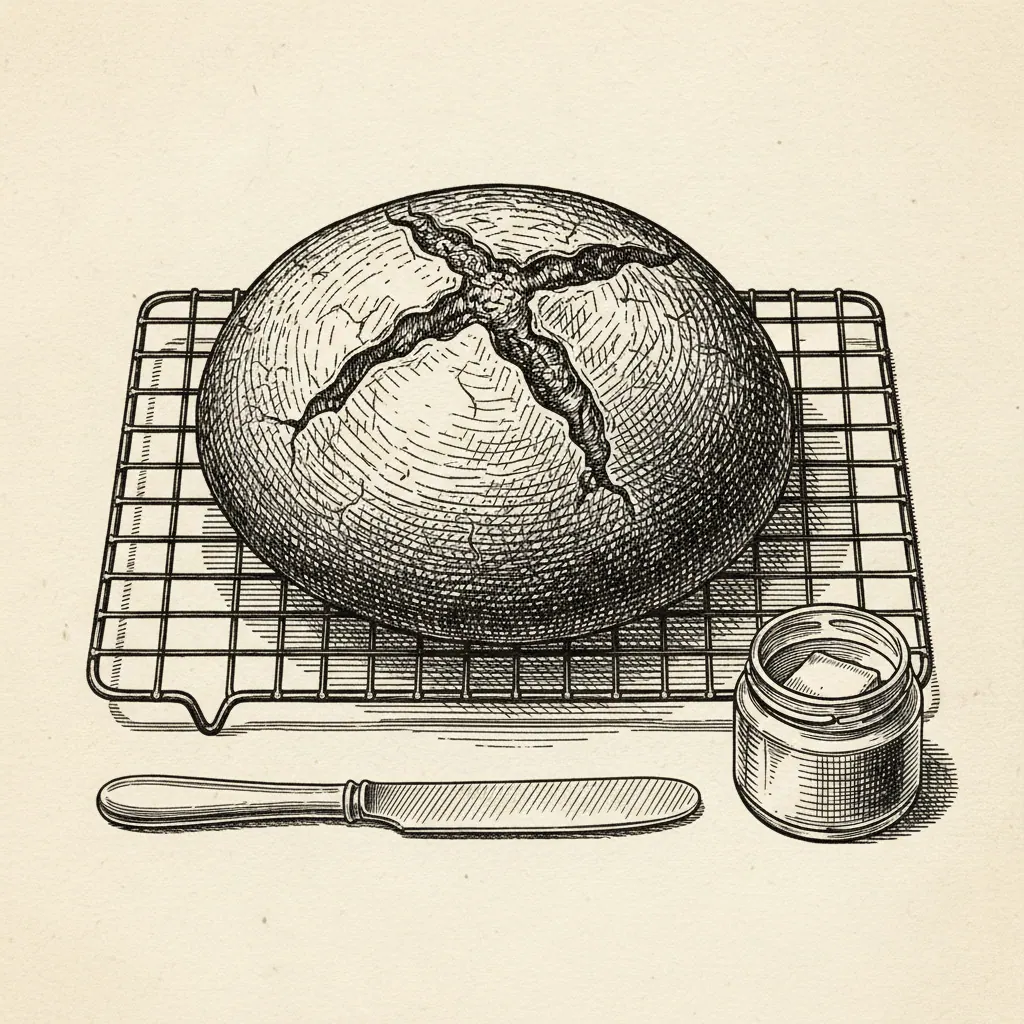
- Remove the cans from the hot water, take off the foil, and let cool on a rack for 1 hour.
- Slide the finished loaves out of the molds.
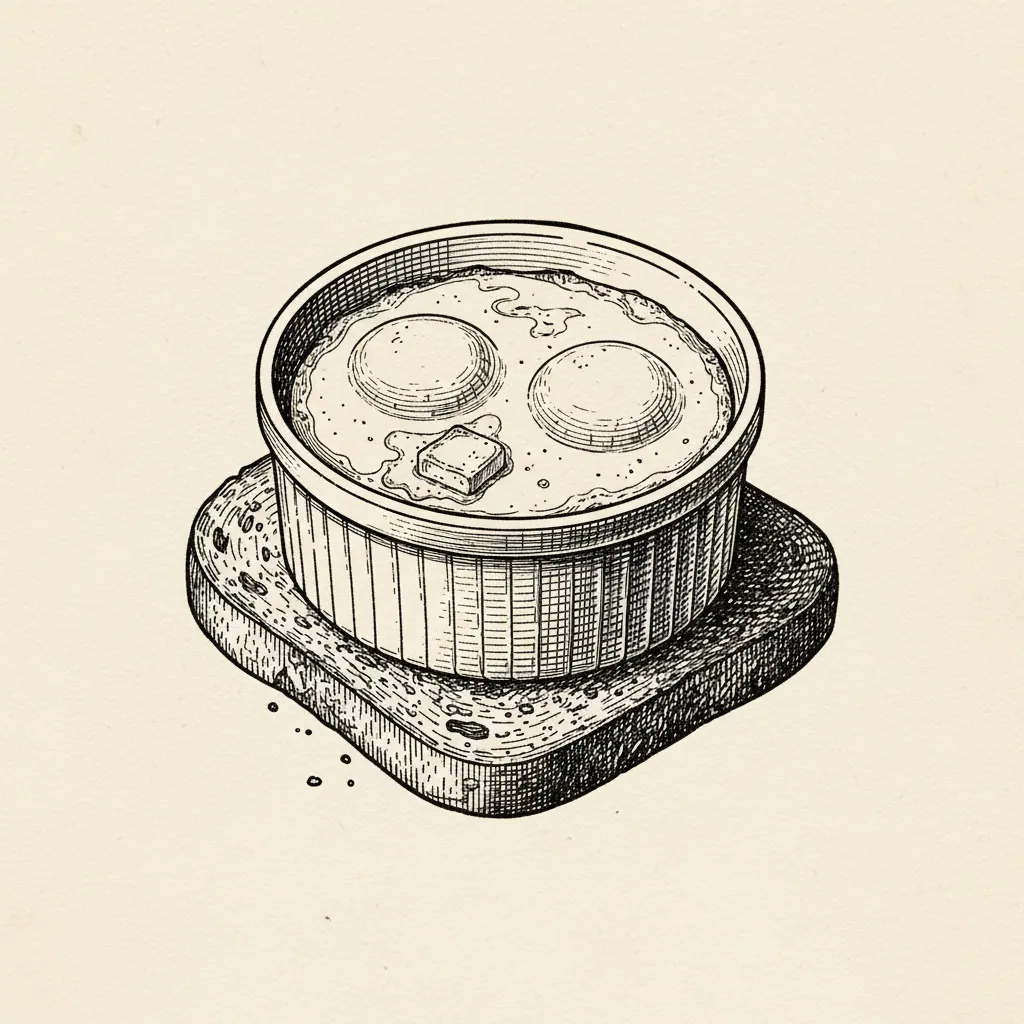
Serve warm with butter, or alongside Boston baked beans the way it’s been done for generations. Leftovers keep well wrapped, and a slice toasted the next morning is arguably better than the first cut.
Brown Bread in a Can: The Coffee-Tin Tradition
The phrase “brown bread in a can” is not a metaphor and not a marketing line. It is the historically correct vessel. From the colonial era through the late 1800s, New England cooks steamed brown bread in any cylindrical container with a tight lid that could survive boiling water — small lard pails, kettle-sided crocks, and by the late nineteenth century, the empty one-pound coffee can sitting in every kitchen pantry.
The coffee can won out for three reasons. The dimensions are the right scale for a single household loaf (roughly 5 inches tall, 4 inches across). The tin conducts heat well so the loaf cooks evenly. And the cans were free — every household had a steady supply of empties as coffee shifted from bulk-roasted beans to canned ground coffee in the 1880s.
Two real cans, two outcomes:
- A 13-15 oz coffee can (Maxwell House and Folgers ground coffee, current sizing): grease the inside thoroughly, fill no more than two-thirds full, secure foil over the top with butcher’s twine. Steam time runs 1 hour 15 minutes per the recipe above. The loaf slides out cleanly when the can has cooled enough to handle.
- A B&M baked bean can, washed and saved: the 28-oz size is closer to the historical Saturday-night supper format and slightly wider than a coffee can, which means a slightly faster bake — check the loaf at the 1-hour mark.
A few practical notes. Modern coffee cans are often plastic-lined or have BPA-free coatings — most tolerate steam baking without issue, but if the can has a printed paper label, soak the can to remove it before greasing. Avoid aluminum cans (they can leach into acidic batters) and avoid any can with a press-on plastic lid (greater chance of warping).
The B&M Brown Bread that’s still sold canned in Maine grocery stores — yes, the bread itself comes pre-baked in the can — is the only commercial example of the tradition surviving on supermarket shelves. B&M of Portland has been canning the bread since 1927. It’s not as good as the home-steamed version. It is, however, a genuine artifact of the technique, and worth picking up once if only to see what the colonial cooks were actually after.
Frequently Asked Questions
What is Boston brown bread made of? Boston brown bread is made from rye meal, cornmeal, and Graham flour, bound together with molasses and buttermilk. The combination of three grains traces back to early colonial cooks stretching scarce wheat as far as it would go.
Why is Boston brown bread steamed instead of baked? The colonists didn’t have conventional ovens — they had a hearth. Steaming in a sealed cylindrical mold was the practical workaround, and it’s still the method today. The steam keeps the dense, molasses-heavy batter from drying out and gives the loaf its characteristic moist crumb.
What do you serve with Boston brown bread? The traditional pairing is Boston baked beans — the two have been served together as a Saturday-night supper in New England for generations. Warm with butter is the baseline; a slice toasted the next morning is worth planning for.
Can I use a coffee can instead of a bread mold? Yes, and it’s the more historically honest vessel. Grease it well, fill it no more than two-thirds full, and secure the foil lid with string so the rising batter doesn’t push it off during steaming.