The Ward 8 Cocktail: A Boston Original from 1898
The Boston cocktail invented at Locke-Ober in 1898 to celebrate Martin Lomasney's election win in the Eighth Ward. The canonical recipe, the history dispute, and where to drink one.

Department
Traditions worth passing down. The history with personality.
Heritage in New England isn’t a costume. The traditions that survived weren’t preserved by reenactors — they survived because they kept doing useful work. Joe Froggers exist because fishermen needed cookies that lasted weeks at sea. Boston Baked Beans cook overnight because the colonial Sunday Sabbath rule meant Saturday’s hearth labor was the only time the pot could go on. Bean pots are shaped the way they are because the Beverly Pottery Company in Beverly, Massachusetts produced thousands of miniature ones for Civil War troops to carry as souvenirs. Words like bubbler and packie and frappe hold on because they’re still being used by people who didn’t learn them from a guidebook.
This section covers the customs, the language, the food traditions, the place names, and the folk stories that still mean something in 2026 — not because we’re sentimental about them but because they’re load-bearing. They tell you who’s from here and who isn’t, what’s a working tradition versus what’s tourism, and which regional weirdnesses are about to vanish if nobody writes them down honestly.
The language. New England English isn’t one dialect — it’s a patchwork of regional vocabularies that shift across town lines that don’t show up on tourist maps. Wicked is an intensifier, not an adjective on its own. Bubbler is Rhode Island and southeastern Massachusetts; it dies out as you move north. Down East is a sailing term, not a direction. Packie is the package store. Grinder is a sub in central Mass and most of Connecticut, and sub takes back over east of Worcester. We document where each word lives, where it’s fading, and how to use them right (briefly: the rule is hear it three times naturally before you try one yourself).
The food traditions. Recipes with origins worth tracking. The Marblehead Joe Frogger story. The Boston Brown Bread evolution from cornmeal-and-rye necessity to weekly side dish. The Vermont Common Cracker baked the same way since the 1820s. Indian Pudding. Hasty Pudding. Whoopie Pies and the long argument about whether they’re Maine or Pennsylvania (Maine has the legislature on its side; Pennsylvania has the bakery population). Switchel. Maple sugar on snow.
The folk stories. The Pukwudgies of the Bridgewater Triangle. Mammy Redd in Marblehead. The Old Man of the Mountain before he fell. The Dancing Devils of Connecticut. The Mercy Brown vampire scare in Rhode Island. The Headless Frenchman of Vermont. We tell them straight — not as ghost-story listicles, but as the regional versions of stories every culture works through, with the dates, the places, and the people who actually told them.
The customs and rituals. Sunday drives as a working family tradition before they faded. Sugaring season in Vermont, when it actually starts (not when the calendars say), and why it’s getting shorter. Apple-picking weeks (the seven-day window each variety actually drops). Sheep-shearing festivals, sap-bucket viewings, the late-spring lobster boat blessings. The first-night First Night that started in Boston and migrated everywhere.
The places that are themselves heritage. Marblehead. Old Sturbridge Village. The Adams family homes in Quincy. The whaling museums in New Bedford and Mystic. Plimoth Patuxet. Hancock Shaker Village. Madame Sherri’s castle ruins. These get treated as living institutions, not photo-ops.
Heritage gets the most careful editorial hand because it’s the easiest thing to wink at. We don’t. The standard is sincere about heritage without being sentimental about it — never frame New England as charmingly antique, frame it as alive, with stakes. The cookies kept fishermen fed. The words mark belonging. The stories run through the same grooves the older settlers cut.
When we write the history, we cite our sources — town records, Old Farmer’s Almanac archives, the Massachusetts Historical Society, the published cookbook lineage when there is one. When we tell a folk story, we say where the version we’re telling came from and what’s documented versus what’s regional folklore. We let the reader decide what to believe; we don’t decorate the gaps.
Some things look like New England heritage and aren’t. The witch-trial trinket trade in Salem isn’t heritage — it’s tourism marketing built on top of an actual seventeenth-century atrocity. The “rustic-cottage aesthetic” in interior-design magazines isn’t heritage either; it’s Connecticut shoreline real-estate staging since about 2008. We try to call out the difference where it matters, especially when the costumed version is crowding out a working tradition.
Heritage doesn’t need protecting from time. It needs honest writing.
All entries
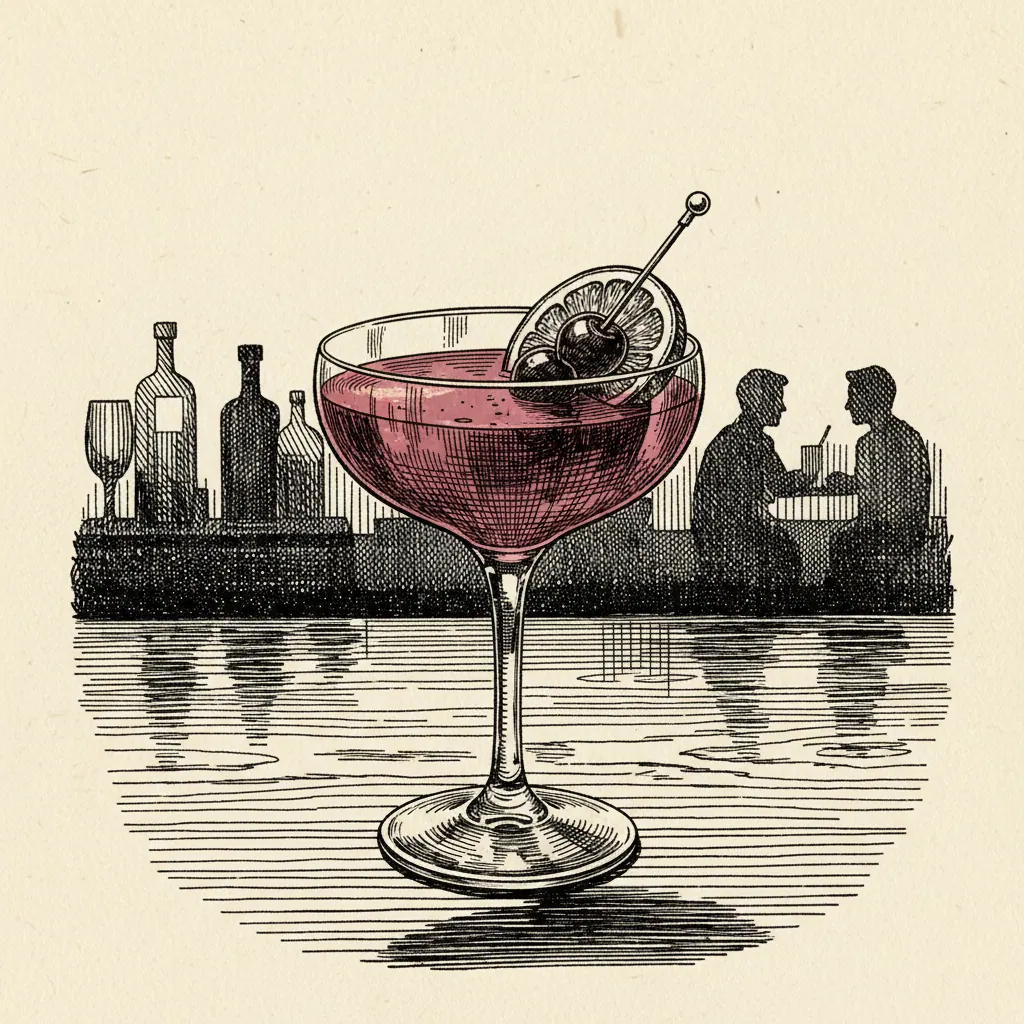
The Boston cocktail invented at Locke-Ober in 1898 to celebrate Martin Lomasney's election win in the Eighth Ward. The canonical recipe, the history dispute, and where to drink one.
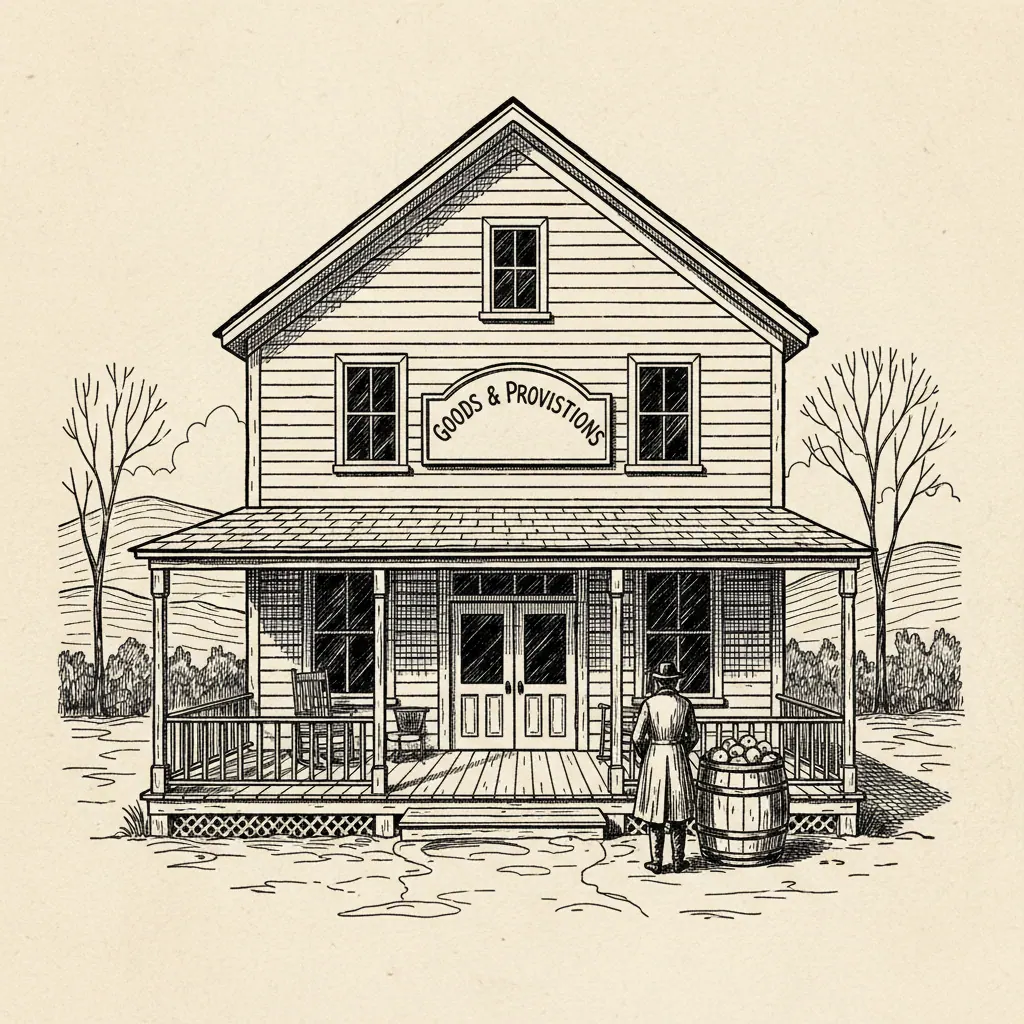
Fifty surviving New England general stores — built before 1965, post office, lunch counter, community function. The detailed working list.
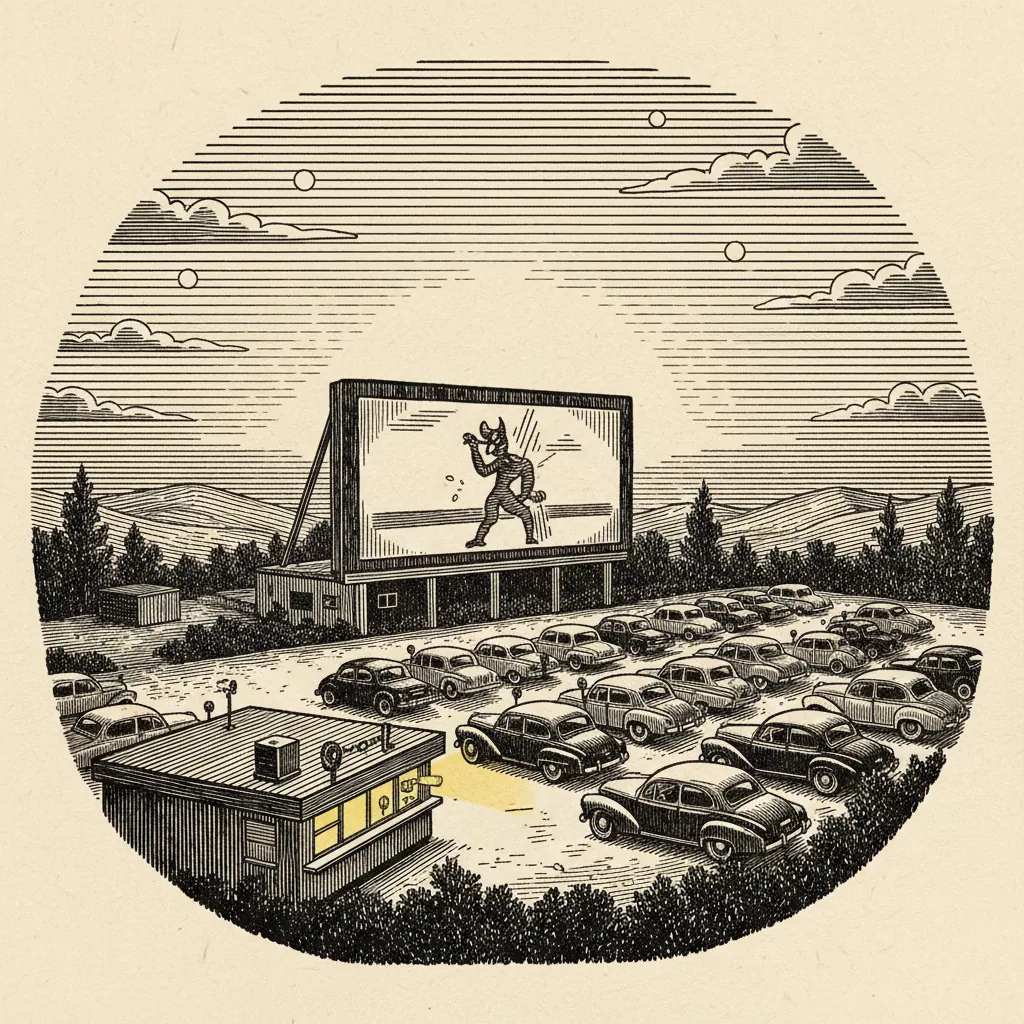
Twelve drive-in theaters still operating in New England, all family-owned, mostly converted to digital projection. Where to sit and what's playing.
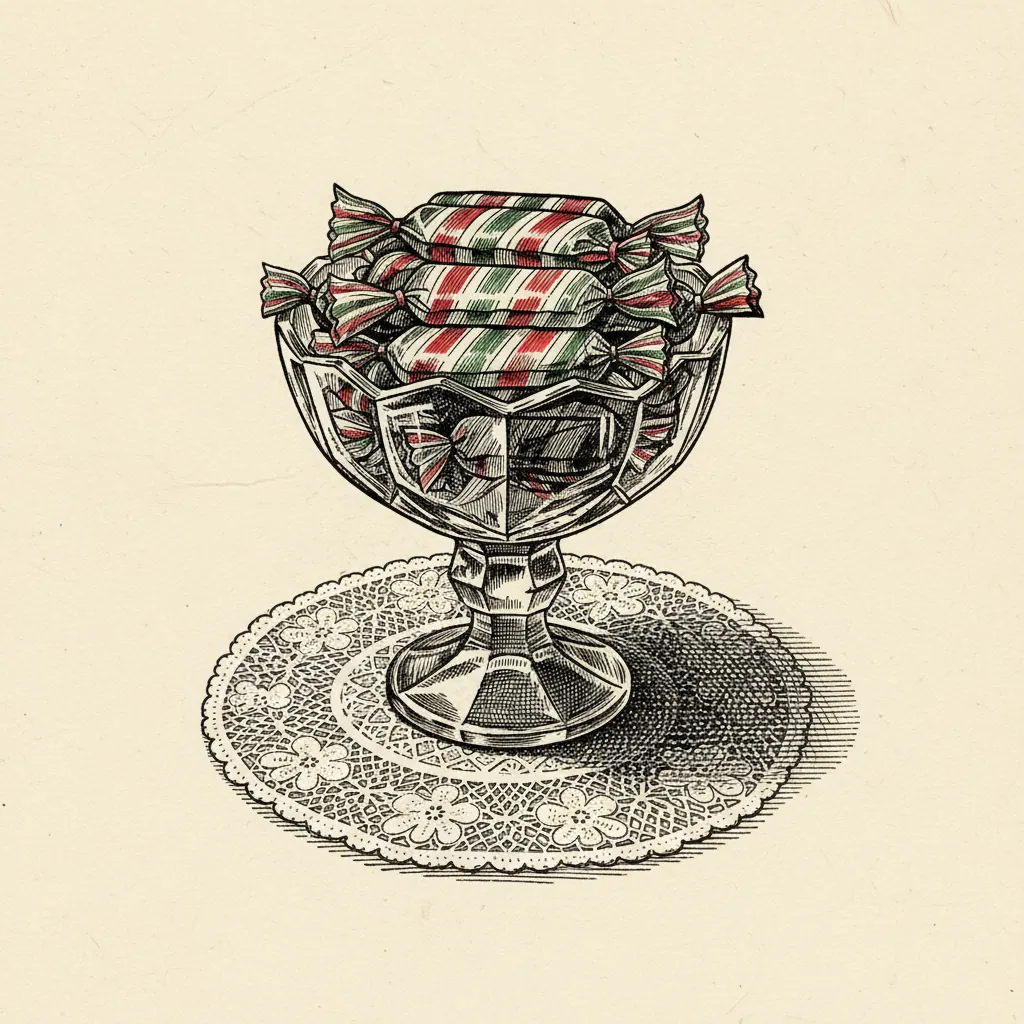
The pleated, hand-pulled Christmas candy that used to sit in every New England grandmother's cut-glass dish — and the Brockton factory still making it the old way.
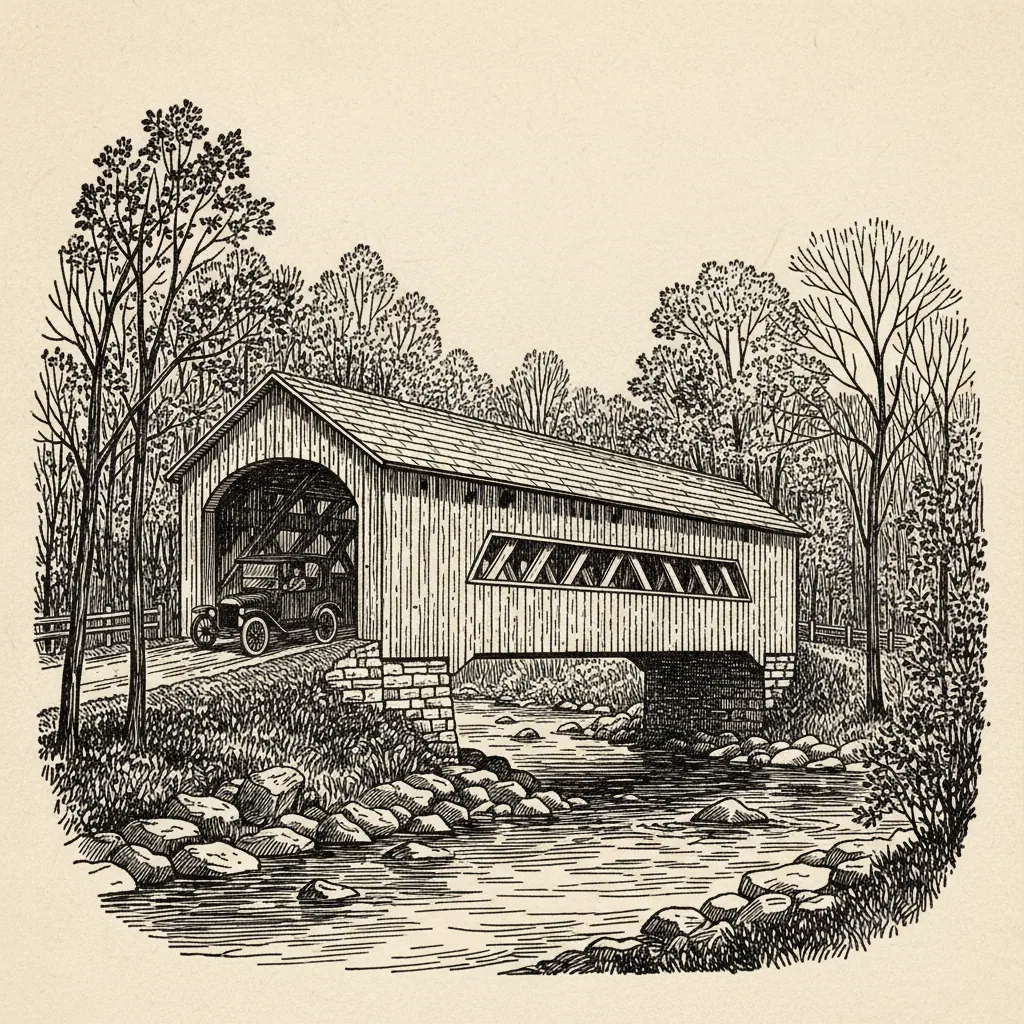
200 historic covered bridges across five states, organized by the engineering: Town lattice, Howe truss, Burr arch. The day-drives that hit multiple.
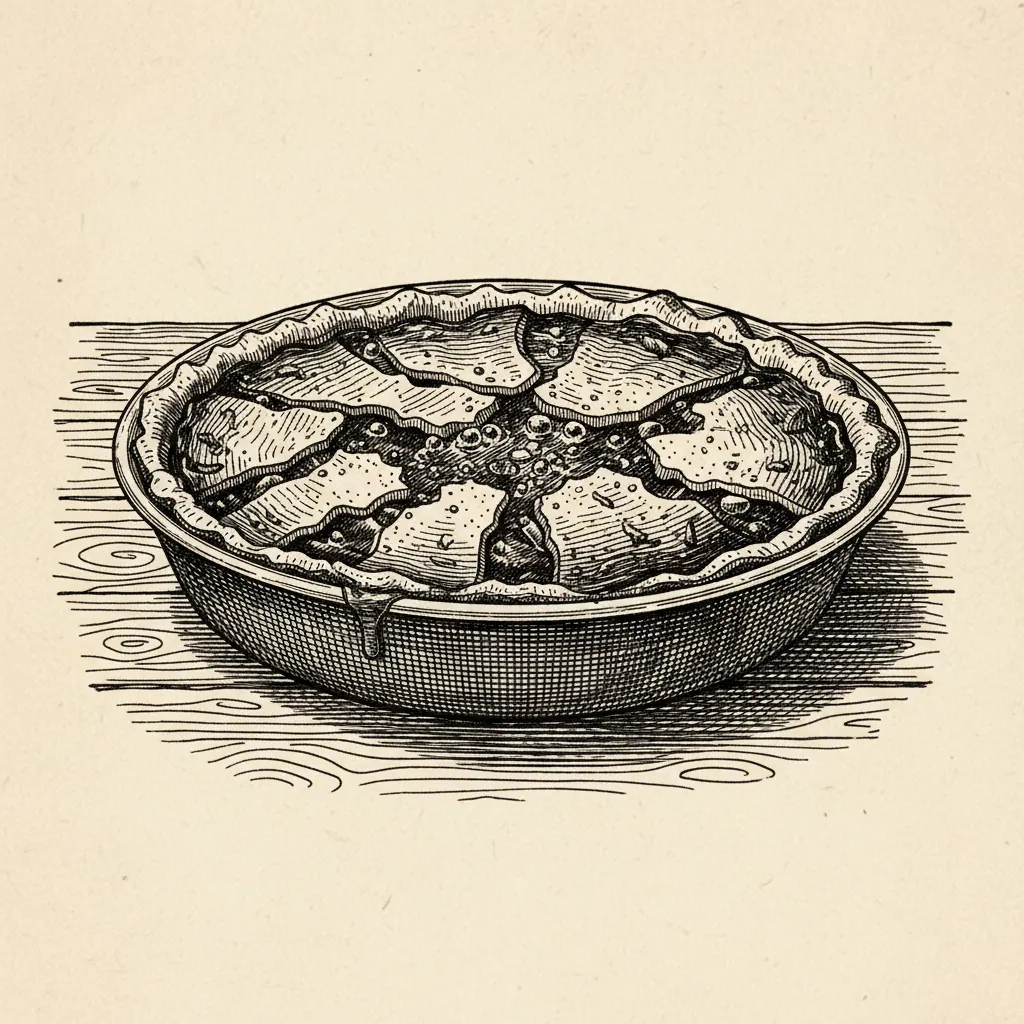
The forgotten New England apple dessert that beat pie. A single-crust topping broken halfway through baking, soaked in molasses-and-cider syrup. Lydia Maria Child wrote it down in 1832.
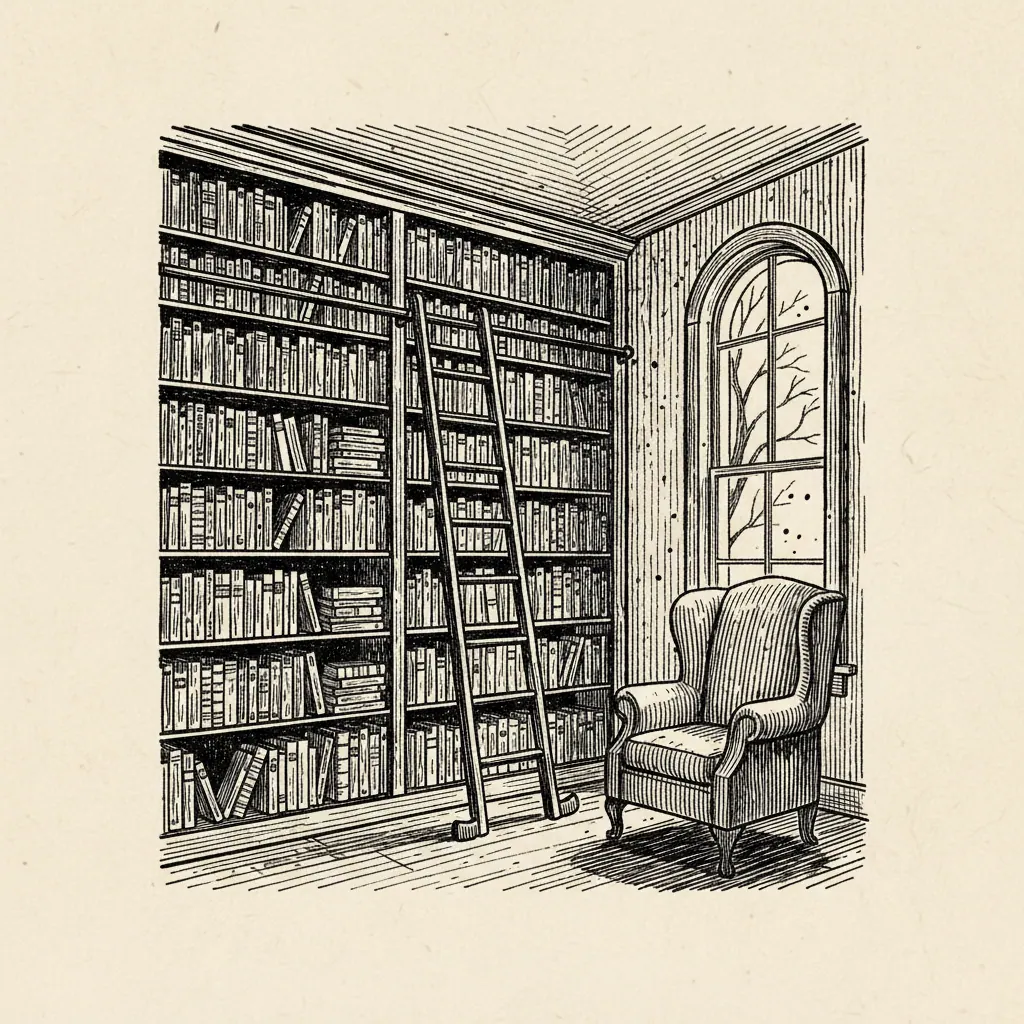
Twenty-five used and rare bookstores across New England — Brattle, Big Chicken Barn, Robinson Crusoe — with what each specializes in.
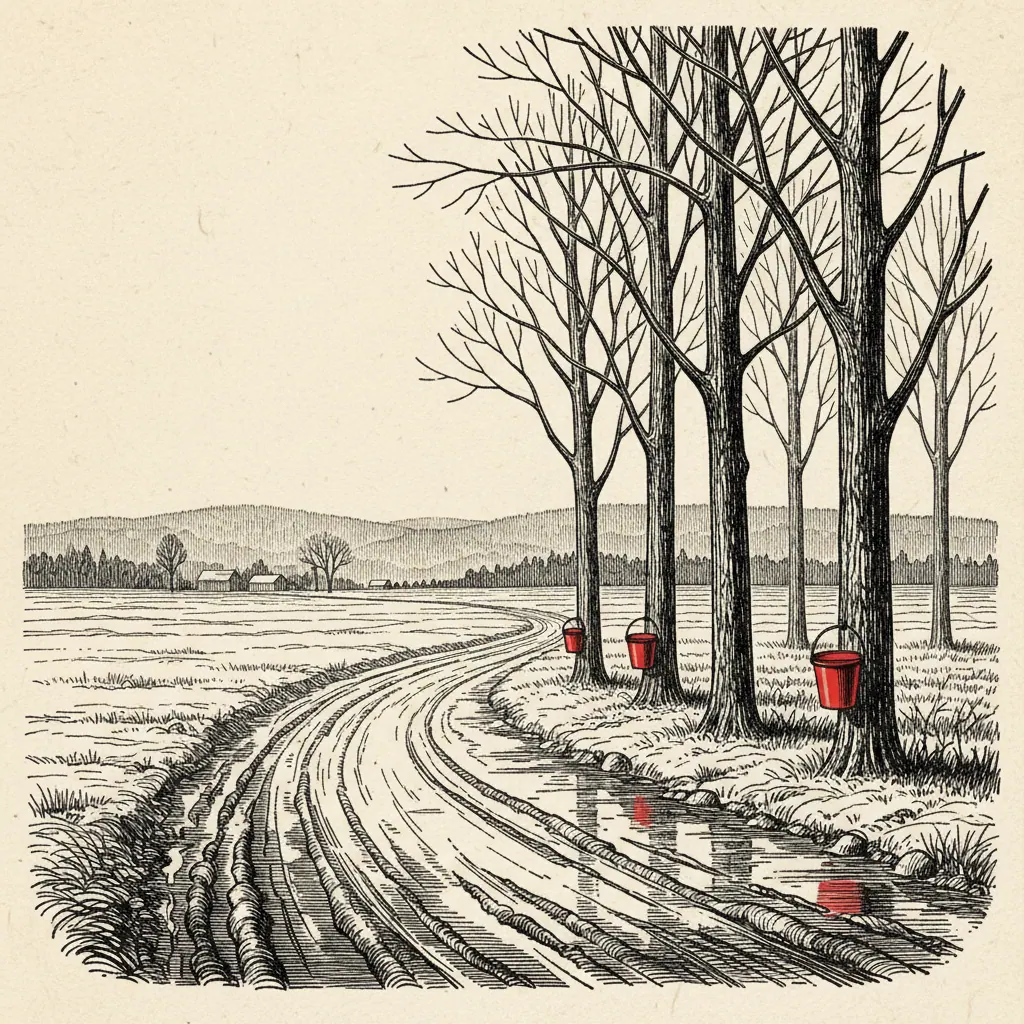
The fifth New England season nobody promotes. Mud-season geology, the inns that drop 60% in April, and the few places actually worth visiting between snowmelt and bloom.
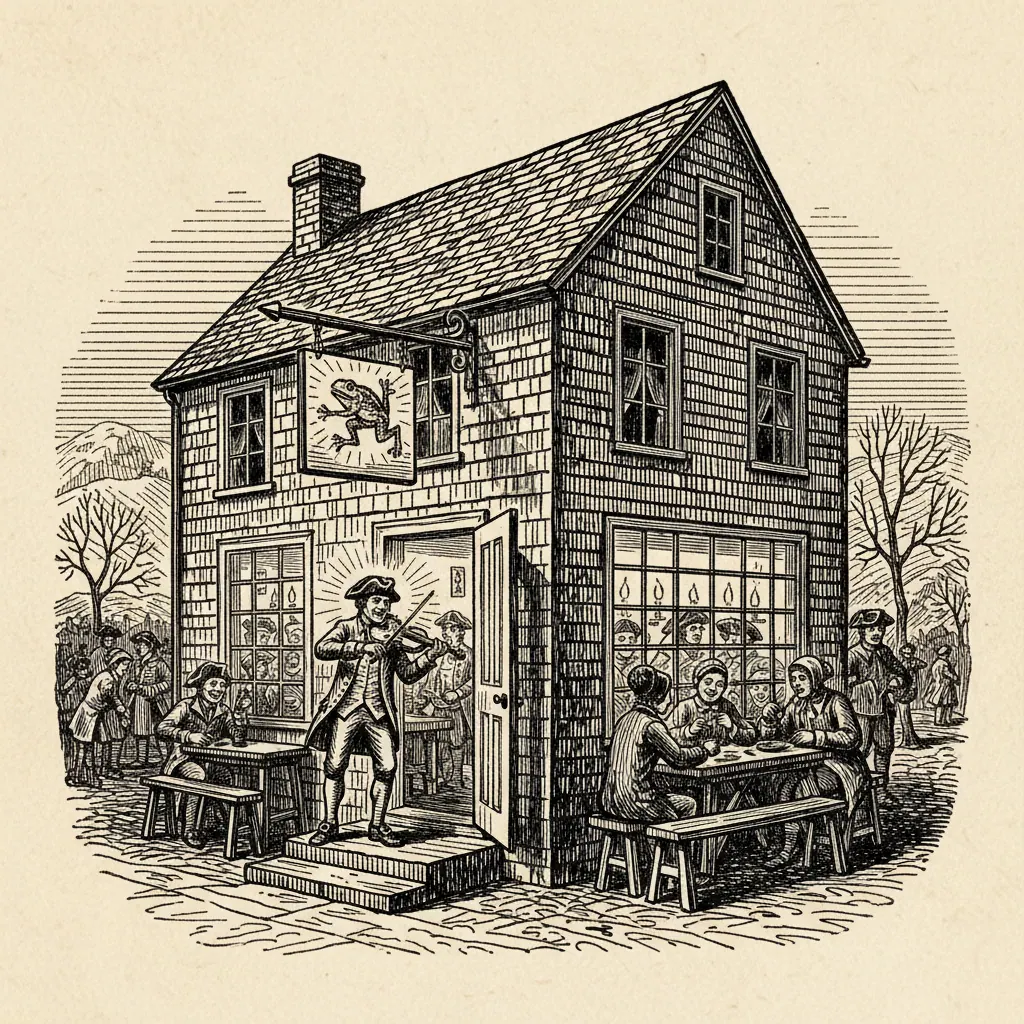
Joseph Brown ferried Washington across the Delaware with the Marblehead Regiment, then ran an integrated tavern for 40 years. The frog pond beside it gave the cookie its name.
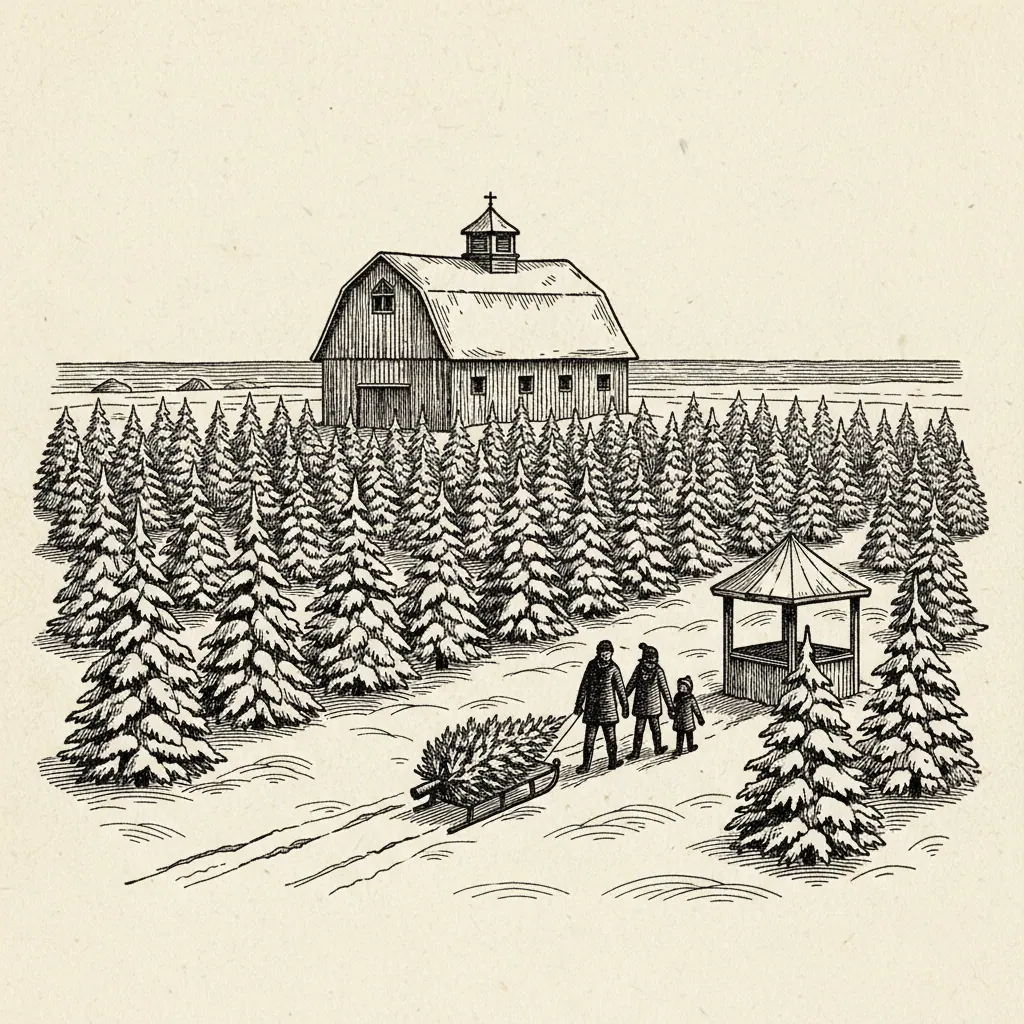
350 cut-your-own Christmas tree farms across New England, organized by state with species, hours, and pricing. When to go and what to bring.
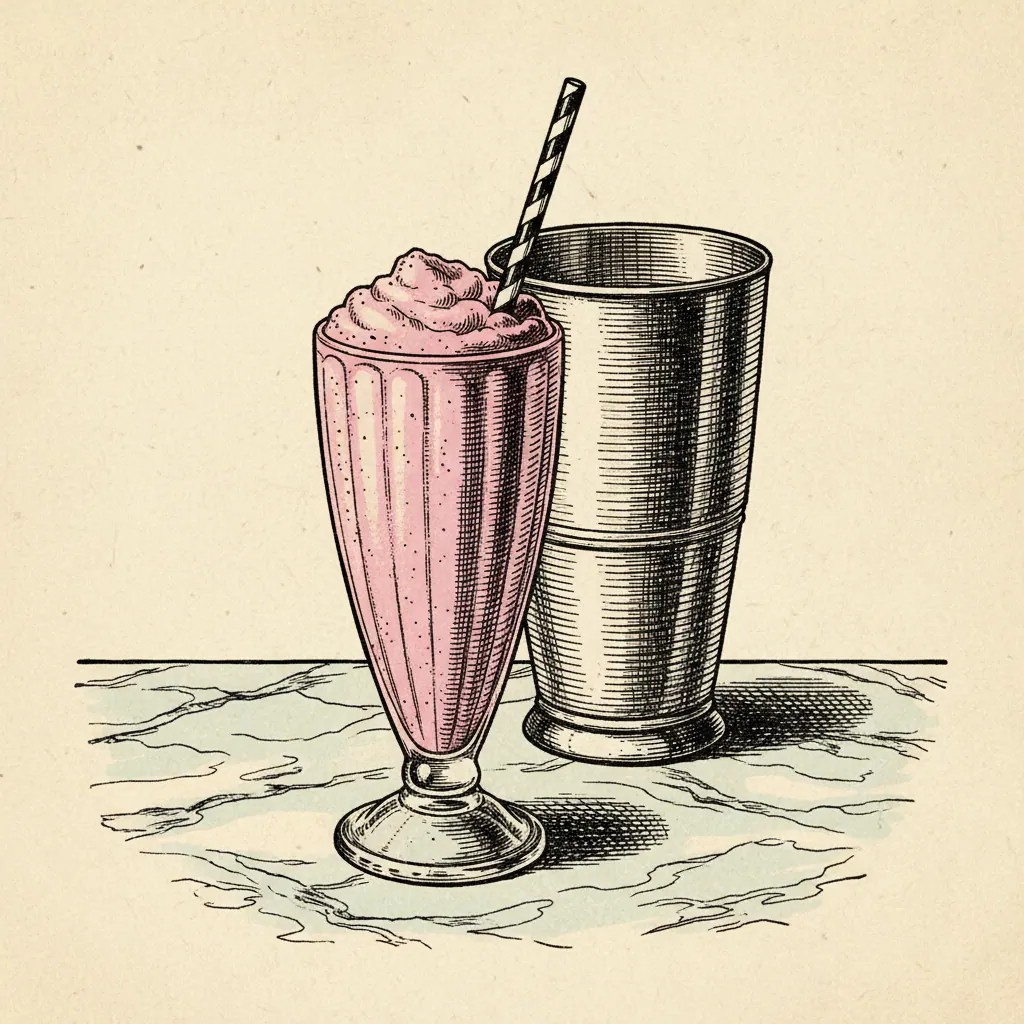
Order a milkshake in Boston and you get milk and syrup. The thing with ice cream in it is a frappe. In Rhode Island it's a cabinet. A working New England vocabulary.
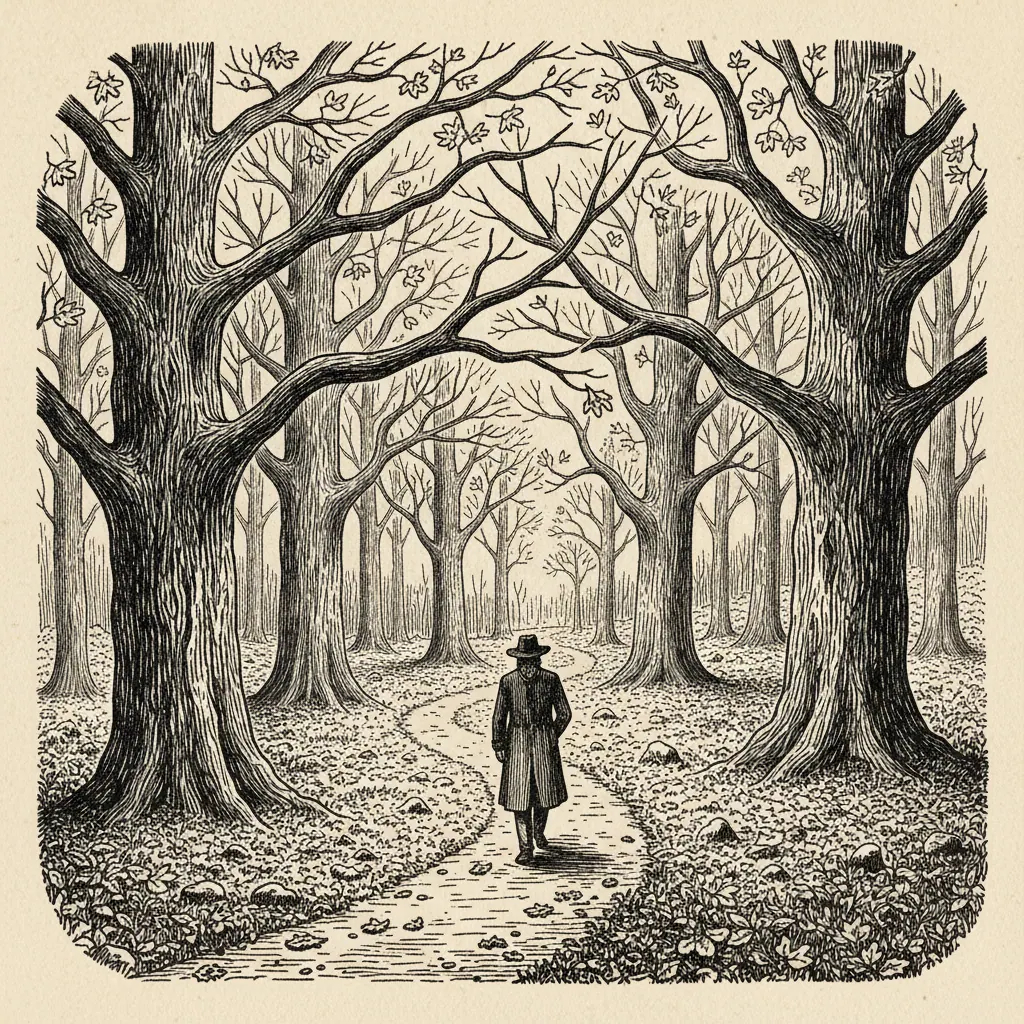
Thoreau coined the word for a reason. The four conditions for a real saunter, the six New England routes that work, and why a phone breaks the practice.
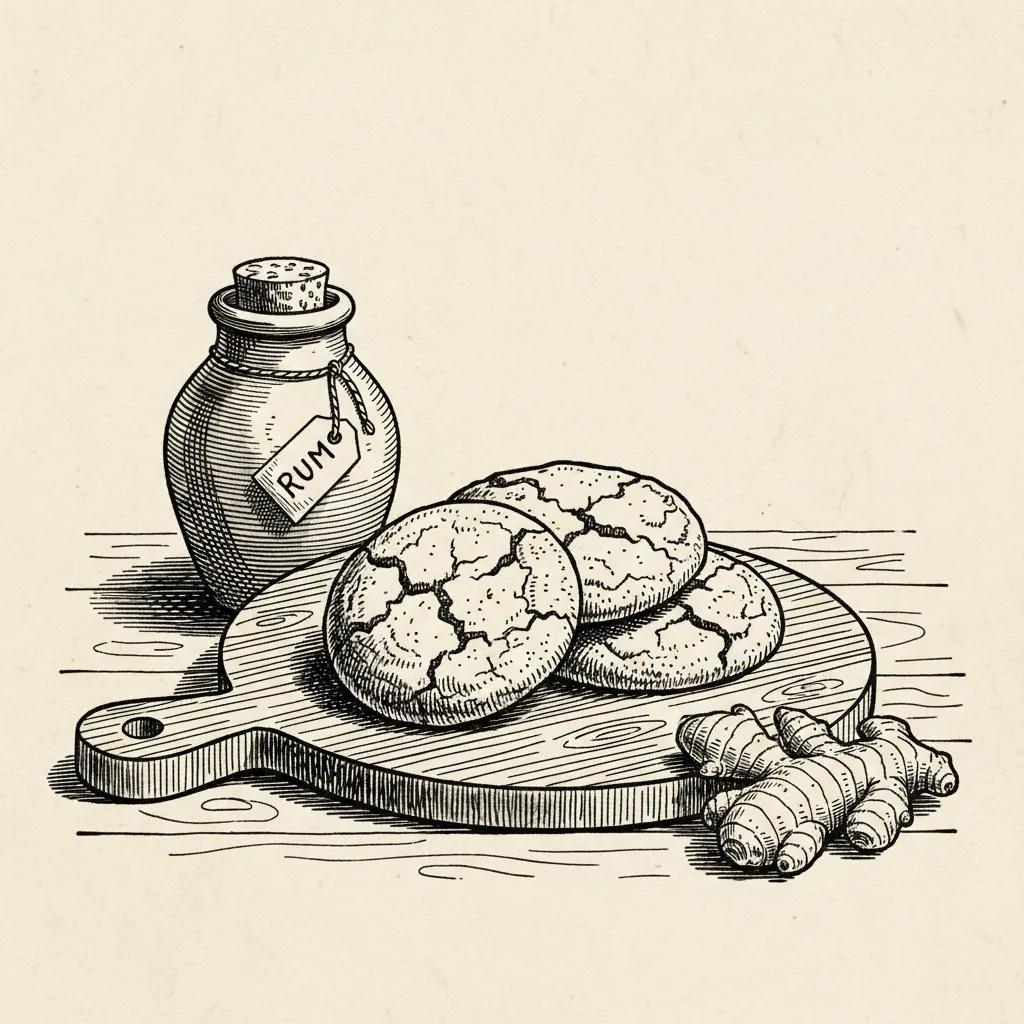
A molasses-and-rum cookie from Marblehead, designed to last weeks at sea. The recipe is family. The history is real. Most modern versions get the rum wrong.