Sand Beach to Otter Cliff in Half a Day: The Most Photographed Mile of Acadia
The most-photographed half-mile of Acadia. Pink-sand beach, sea-cave thunder, granite cliff face, and how to time the half-day to do it well.

Department
Itineraries, overlooked towns, seasonal trips that fit a real schedule.
There are two New Englands. The one on the postcards — leaves at peak, lobsters on a paper plate, a covered bridge in soft afternoon light — and the one most of the year actually looks like, which is wetter, quieter, more interesting, and dramatically cheaper to visit. The travel desk here writes about the second one. The Cape after Columbus Day is half the price and twice the room at the counter. The Berkshires in late October are running half-booked inns and full foliage. The seacoast hotels that survive the off-season have to be good, because their summer rates can’t carry them alone.
The editorial code is straightforward: every destination that runs in this section has been visited at least twice by a writer at the magazine, and usually in the worst possible weather. We write about places we’ve gone, in conditions we’ve seen them in, with people we know on the ground who can tell us when things change. Where we haven’t been, we say so plainly and source the claim to a named reference instead of dressing up research as memoir. The fastest way to lose a reader who lives in New England is to fake the part of the trip you didn’t take.
Itineraries that fit a real weekend. Friday-night-after-dinner-to-Sunday-afternoon plans that you don’t have to take a personal day to pull off. The math is the math: about $500 for two people, six hours of driving total, two nights of lodging, and one meal that justifies the trip on its own. If a recommendation can’t fit that frame, it gets called a trip not a weekend and budgeted accordingly.
The off-season case for every season. New England is built for shoulder weeks. We cover the late-spring window when the inns reopen and the ice-cream stands are still finding their staff. The mid-October peak that everyone talks about, plus the second half of October that everyone forgets. The first weekends of January when the ski mountains are settling in and the foliage crowds are gone. Mud season, which is real, and which has its own weird charm if you’re prepared.
Six states, written as six states. Maine isn’t Massachusetts and the Cape isn’t the Berkshires. Each region gets its own sub-cluster — coastal Maine versus the County, the lakes region of New Hampshire versus the Whites, the Berkshires versus the North Shore. We don’t generalize “New England” when the reader needs Vermont specifically.
Grand hotels and small inns. The historic resorts that survived the 20th century — the Mount Washington, the Wentworth, the Mountain View Grand, the Wequassett — and the family-run inns that fill the rest of the calendar. Hotel reviews when we’ve stayed; hotel guides when we haven’t, with the difference always called out.
The drives. Sunday drives, the back roads of the Mohawk Trail, the granite-and-pine of the Whites, the long flats up Route 1 in Maine. The case for putting the car in second gear and treating the road as the destination.
We don’t write the tourism-board version of New England. No “10 best leaf-peeping drives” lists assembled from press releases. No “hidden gem” claims about places that show up in every regional travel write-up since 1998. No first-person memoir from trips we didn’t take.
When we recommend a hotel, we tell you whether we stayed there, whether we just walked through the lobby, or whether we’re sourcing the recommendation from a named local who lives nearby. When we recommend a restaurant, we apply the same rule. The bar is honest attribution, not staged authenticity.
New England rewards the planner. Foliage windows are seven days, not a month. Ferry schedules to the islands run on a different calendar in May than they do in October. The lobster shacks announce closing dates in the second week of October and don’t always advertise them until the morning of. Our travel pieces try to give you the calendar piece of the puzzle as cleanly as the place piece. Trip planning that ignores the timing is just a wishlist.
So: read it the week before you’d go, not the week before you’d book. Then book.
All entries
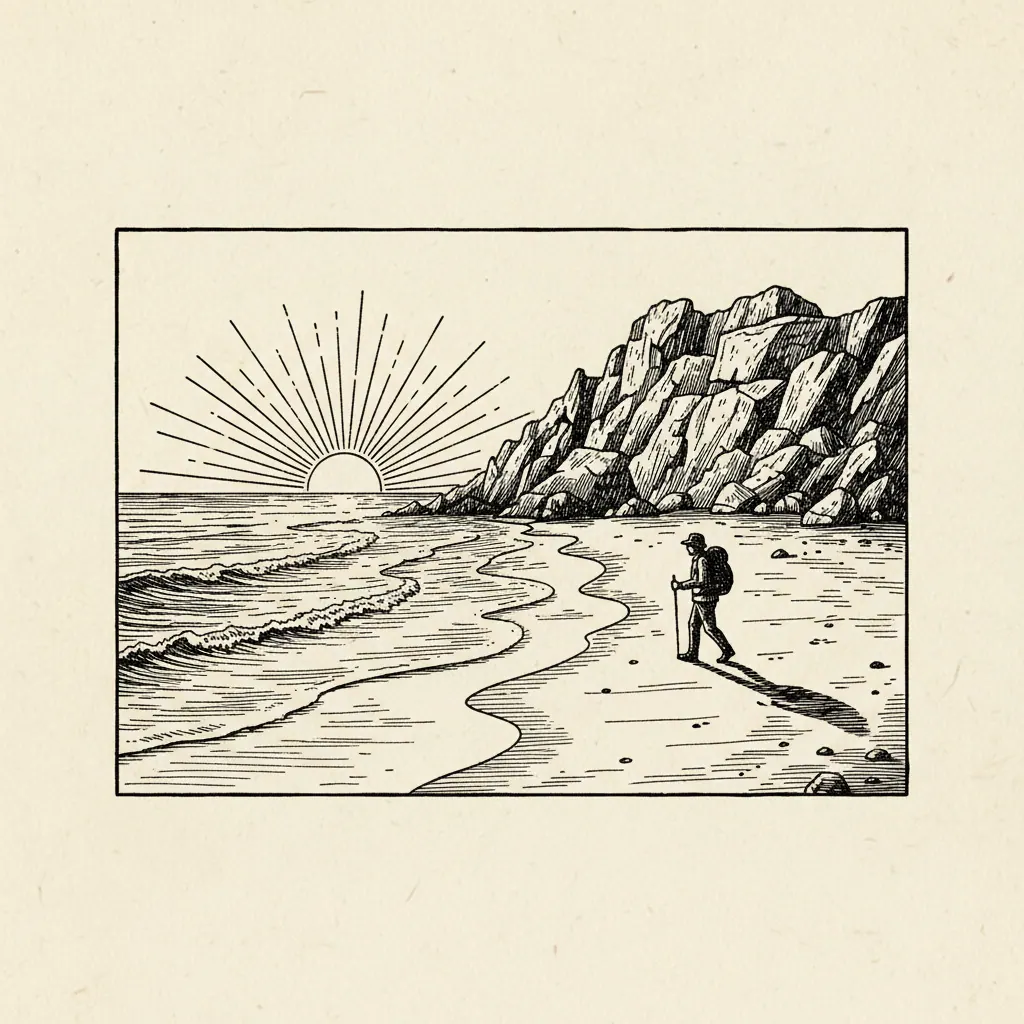
The most-photographed half-mile of Acadia. Pink-sand beach, sea-cave thunder, granite cliff face, and how to time the half-day to do it well.
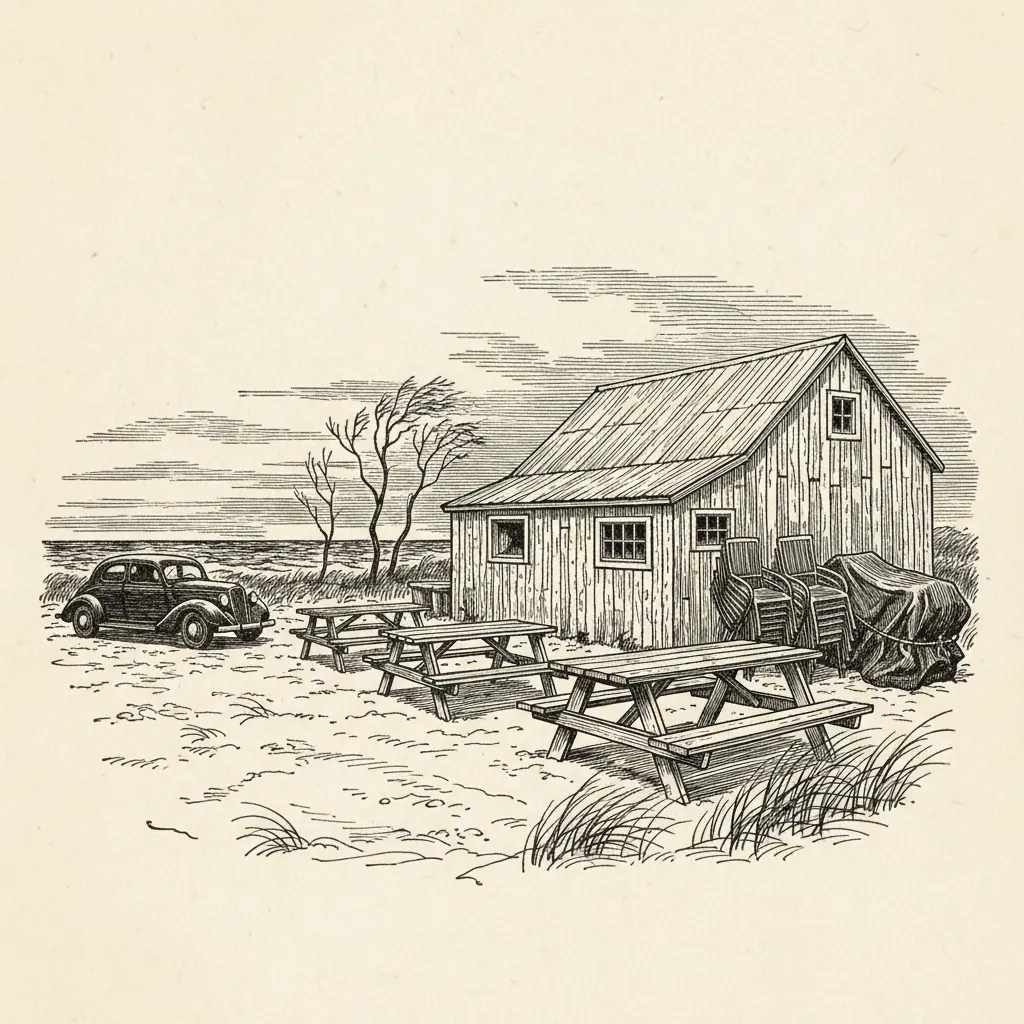
Cape Cod after Columbus Day: half the price, twice the room at the counter, and the lobster shacks that actually stay open. A case for the off-season weekend.
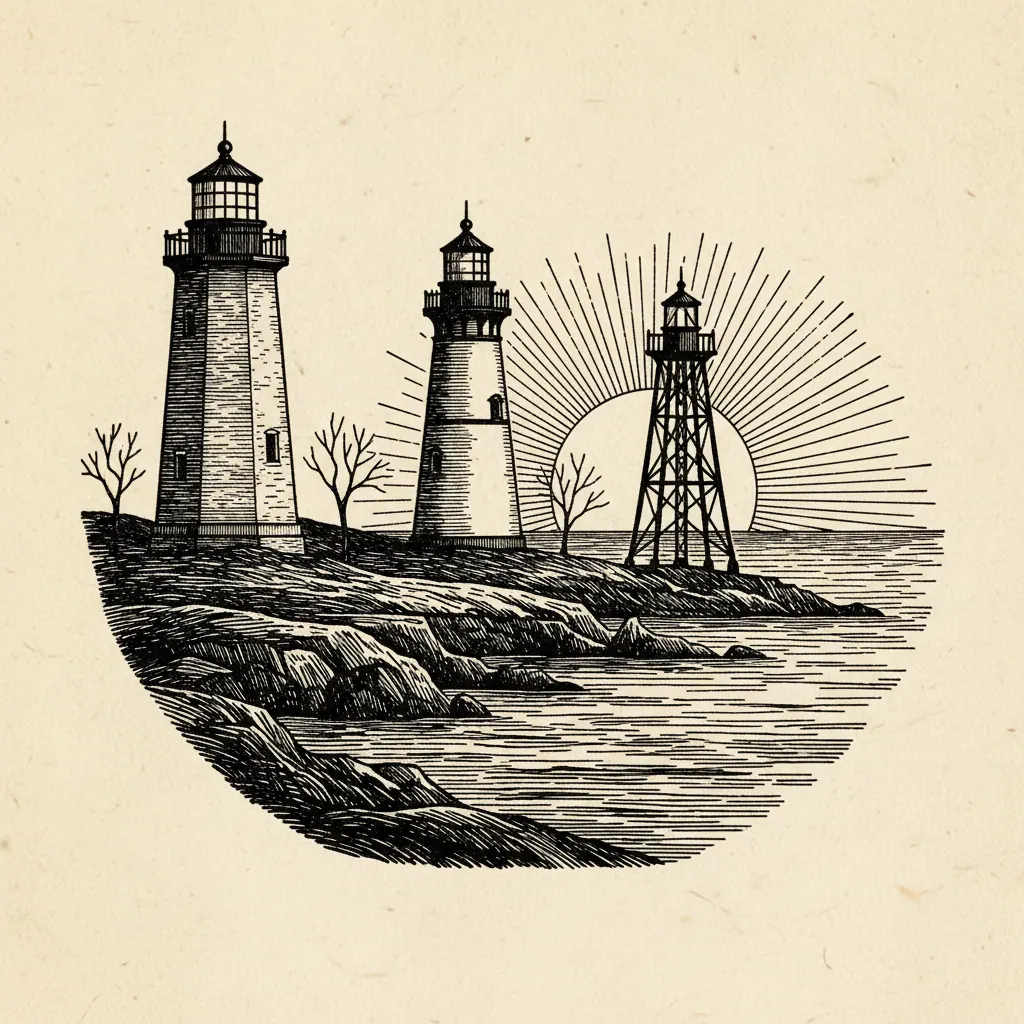
When 30 New England lighthouses open their doors to the public. Portland Head, Pemaquid, Boston Light, the seasonal tour schedule by state.
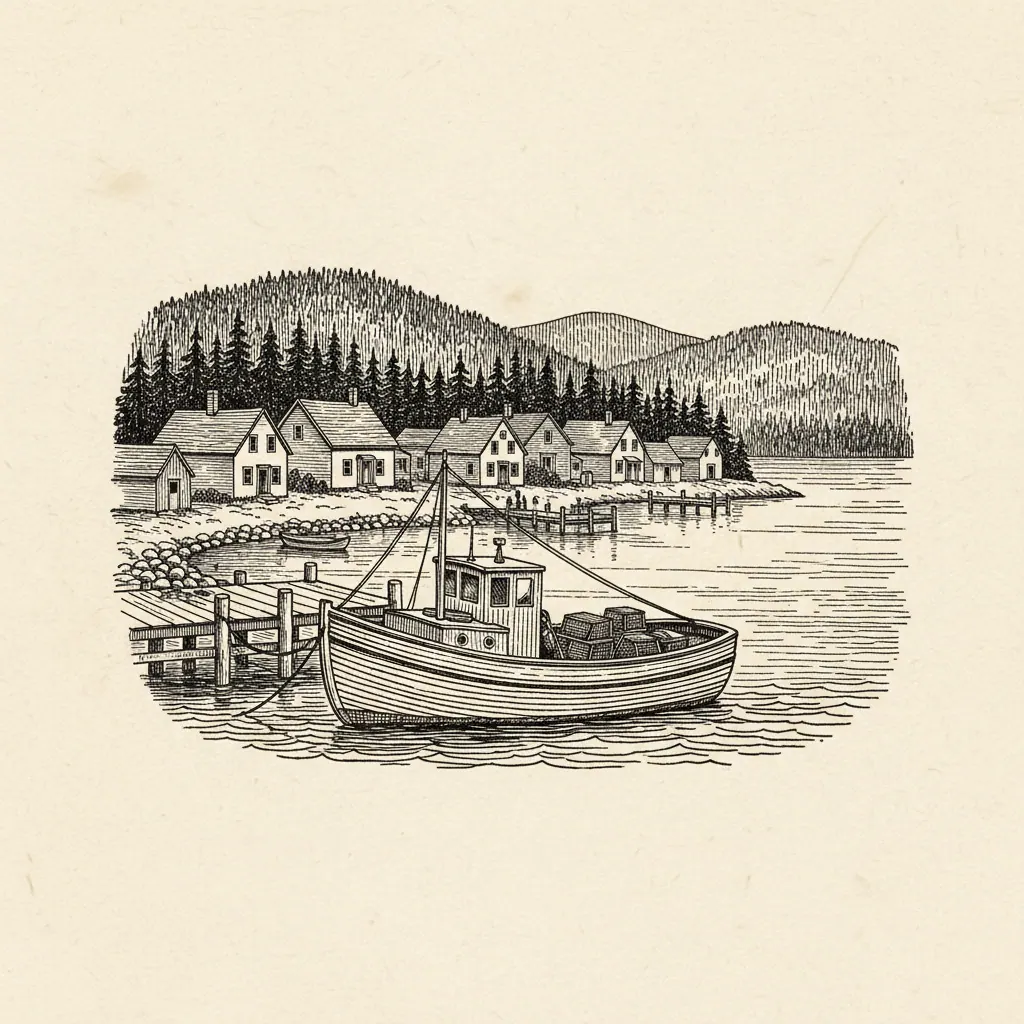
The five MDI villages most visitors miss. Northeast Harbor, Southwest Harbor, Bass Harbor, Seal Cove, Town Hill — each with its own character.
The easternmost town in the United States, population 1,300, where the sun rises before anywhere else in the lower 48. What's still there, where to stay, and how to get there.
The most-photographed lighthouse in Maine. When to shoot, where to stand, and the tide-and-light window that makes the iconic photo possible.
Seventy hotels, inns, B&Bs, and campgrounds in Bar Harbor, organized by trip type. In-town walkable, quieter outside-town, and the camping options.
The 1883 summer hotel that preserves Mount Desert's heritage-lodging tradition. Croquet on the lawn, the central dining room, the Asticou Azalea Garden next door.
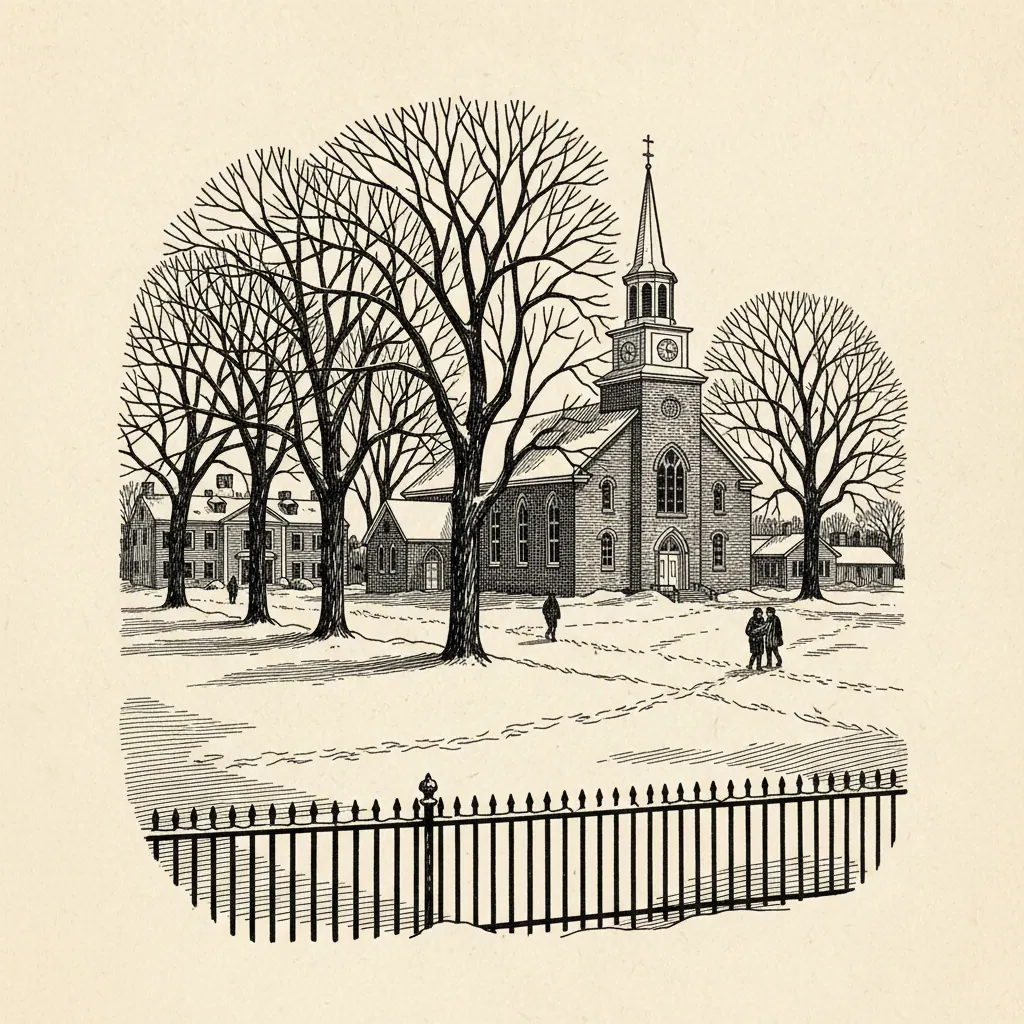
Where Alexander Payne's prep-school movie was actually filmed: five real New England schools, downtown Worcester, and a Fairhaven diner. A driving guide for fans of the film.
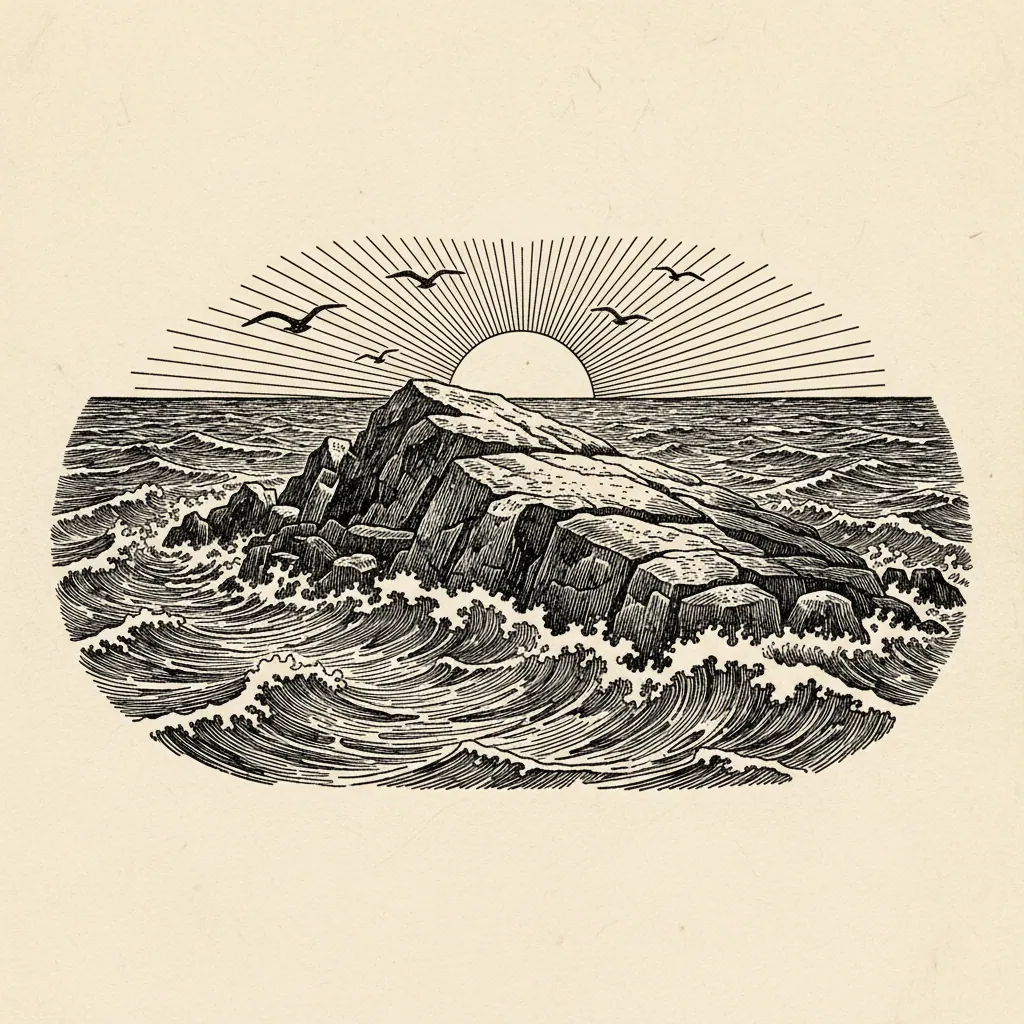
The quiet half of Acadia. Thirty minutes east of Bar Harbor, one-tenth the visitors, the same crashing-surf granite headlands.
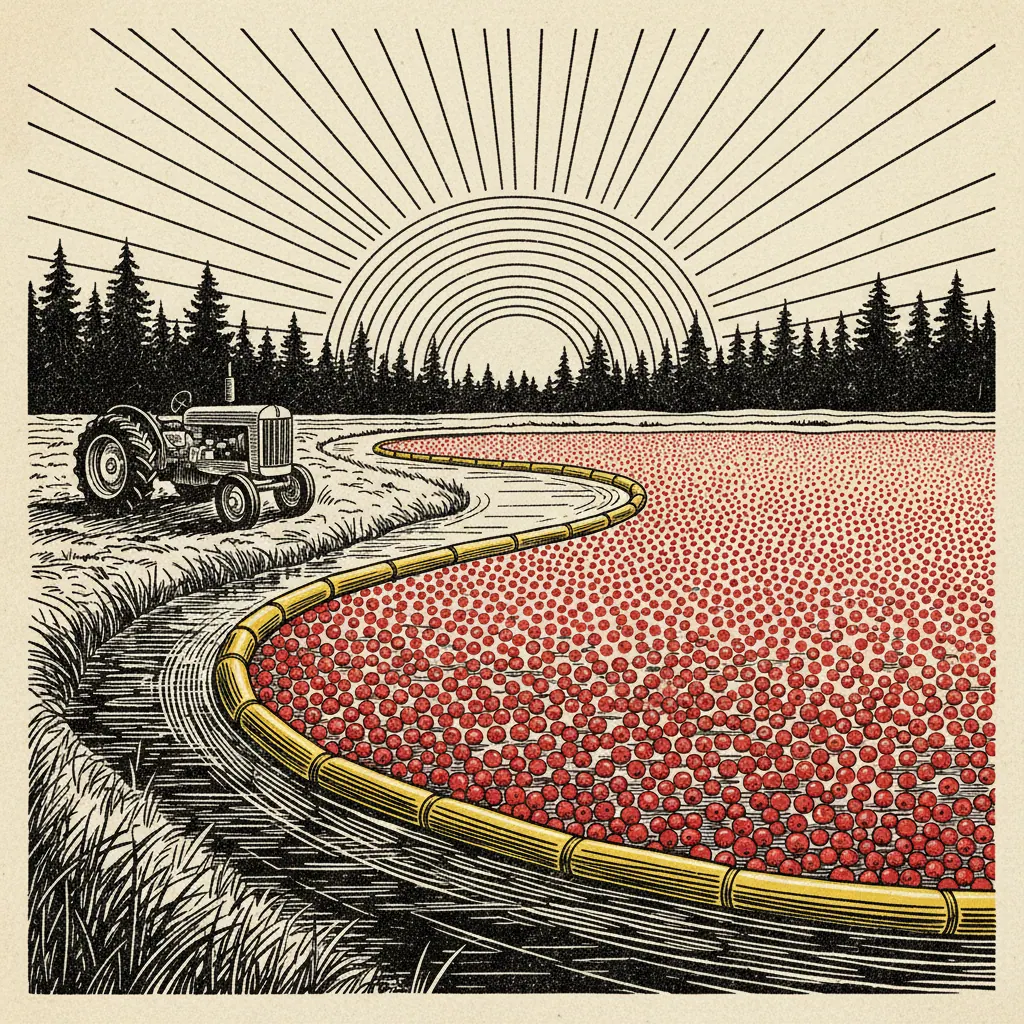
Massachusetts grows a quarter of the U.S. cranberry crop. Six bogs that allow public visits during harvest, the Tihonet Celebration weekend, and where to eat after.
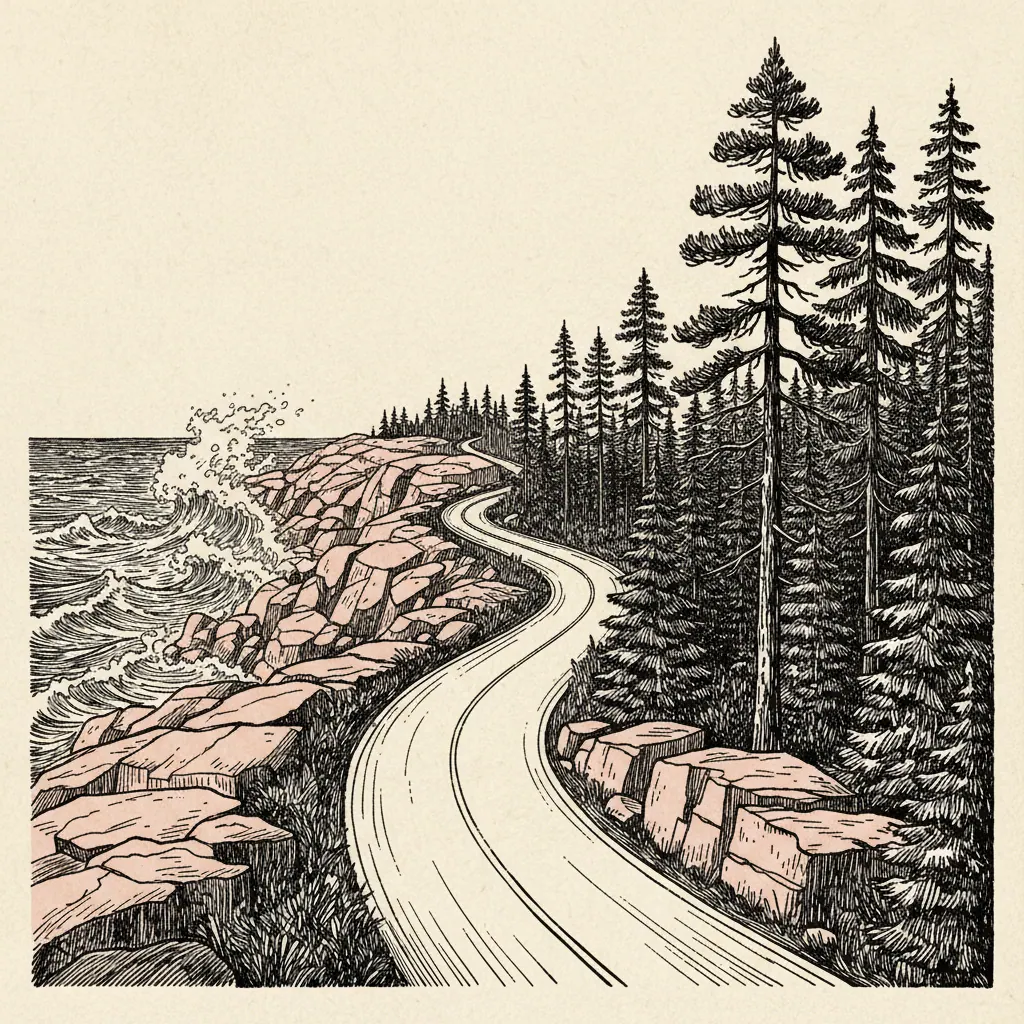
All 27 miles of Acadia's main scenic drive, mile by mile. Sand Beach, Thunder Hole, Otter Cliff, Jordan Pond, the Bubbles, Cadillac Summit Road.
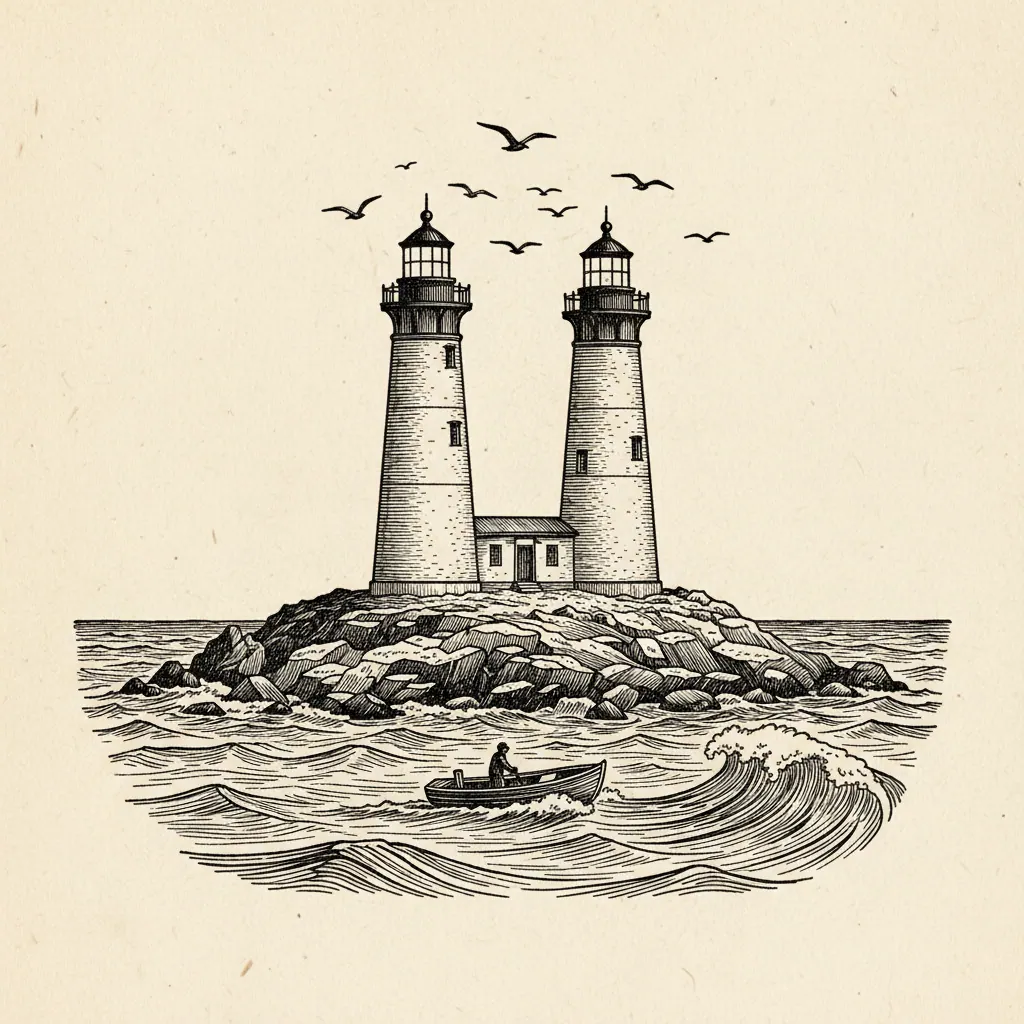
Five working lighthouses inside a 22-mile drive: Eastern Point, Annisquam, Ten Pound Island, Thacher Island Twin Lights, and Straitsmouth. A one-day Cape Ann driving guide.
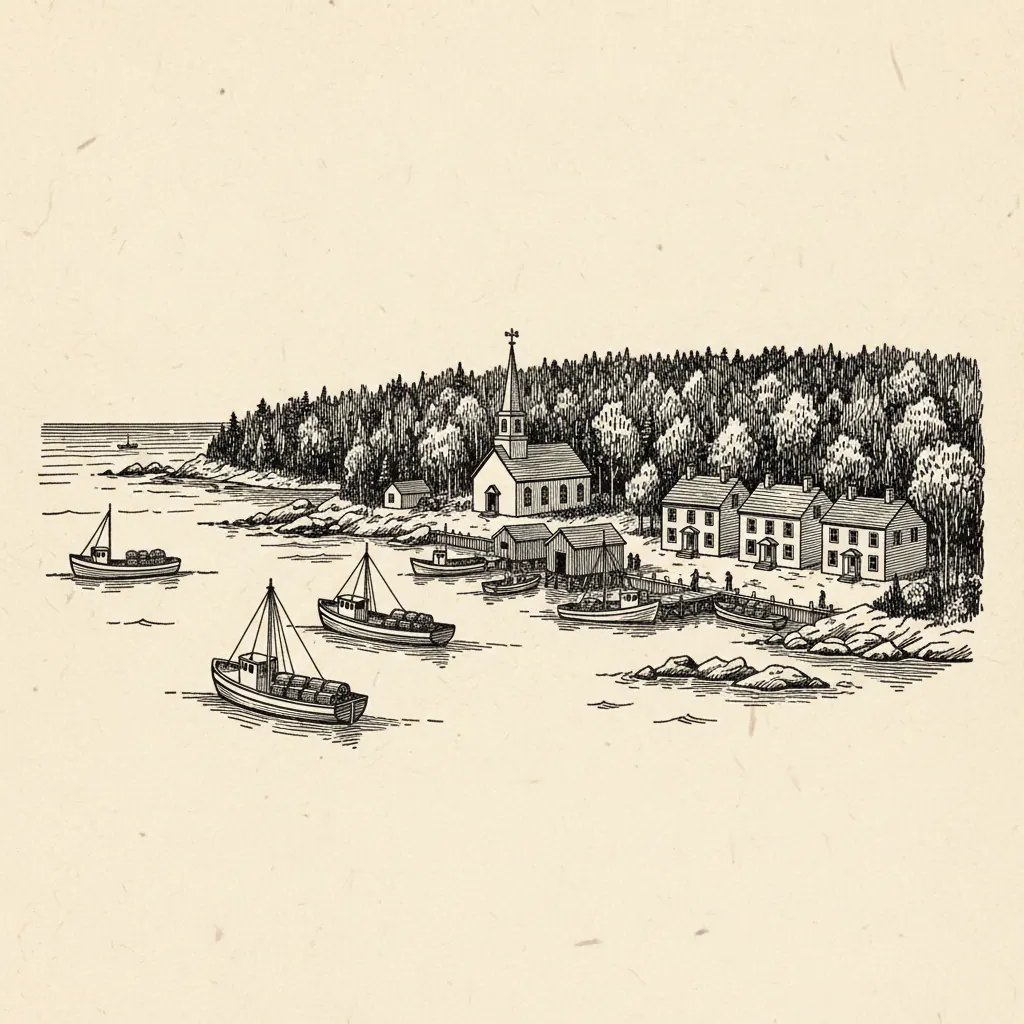
A real Maine relocation map: ten-town shortlist with the data most rankings ignore — heating-cost differential, school reading scores and enrollment trends, and the quiet-Tuesday-in-February test.
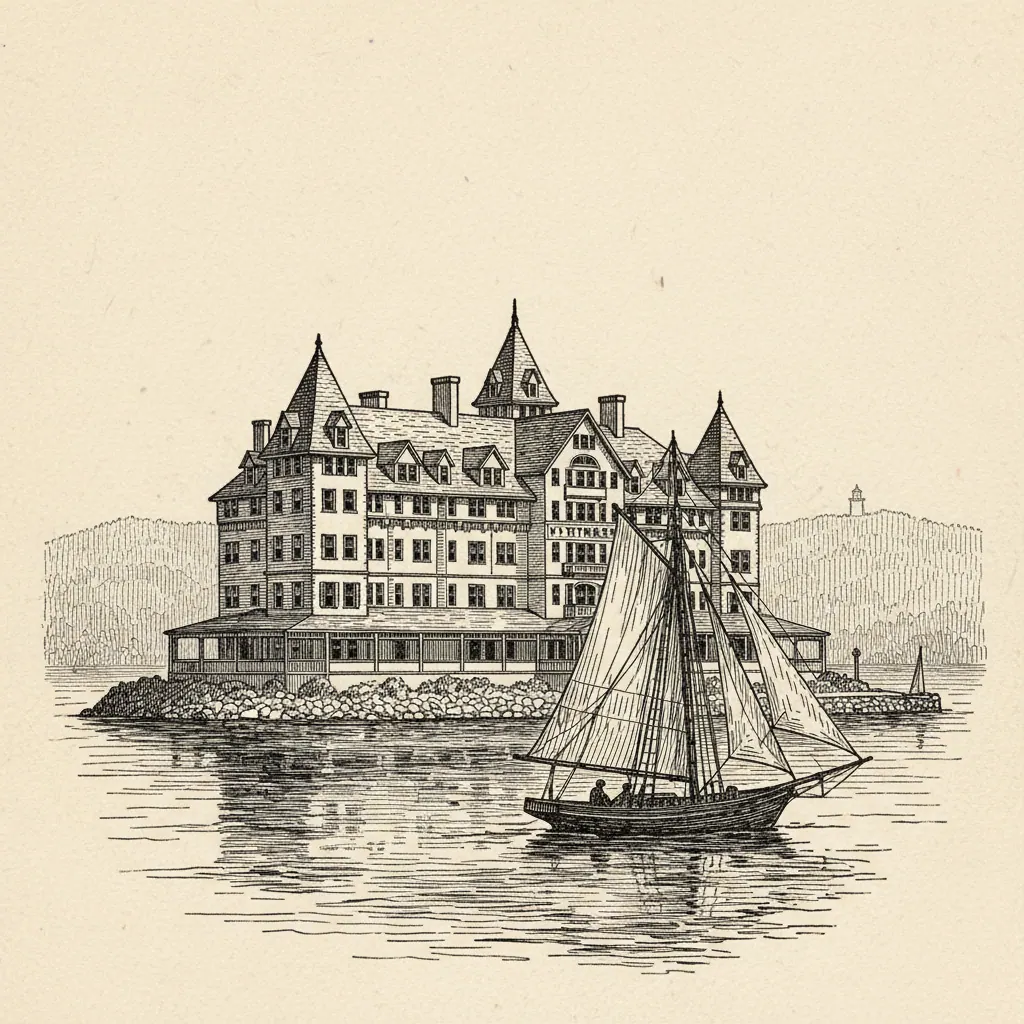
From Bretton Woods to New Castle, three of New Hampshire's surviving grand hotels — what makes each one worth a weekend, told by someone who's stayed.
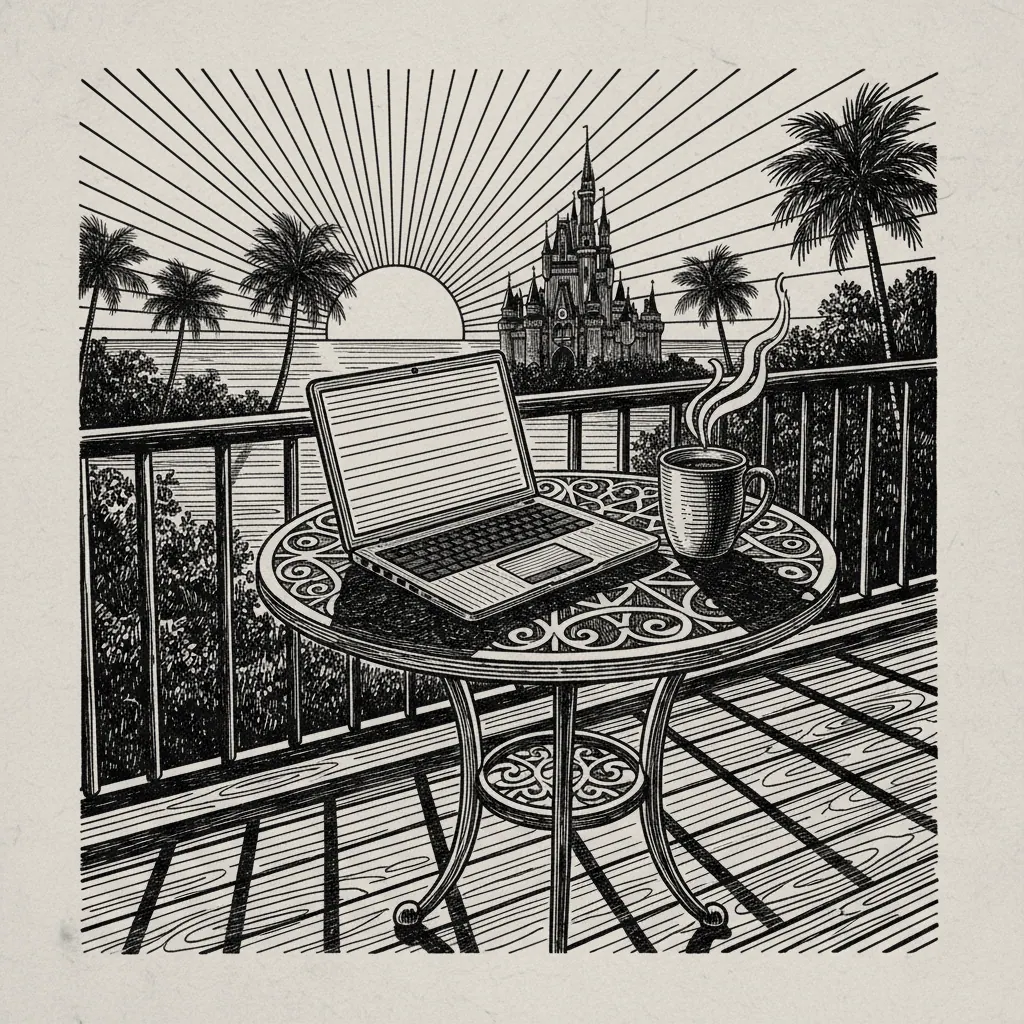
If you're spending a week at Disney with the family anyway, you might as well get some real work done. Here's how my wife and I made it work, from the resort pick to the wifi.