Acadia in Winter: When the Park Goes Quiet
The park goes quiet December through March. Cross-country skiing on the carriage roads, snowshoeing, sub-arctic light on the granite.
Acadia gets four million visitors a year, and almost none of them come in February. The park is open then: quieter, harder, and arguably better for anyone willing to put skis or snowshoes on. The headline numbers tell you the story: peak season packs the Park Loop Road bumper-to-bumper from July through Columbus Day, and then the gate closes on December 1 and most of the island goes to sleep. What’s left is a park that looks the way Acadia looked before it was Acadia: wind off Frenchman Bay, hare tracks across the carriage roads, and a parking lot at Eagle Lake with maybe four cars in it. Going in winter takes more planning than going in August. It also rewards the planning more. Here’s how it works.
What’s Open, What’s Closed: December Through April 14
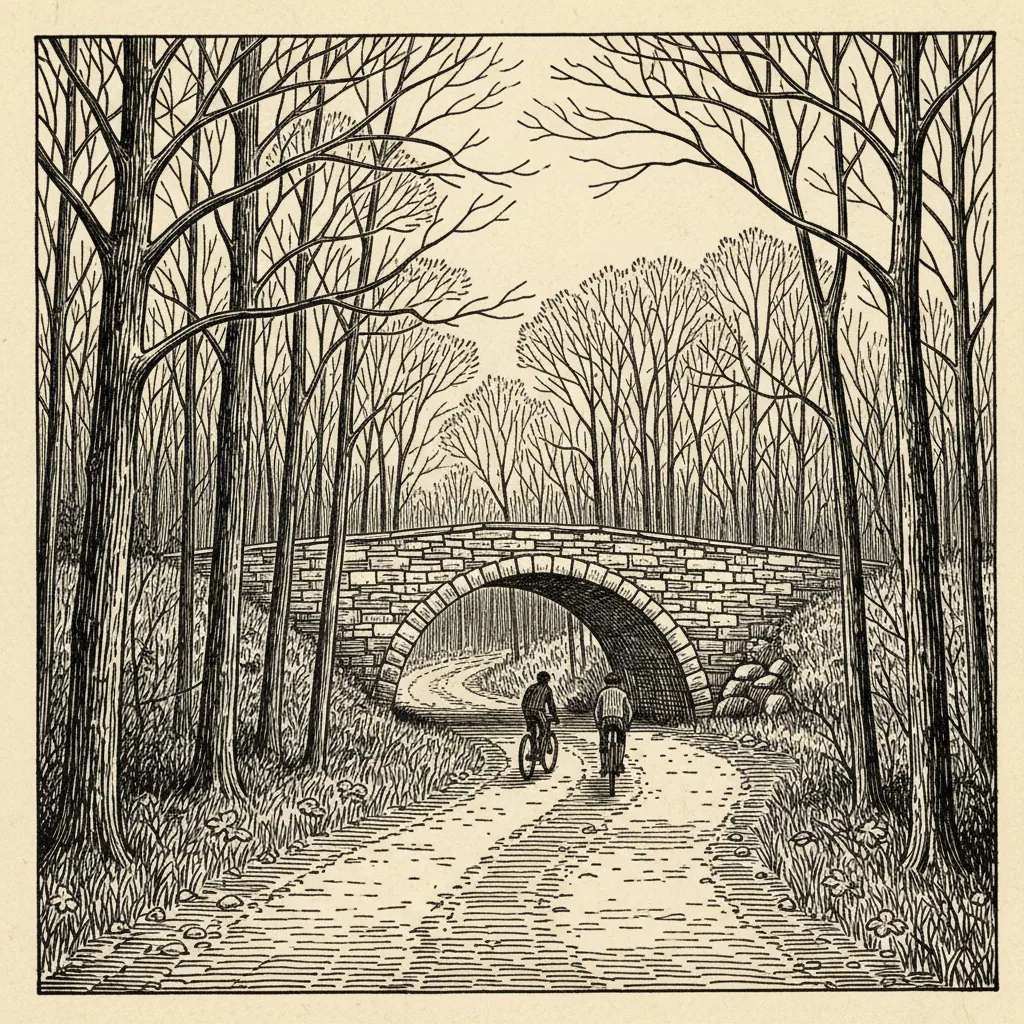
The Park Loop Road closes December 1 and reopens April 15, snow conditions permitting, meaning a heavy April can push that date later. The Cadillac Summit Road closes on the same schedule, so the drive-up sunrise everybody comes for in summer is off the table for four and a half months. What stays open is the 45-mile carriage road network, non-motorized use only, which is the whole point in winter, and the hiking trail system, with a standing winter-conditions advisory from the National Park Service. The Hulls Cove Visitor Center runs reduced winter hours; Jordan Pond House and the in-park concessions are closed entirely until late spring. If you’re picturing popovers on the lawn, that’s a May problem. The MDI Search and Rescue winter advisory is worth reading before you go, not after. The short version: file a plan with someone who isn’t with you, carry traction (microspikes at minimum), and assume you’ll have no cell service on the western half of the island. The eastern side around Bar Harbor is patchy. The Schoodic Peninsula and the western remote sections are dead zones. Rockefeller Jr.’s dime between 1913 and 1940, and the grades he insisted on, never more than seven percent, turn out to be exactly the grades a Nordic skier wants. The network is the best groomed-or-ungroomed XC terrain in coastal New England. Three routes get the attention when conditions allow: the Eagle Lake Loop, the Witch Hole Pond Loop, and Around the Mountain. The Acadia Winter Trails Association’s volunteer ski patrol grooms them when there’s enough snow and enough volunteers: no fixed schedule, no guarantee. Friends of Acadia coordinates the patrol and posts grooming reports as conditions shift. Check before you drive up from Bangor or Portland; a 0°F morning with three inches of refrozen crust is not the day you wanted. There are no ski rentals inside the park. The closest gear is in Bar Harbor or twenty-five minutes inland in Ellsworth, and even those operations run reduced winter inventory. Bring your own skis. Skins are optional on the flatter loops and useful on Around the Mountain. The reliable window is mid-January through late February. December and March are coin-flip seasons; sometimes the carriage roads are bare gravel, sometimes they’re a foot deep. The Friends of Acadia report is the only honest forecast.
Snowshoeing the Trails (And the One Real Climb)
Four inches of consolidated cover is the working minimum for snowshoes to do anything but get in the way. Below that, microspikes on hiking boots is the right call. The gentle introductions are the lower-elevation walks: Jordan Pond Path, the Sand Beach trail, Ocean Path on a low-wind day. These are the routes you take a kid on, or a friend who’s snowshoed twice. Flat, well-defined, hard to get lost on. The iron-rung trails (the Beehive, the Precipice, Jordan Cliffs) are closed in winter. This is non-negotiable and safety-driven; the rungs ice up, the rock turns to glass, and the ledges that are exposure-thrilling in July become genuinely dangerous in February. Don’t try to find a workaround. The serious winter objective in Acadia is Cadillac Mountain via the West Face Trail. Two and a half miles, technical winter footing, exposed scrambling that requires honest route-finding when the cairns are buried. Microspikes are the minimum; crampons earn their weight in icy years. The summit in winter is a place very few people see, and the silence at 1,530 feet on a clear February afternoon is the closest thing to wilderness Acadia offers. The carriage road network doubles as snowshoe terrain when ungroomed sections close to skiers; etiquette is to walk the edges, not down the middle of a set track.
Wildlife: The Reason to Come in February
This is the answer to “why bother.” Summer Acadia is a landscape park; winter Acadia is a wildlife park, and the change is dramatic. Frenchman Bay holds bald eagles from roughly October through March in concentrations you don’t see in summer. The reason is food: the bay stays open through the coldest stretches, the fish are there, and the eagles know it. Stand at the Bar Harbor town pier on a clear cold morning and you’ll see them working the open water. Bring binoculars. Harbor seals overwinter in the coves on the eastern side of the island, often visible from Sand Beach, Otter Point, and the smaller pull-offs along what would be the closed Park Loop Road. They haul out on the ledges in low sun. Snowshoe hare tracks are a constant on the carriage roads. Once you learn the shape (big back feet landing ahead of the small front feet, a leap-pattern, not a walk-pattern), you’ll see them everywhere. The rare bobcat sighting happens in the park’s western remote sections; you’re more likely to find tracks than a cat. Winter birding overlaps with the local Christmas Bird Count run through Maine Audubon. Visiting birders are welcome to log sightings, and the counts are a useful way to plan: the species lists from prior years tell you what’s actually around in late December.
Where to Sleep When Bar Harbor Closes Down
Most Bar Harbor lodging shutters November 1. The two in-town hotels that stay open year-round are the Bar Harbor Inn and the Bar Harbor Grand, both larger properties that can absorb a winter occupancy curve. Rates are lower than summer by a wide margin. Reservations are still wise on the weekend after a snowstorm; the small winter market knows when conditions are right and books accordingly. Acadia Pines Cottages in Winter Harbor, over on the Schoodic Peninsula side, stays open through the winter and puts you on the quieter half of Acadia, with its own carriage-road-style trail network and almost zero traffic. The Schoodic section sees a fraction of the visitation Mount Desert Island gets in any season; in February, “fraction” approaches zero. Ellsworth, twenty-five minutes inland on Route 3, has chain motels open year-round if the in-town options are full or priced out. The trade-off is the morning drive in, which on a snowy day is a real factor. Food is the part most people underestimate. The Bar Harbor restaurant rotation in winter is small (a handful of pubs and one or two of the year-round kitchens) and worth scouting before you arrive rather than figuring out at six on a Saturday night. A grocery stop in Ellsworth on the way in solves more problems than it creates. The park doesn’t reopen the loop road until April 15. Until then, this is what’s there: forty-five miles of empty carriage roads, a frozen lake or two, eagles working open water, and the country’s busiest national park acting like the wilderness it once was. Come back in summer if you want. Come now if you want it to yourself.