Mud Season: The New England Off-Season Nobody Talks About
The fifth New England season nobody promotes. Mud-season geology, the inns that drop 60% in April, and the few places actually worth visiting between snowmelt and bloom.
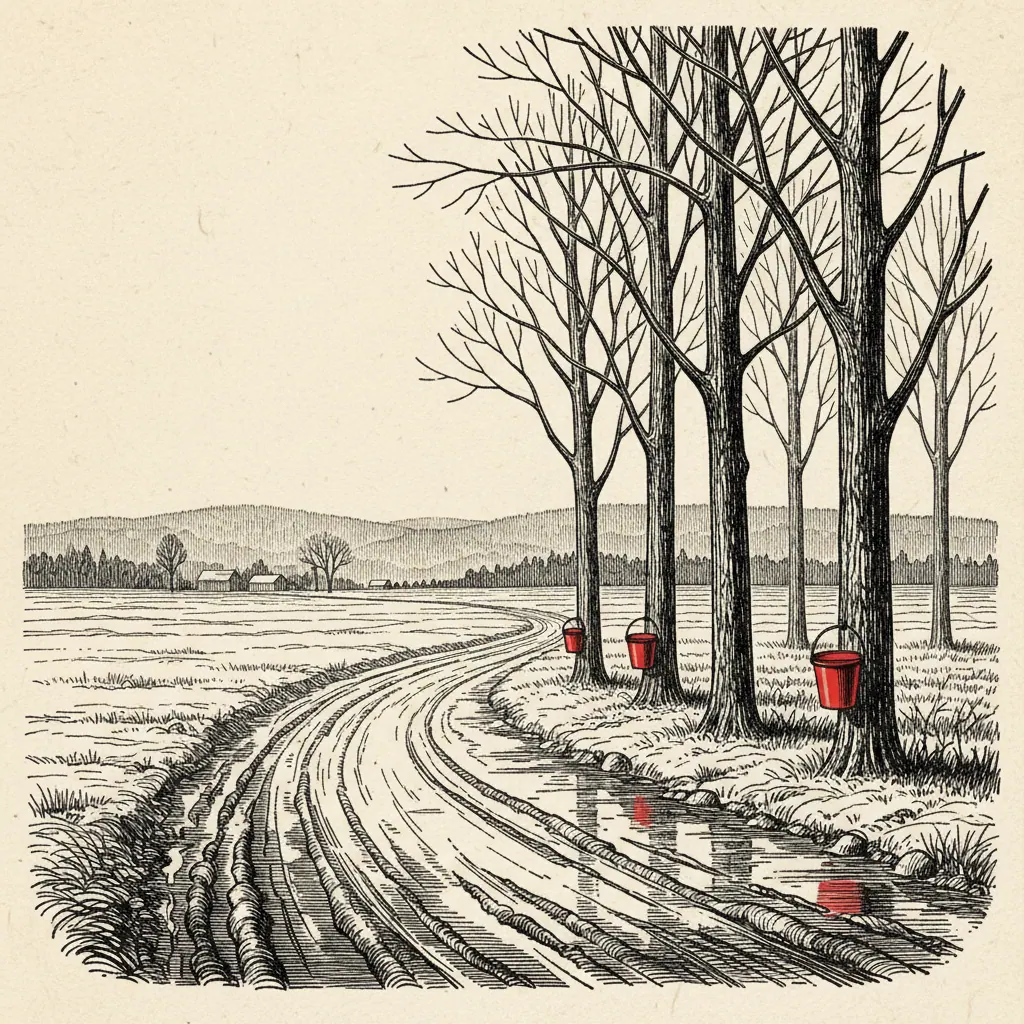
North of Route 2, the calendar has a fifth season the brochures skip. It runs from the third week of March to the second week of May, and locals call it mud. The leaf-peeping maps don’t mention it. The state tourism boards don’t market it. If you grew up south of Worcester, you may have lived your whole life without naming the thing: a wet shoulder of the year that isn’t winter and isn’t spring, when the woods smell like thawed leaf litter and the dirt roads turn to chocolate pudding eight inches deep. It has rules. It has a working calendar. It has a small, stubborn list of things worth doing while the rest of the region waits it out.
When Mud Season Actually Starts
The working dates are roughly March 20 to May 10, north of Route 2. Push that a week earlier in a low-snowpack year, a week later when the Whites still have four feet on the upper trails come April. Elevation matters more than latitude. A hill town in central Vermont at 1,800 feet will be deeper into mud than a coastal town in Down East Maine at the same date. Southern Connecticut barely registers it. The soils drain faster, the frost line is shallower, and by the time the forsythia opens in New Haven the dirt roads in Cornwall are still posted. Cape Cod skips mud season entirely; sand doesn’t do mud. The Northeast Kingdom, on the other hand, lives in it for six weeks. Caledonia and Essex counties have stretches of road that are functionally closed, passable in a truck if you don’t mind the truck, from the first real thaw until late April. The Vermonter line is older than the bumper sticker version: four seasons, almost winter, winter, still winter, and mud. Vermont Life was running variations of the joke as far back as the 1960s. It’s a joke locals tell on themselves, but the calendar is real.
The Geology Underneath
The reason mud season exists, and the reason it persists, is that the Northeast sits on a clay-and-silt subsoil that holds water the way a sponge holds water. Glacial till, mostly. Through the winter, frost drives moisture down through that subsoil and locks it in place. The ground below the frost line stays saturated; the ground above stays frozen solid. Then the thaw arrives, and it arrives top-down. Six inches of frozen mud become twelve inches of impassable goo within a week of overnight lows clearing 32°F. The surface softens, but the layer underneath is still ice, so the meltwater has nowhere to go. It pools in the road grade. Trucks rut it. The ruts fill with more meltwater. By the time the deeper frost finally lets go in late April, the road is a rolling argument between gravel, clay, and gravity. This is why dirt roads in towns like Peacham, Vermont and Sandwich, New Hampshire post weight limits every April. The selectboards aren’t being precious; a loaded oil truck on a softened town road can sink to the axle and tear the roadbed in a way that takes a summer’s grading to fix.
Why Most of the Region Closes
The tourism economy reads the same calendar. Ski resorts wind down by the first weekend of April in most years. Sugarbush and Killington push later if the snowpack holds, but the lifts are typically still by mid-April. Most inns north of the notches drop their rates 40 to 60 percent through May 1. Some close outright. The ones that stay open are running on skeleton staff, midweek-only, or by reservation. The trail systems do something stricter. The Green Mountain Club and the Appalachian Mountain Club publish spring trail-closure lists every year, citing erosion and footbed damage on saturated soils. The closures aren’t suggestions. The Forest Service and the clubs both ask hikers to stay off, and the reason is mechanical, not philosophical: a boot in saturated trail tread cuts a channel that the next rain widens into a gully, and the gully takes a decade of trail crew labor to repair. The shorthand among hikers is simple. If you can leave a footprint deeper than the tread of your boot, you shouldn’t be there.
What Stays Open and Is Worth the Drive
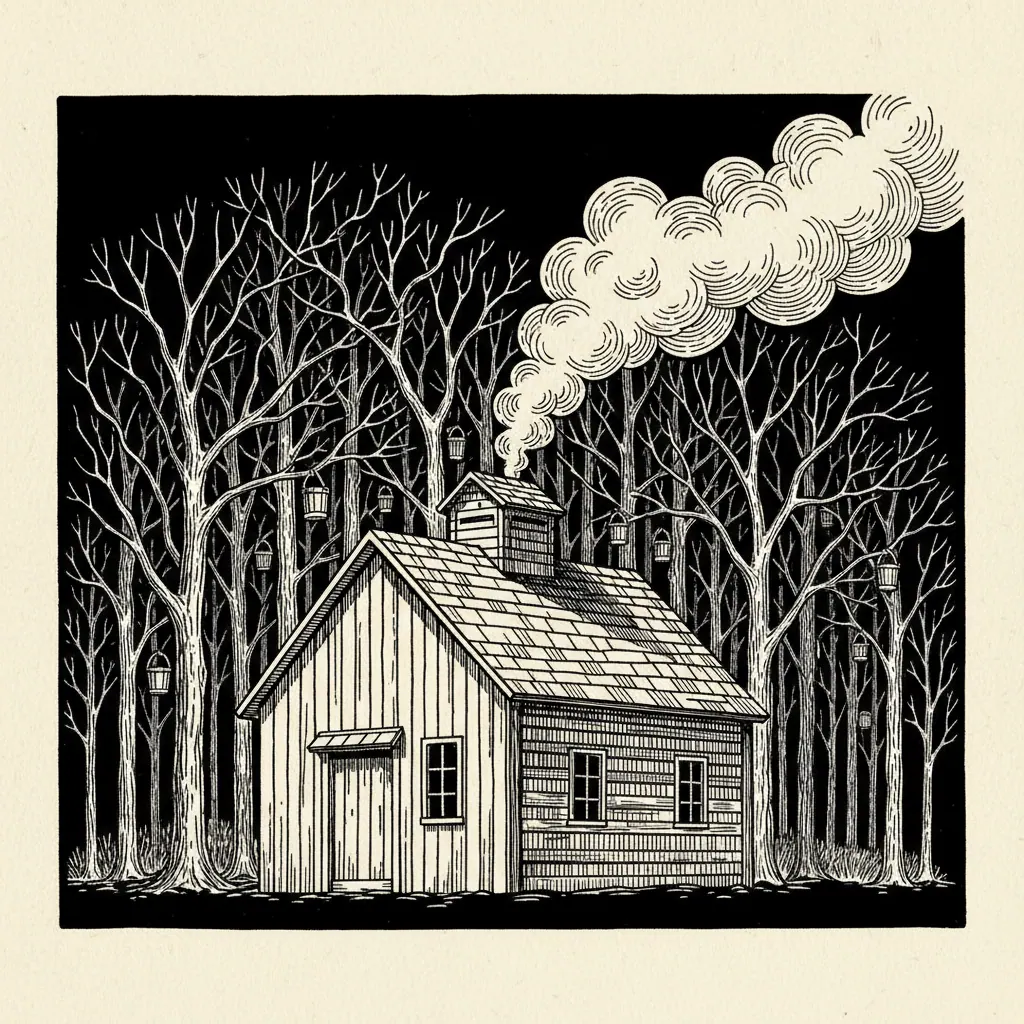
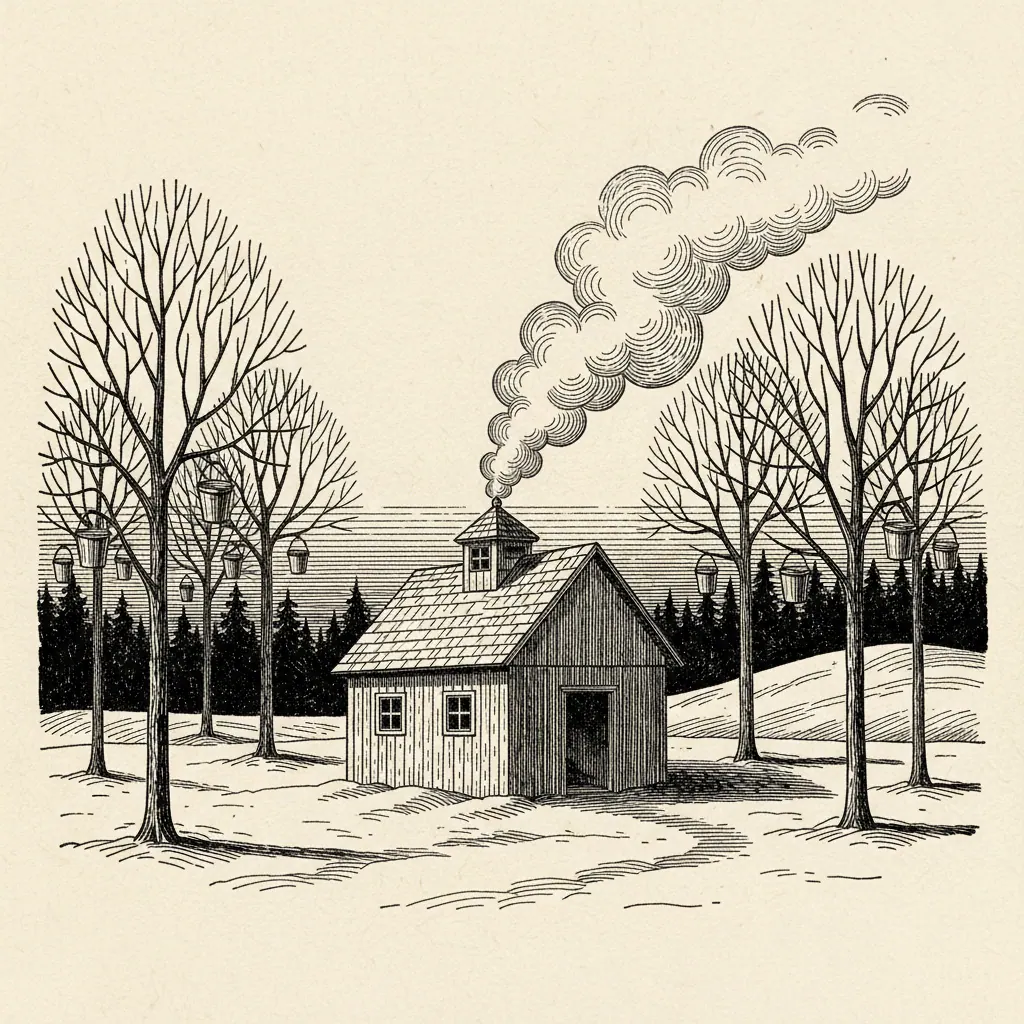
Plenty, if you know where to look. Vermont Maple Open House Weekend lands on the fourth weekend of March, and roughly 100 sugarhouses across the state open the barn doors. You walk in on the boil. The evaporator is running, the steam is filling the eaves, the sugarmaker is pulling samples and grading them on the spot. Sugar on snow, hot syrup poured in ribbons over packed snow until it sets to taffy, is the thing to ask for, with a pickle and a saltine to cut the sweetness, the way it’s been served in Vermont sugar barns for a century. Coastal Maine and Cape Cod begin their April reopenings while the interior is still draining. Wellfleet, Chatham, and Kennebunkport see the first wave: the seafood places that closed Columbus Day weekend start unlatching the doors for weekends only, then six days, then full hours by Memorial Day. The dining rooms are quiet. You can get a table without a wait at places that won’t seat you in July without a two-week reservation. Boston-area greenhouses run their pre-season sales through April. Mahoney’s and Russell’s both move pansies and early perennials at prices the summer customer never sees. And the Mt. Greylock auto road stays gated until late spring, which makes the road itself a quiet walk: six and a half paved miles to the summit, no traffic, the woods just starting to green at the lower elevations.
How Locals Plan Around It
The standing rule north of the notches: no dirt-road driving after a hard rain in April, full stop. If you live on a Class 4 road, you park at the paved end and walk in. If you have a delivery scheduled, you reschedule. The road agent isn’t going to grade it until things firm up, and a single ill-considered trip can leave a rut that the whole road has to drive around for a month. Sugarhouse weekends and town meeting day are the social anchors of the season. Town meeting day in Vermont is the first Tuesday in March, and in many towns it’s still the day the year actually starts: the budget gets argued, the road agent gets re-elected or doesn’t, the snow tires come off in the next two weeks. Everything else gets rescheduled for May. Weddings, town fairs, the first farmers’ markets. You don’t book a barn wedding in Stowe for the third week of April unless you want your guests in knee-high mud at the parking field. The argument for visiting anyway is the same argument for visiting Cape Cod the second week of June. Empty inns. Half-rate rooms. Sugar on snow at the source. The trails you can walk, the lower-elevation rail trails and town forests, where the tread is gravel-bermed and drains fast, are yours alone. You hear ravens and pileated woodpeckers and not much else. The region sounds like itself again, which is the thing the brochures can’t sell because the brochures are selling foliage and Christmas markets. Mud season is what’s underneath. It is the bill for the foliage, paid in advance, in clay. Come up anyway. Bring boots you don’t mind ruining. Stay off the high trails. Find a sugarhouse with the steam pouring out and ask for sugar on snow. The first week of May, the apple trees crack open along the Connecticut River and the whole thing is forgotten until next March.