Made in Maine: A Buying Guide to 25 Heritage Maine Brands
Twenty-five Maine brands still manufacturing in-state, organized by category. L.L. Bean Boots, Thomas Moser furniture, Hinckley Yachts, the working list.
Maine still makes things. Not as a marketing pose, not as a heritage-tourism backdrop, but as a working manufacturing economy: twenty-five-plus brands you can buy today whose factories you could drive to tomorrow on Route 1 or I-95. Some of them are household names. Most aren’t. Almost all of them are smaller than you’d guess, and almost all of them are vulnerable to the same pressure that hollowed out the textile mills of Lewiston and the shoe shops of Auburn: the math of overseas labor, and the temptation for a brand to keep a Maine address while quietly moving production somewhere else. This guide is for the buyer who wants to spend the premium and know what they’re paying for.
How to Read This Guide (and Why Maine HQ ≠ Maine-Made)
The verification problem is real. A brand can keep its Freeport headquarters, its catalog imagery, and its founder’s name on the building while the stitching, the cutting, and the assembly happen in Vietnam, the Dominican Republic, or China. That isn’t always wrong (sometimes the alternative is the brand closing entirely), but it isn’t what the buyer thinks they’re paying for when the price tag carries a Maine premium. The state runs a verification program called Maine Made, administered by the Department of Economic and Community Development, which certifies products actually manufactured in Maine. It’s the closest thing to a single source of truth, and it’s the first place to check before paying the heritage price. Below, brands are organized by category. Where a brand’s production status is mixed, with some lines made in Maine and others imported, the entry says so. Where a brand has moved production out of state, the entry says that too. Price tiers run $ to $$$$ in the rough way you’d expect. Sources cross-checked: the Maine Made registry, Yankee magazine’s annual Maine coverage, brand customer-service confirmations where they were forthcoming, and published interviews with the makers themselves. Manufacturing locations shift. A 2026 verification is not a 2028 guarantee. Re-check before you buy.
Outdoor Gear and Apparel
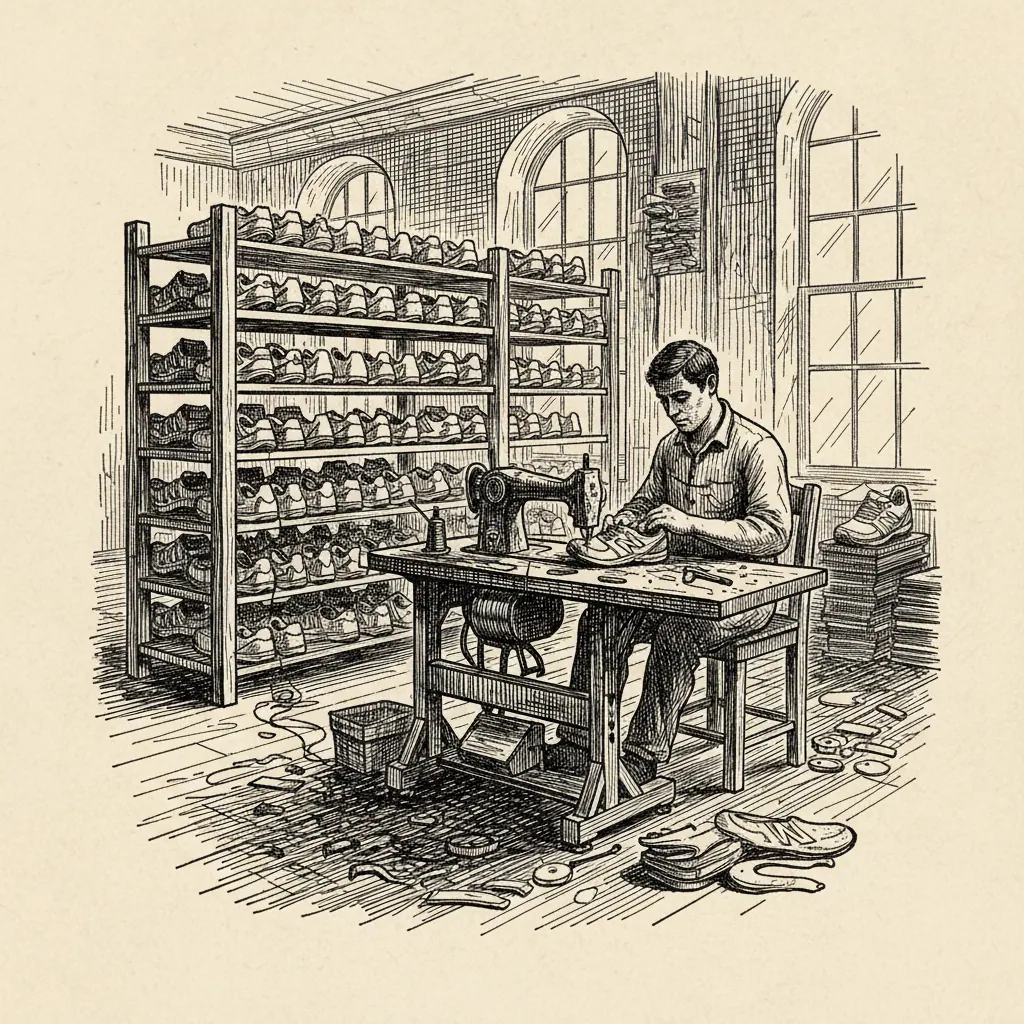
L.L. Bean (Freeport, founded 1912). The flagship product is the Bean Boot, and the Bean Boot is still stitched in Brunswick at Bean’s own facility. The company has been public about this and has expanded the Brunswick operation in the last decade. The rest of the apparel line is largely imported. The buying rule is simple: buy the boot, verify the rest. The Bean Boot is the only product where the Maine premium maps cleanly to Maine production. Sebago (founded in Westbrook, 1946; now part of the Wolverine Worldwide portfolio). The handsewn loafer and boat shoe were Maine-made for decades. Production today is partial at best, and the brand has been reorganized under European ownership in recent years. Treat anything Sebago-branded as imported unless the specific item is verified otherwise. Beyond the two big names, a handful of smaller Maine-sewn outerwear makers are worth knowing by name: small-batch shops working out of single-town facilities, often selling direct. They don’t advertise the way Bean does. They show up at trade shows, in the Maine Made registry, and at places like the Common Ground Country Fair in Unity. Worth the search if you want apparel where the entire supply chain stays in-state.
Knives and Edged Tools
Hubertus (Auburn, founded 1960). Custom hunting knives, mail-order direct from the maker. Small operation, real waiting list, the kind of buy where you order in spring for a fall hunt. Mike Stewart Knives (Camden) and Whetstone Knife Company (Portland) represent the current generation of Maine bladesmiths: younger shops, Instagram-visible, working in the same tradition with modern steels. Both sell direct. A note on Beaver Tail Knives: Maine-made through the 1990s, now produced in Pennsylvania. The brand still trades on the Maine association, but the knives themselves left the state more than twenty years ago. If you want the Maine-made Beaver Tails, the used market (eBay, estate sales, the occasional Brimfield booth) is where they live, and provenance matters. A pre-2000 stamp is the verification.
Furniture, Wood, and Pottery
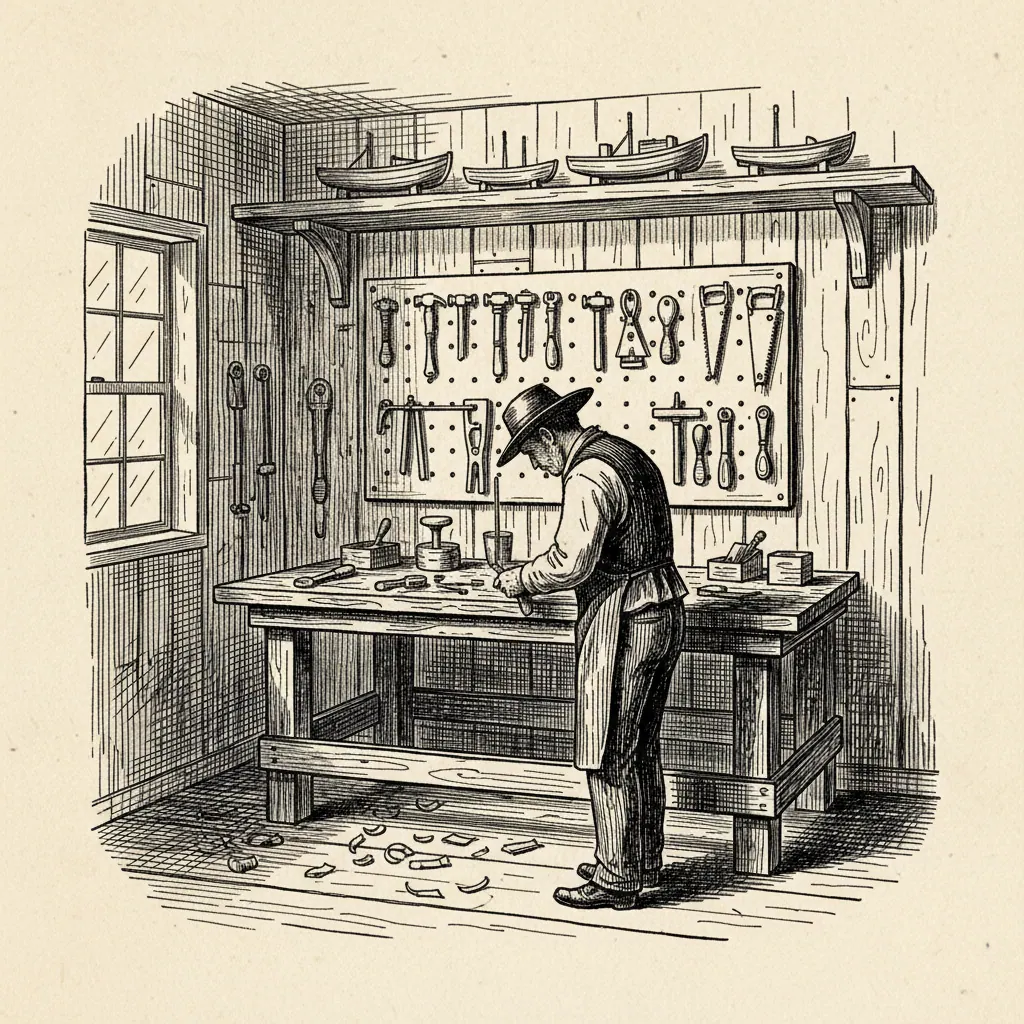
Thomas Moser (Auburn, founded 1972). The most respected New England furniture brand, full stop. Every piece still built in Maine, in the Auburn workshop, by named craftspeople whose initials go on the underside of the chair. Direct showroom in Freeport, mail order anywhere. Generational furniture at generational prices ($$$$). Wood Cellar (Brunswick). Custom doors and windows, builder-direct. The kind of shop you find by asking a contractor, not by Googling. Damariscotta River Pottery. Functional stoneware (mugs, bowls, serving pieces) sold at the studio retail space and direct. Dishwasher-safe, oven-safe, the working pottery you’d expect from a working pottery. The wood-craft economy on the midcoast bleeds into the marine trades, so Brooklin Boat Yard and Hinckley are covered below, but they belong in this category as much as in any other. The skill set is the same: hardwood, hand tools, joinery that holds for fifty years.
Food, Drink, and Marine Trades
Provisions
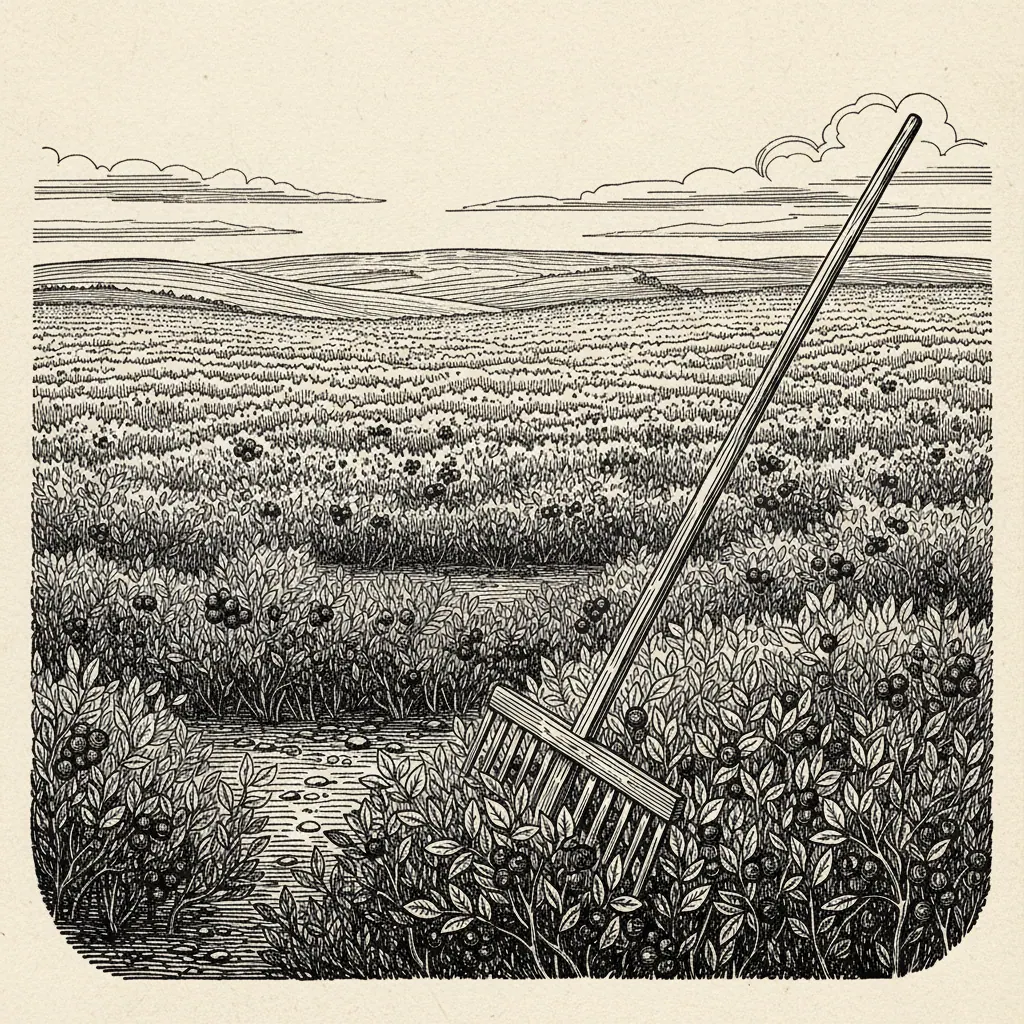
Stonewall Kitchen (York, founded 1991): jams, mustards, sauces, the wedding-registry pantry brand. Production largely still in York, though the catalog has expanded enough that some lines are co-packed; check the label. Fox Family Chips (Penobscot). Kettle-cooked potato chips, family-owned, sold across northern New England. The bag tells you where it was made. Wild Blueberry Heritage products (Columbia Falls and the surrounding Washington County barrens). Wyman’s is the largest name; smaller operations sell jam, syrup, and dried berries direct. Anything labeled “wild blueberry” from Maine is genuinely the wild lowbush variety, not the highbush cultivar: different plant, different flavor, worth the distinction. Coffee By Design (Portland). Roasted in Portland, sold city-wide and direct. The local-roaster-done-right model.
Beer
Allagash (Portland). Still brewed at the Industrial Way facility. The White is the gateway; the Curieux and the wild-fermented sour program are why brewers from elsewhere take Allagash seriously. Atlantic Brewing (Bar Harbor). Brewed on Mount Desert Island, sold across the state. Smaller, less distributed than Allagash, more of a summer-on-the-island brand.
Boatbuilding
Hinckley Yachts (Trenton, founded 1928). Picnic boats and sailboats built at the Trenton yard. The picnic boat is the Hinckley signature: a Downeast hull with a jet drive, instantly recognizable on any New England harbor. Brooklin Boat Yard (Brooklin). Wooden-boat construction and restoration in the tradition that WoodenBoat magazine has been documenting from across the road since 1974. WoodenBoat Magazine and School (Brooklin). Not a manufacturer, but the institution that keeps the wooden-boat trade alive in Maine: week-long summer classes, an apprenticeship pipeline, a magazine that’s been continuously published for over fifty years. Hamilton Marine (Searsport, with additional locations). Marine supplies, the working chandlery for the Maine commercial fishing fleet and for anyone restoring a boat. Family-owned, Maine-based, the place a lobsterman buys traps and rope.
A closing note on revisiting this list. Manufacturing locations shift. A brand that’s Maine-made in 2026 may consolidate to a southern facility by 2028; a brand that left in the 1990s may bring a line back. The Maine Made registry updates annually. Down East and Yankee both run periodic Maine-maker features that catch the changes the registry misses. If you’re spending the premium, re-check the year you spend it. The state still makes things; the work of being a buyer is making sure the things you buy are the things still being made here.