Made in Massachusetts: A Buying Guide to 25 Bay-State Brands That Still Make It Here
Twenty-five Massachusetts brands still made here. New Balance shoes, Sam Adams, Polar Beverages, MIT Press, the working list of Bay-State manufacturers.
Massachusetts ran the most aggressive manufacturing program in 19th-century New England, and a surprising amount of it survived. Not the textile mills at Lowell; those are museums now. Not the shoe factories at Lynn and Brockton, which moved south, then offshore, then mostly disappeared. But underneath the headline collapse, a working tier of brands kept cutting, brewing, printing, and stitching inside state lines, and they’re still at it. This is a guide to twenty-five of them, with a master table at the end, and an honest accounting of what got cut and why.
How This Guide Was Built
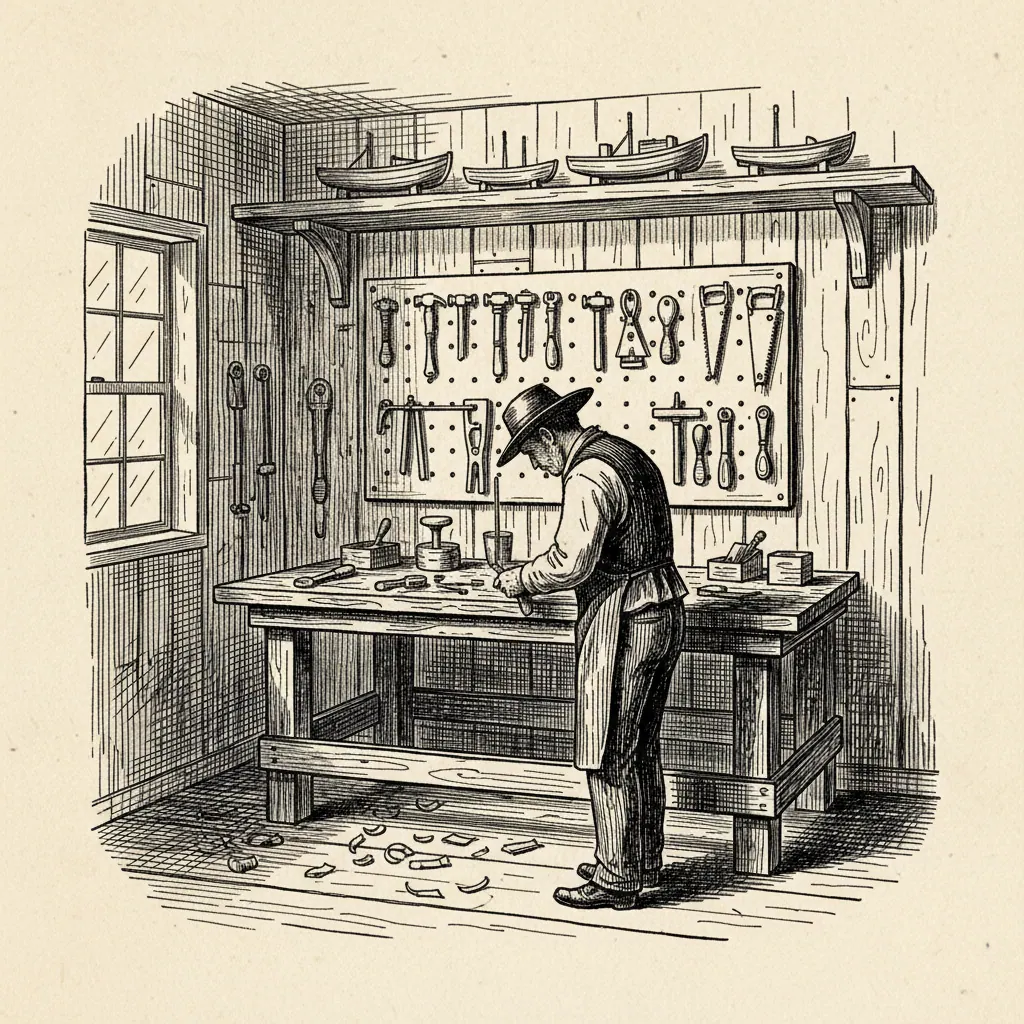
The inclusion rule is simple and strict: a brand has to currently produce at least one SKU inside Massachusetts as of last verification. Being headquartered here doesn’t count. Designing here doesn’t count. Having a flagship store on Newbury Street definitely doesn’t count. The thing that earns a spot on the list is a factory, a brewery, a kitchen, a workshop, or a mill, somewhere in the Commonwealth where the product is actually made. Sources cross-checked for this guide: the Massachusetts Made program directory, the MA Office of Travel and Tourism locally-made listings, and, where ambiguous, direct confirmation with brand customer service. Bell’s Brewery is Michigan, not Massachusetts, despite a rumor that won’t die in Boston bars. Trex composite decking is headquartered in Virginia. Stanley Tools, the hand-tool brand most New Englanders associate with their grandfather’s workbench, is manufactured in New Britain, Connecticut, and has been since 1843; close enough geographically to feel like ours, but not Bay State production. Several boutique apparel labels design in Boston or Cambridge and produce overseas; they don’t qualify here either. The master table at the bottom lists brand, town, year founded, category, price tier, and how to buy.
Apparel, Footwear, and Leather
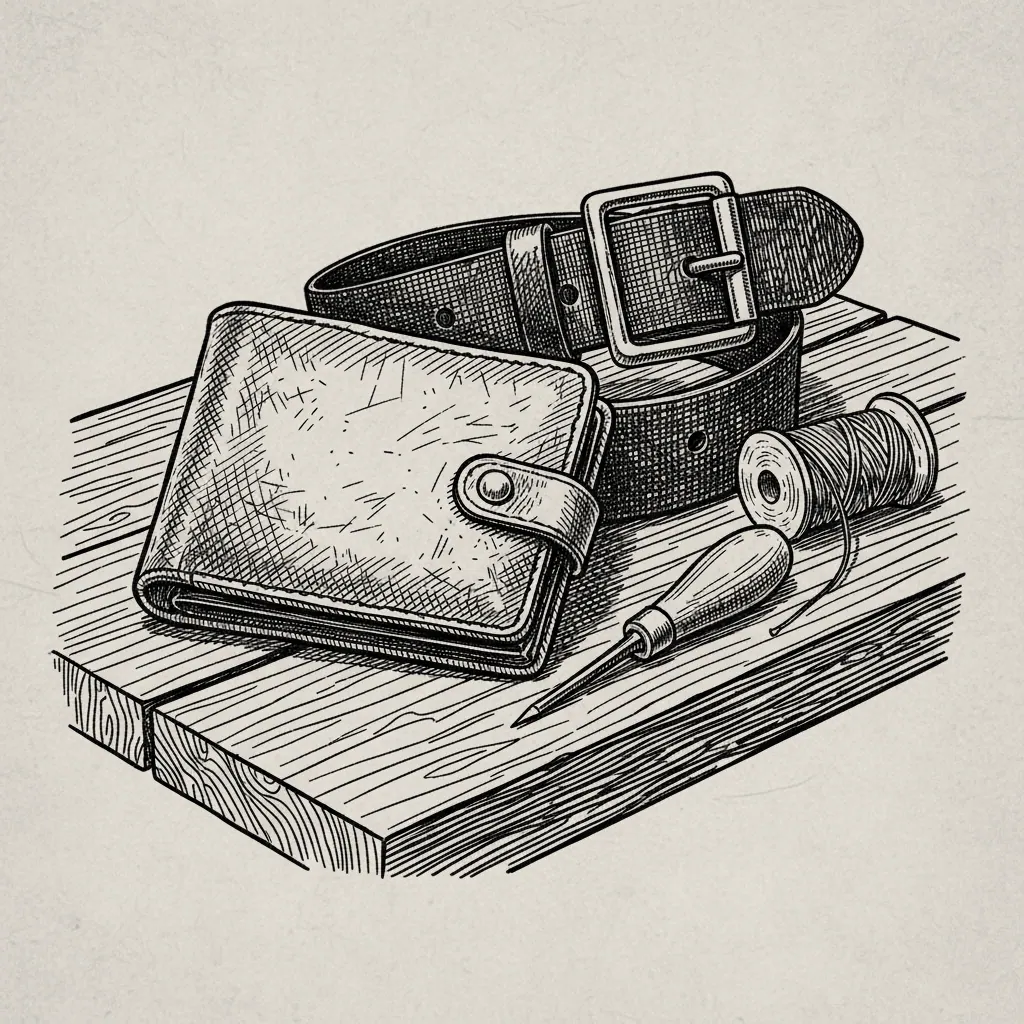
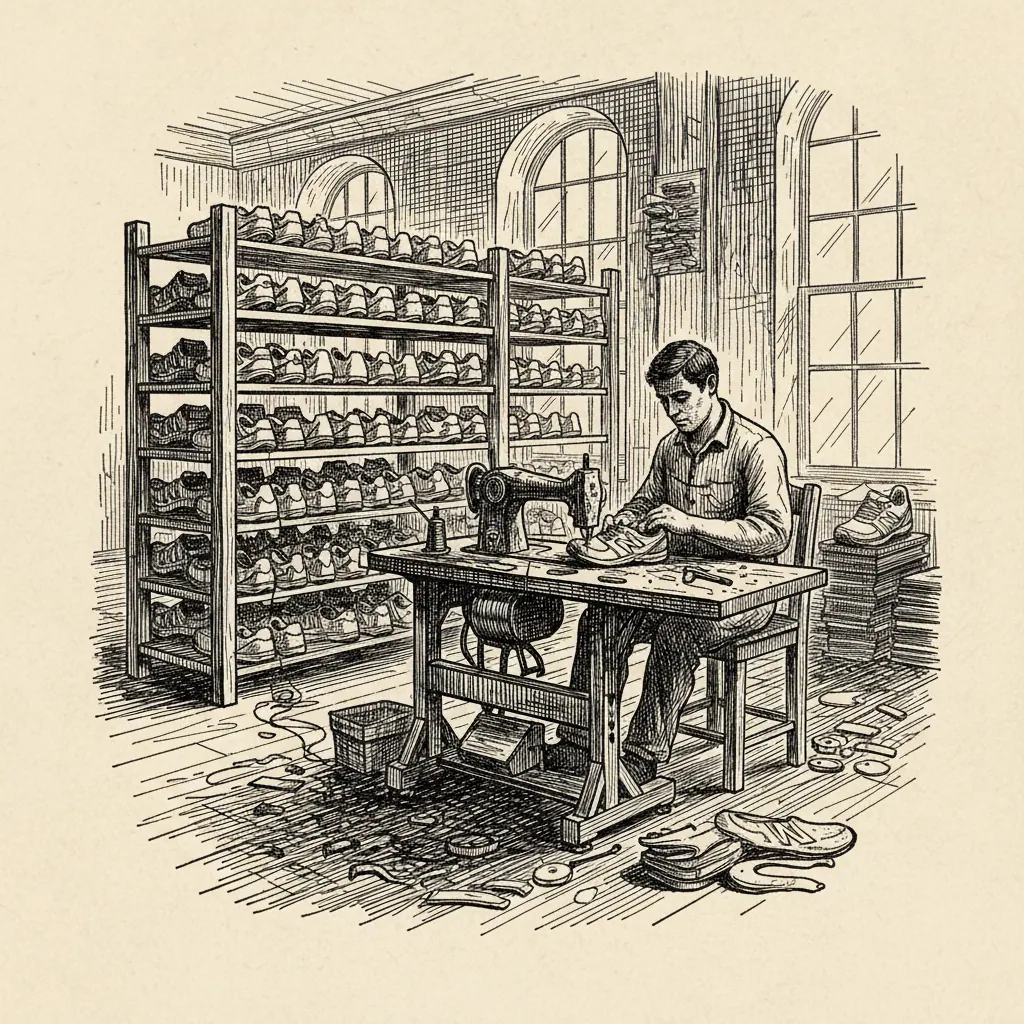
The headline name is New Balance, the only major American athletic shoe brand that still manufactures domestically at meaningful scale. The Made-in-USA 990 line is built in factories in Lawrence and Brighton, and the price tag, meaningfully higher than the imported lines, reflects what it actually costs to put a running shoe together inside a U.S. labor market. American Bench Craft, in Peabody, makes leather goods (wallets, belts, bags) in a single workshop, with hammered rivets and Horween leather and the kind of brass hardware that develops a patina rather than peeling. It’s been covered on this site before. The wallet-and-belt tier is the easiest entry point into Made-in-Massachusetts goods at a price that doesn’t require commitment. Hingham Trunk, on the South Shore, runs a custom leather operation that sells mail-order and through trunk shows. The price ladder runs higher than American Bench Craft, and the goods are correspondingly more bespoke. What got cut from this section: Norse Projects (Danish, despite a Boston flagship), and a handful of Boston-and-Cambridge labels that design locally but produce in Portugal, Vietnam, or China. Designed-here-made-elsewhere is a respectable model. It’s not what this guide is about.
Food and Drink Made Inside the State
The two anchor breweries are Boston Beer Company (Sam Adams, founded 1984) and Harpoon (1986). Both still brew meaningful volume inside Massachusetts: Boston Beer at the Jamaica Plain brewery and a larger production facility, Harpoon at the Seaport. Cape Cod Potato Chips has been kettle-cooking in Hyannis since 1980 and still runs factory tours. Polar Beverages has been bottling seltzer and soft drinks in Worcester since 1882, and a hundred-and-forty-plus years in the same city is the kind of continuity this guide exists to honor. And Marshmallow Fluff, made by Durkee-Mower in Lynn since 1920, is the one Massachusetts food product whose ubiquity (Fluffernutters in every elementary school cafeteria from Maine to Connecticut) belies how genuinely small the operation is. Beyond the anchor names, the regional tier is deep. Cape Cod Beer in Hyannis. Wachusett Brewing in Westminster. Down East Cider in Charlestown. Cape Cod Salt Works in Hyannis. Plymouth Bay Winery on the South Shore. Each of these is a working production facility you can visit, not a label slapped on a contract-brewed product. A distribution note worth stating plainly: Sam Adams, Harpoon, Cape Cod Chips, Polar, and Fluff travel, and you can find them across most of New England and a good chunk of the country. The smaller Cape and central-Mass producers mostly don’t. Down East Cider distributes regionally; Cape Cod Beer is largely a draft-and-cans-on-Cape proposition; Cape Cod Salt Works is mail-order. The price of authenticity at this tier is sometimes a drive or a shipping fee.
Books, Paper, and Print
If you want to understand why Massachusetts is on this list at all, this section is the answer. The book-and-paper trade has barely moved in two hundred years, and three institutions tell the story. Houghton Mifflin Harcourt, headquartered in Boston, is the largest MA-based trade publisher. Production is mixed across multiple printers, but editorial (the actual work of acquiring, editing, and shaping books) remains in-state. MIT Press in Cambridge and Beacon Press in Boston (founded 1854, currently the publishing arm of the Unitarian Universalist Association) are the two scholarly and independent houses with continuous Massachusetts operation through every shift in the publishing economy. Beacon’s catalog alone (James Baldwin, Mary Oliver, the Pentagon Papers) is a Bay State cultural argument all by itself. The deepest root, though, is paper. Crane & Co., founded in 1801, still mills fine cotton paper in Dalton, in the Berkshires. The U.S. Treasury has used Crane stock for currency since the 1870s, and the company’s stationery operation continues to produce wedding invitations, business cards, and writing paper from the same Berkshire mill. Textiles left. Shoes left. Tools mostly left. Paper stayed.
The Master Table and How to Buy
The full table follows below: brand, town, year founded, category, price tier, retail / direct / mail-order, and MA-production verified yes/no with date. Under $25: Fluff, Polar seltzer, Cape Cod Chips, a single Sam Adams or Harpoon six-pack, pantry-tier purchases that put a Made-in-Massachusetts product on the table tonight. $25 to $150: American Bench Craft small leather goods, Crane stationery, a case of Down East, a winery visit. $150 and up: New Balance Made-in-USA running shoes, Hingham Trunk leather work, larger Crane stationery commissions. Where to see a lot of these in one place: the Massachusetts Made program’s retail partners list (updated periodically; check the current directory before driving) and the seasonal Boston Public Market roster, which rotates Massachusetts-produced food and craft brands through its Hanover Street space. What’s missing from this list, and what we’re tracking for the next update: the specialty tooling category, where a few small machine shops in central and western Massachusetts still produce niche goods that don’t yet have consumer-facing distribution; small-batch textile producers, who are slowly returning to former mill cities with very different economics than the originals; and whatever fills the post-Lowell-Tool-Company gap in serious hand tools, which right now is mostly wishful thinking. If you know a producer who belongs on the next version of this guide, the contact form is the right place. The factories that survived Massachusetts’s century of industrial collapse survived for specific reasons: quality, scale, family ownership, an almost stubborn refusal to leave. Buying from them is the cheapest vote you can cast for the next century looking the same.